Dearborn Heights, MI · Wayne County
AC Unit Water Removal in Dearborn Heights, MIEmergency AC Water Removal & AC Leak Water Cleanup
AC Unit Water Removal in Dearborn Heights covers AC leak water cleanup, AC condensate drain clearing and wet AC unit component drying.
Answered 24/7
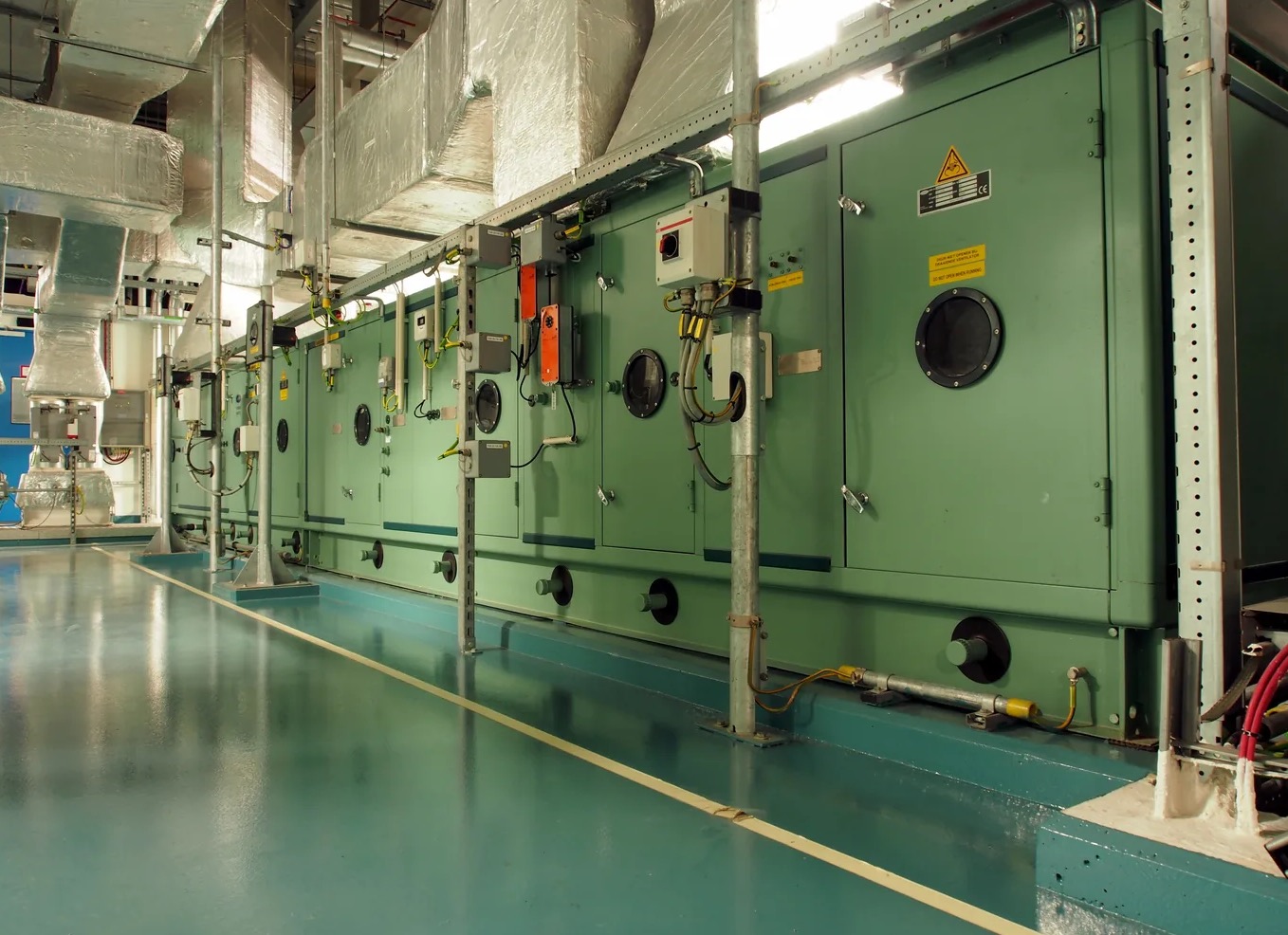
AC Unit Water Removal Near Dearborn Heights: What to Expect
An air conditioner pulls gallons of water out of the air on a hot day. When the drain line clogs or the pan cracks, that water lands on ceilings, walls and floors in Dearborn Heights homes instead of draining outside.
Property owners in Dearborn Heights can call (313) 766-2970 day or night when an air handler starts leaking. Service also covers Garden City, Inkster and Redford, with the same extraction, drain clearing and drying process for attic, closet and garage units in houses, condos and apartments.
The AC Unit Water Removal Process in Dearborn Heights, MI
Emergency AC Water Removal
Fast extraction limits how far the water travels into framing and insulation, and lets drying equipment go in sooner.
AC Leak Water Cleanup
Water from an overflowing air handler is extracted from the floor, closet or mechanical room, then nearby walls are checked with a moisture meter.
AC Drain Pan Water Extraction
A soaked pan in an attic unit is a ceiling leak waiting to happen. Extracting it quickly protects the drywall underneath.
AC Condensate Drain Clearing
A clogged condensate line is the most common reason an AC unit leaks. The pros flush out algae and sludge so condensate drains away again.
Air Conditioner Restoration Services
Work finishes with cleanup and a check that the unit drains properly, so the leak does not return.
How to Know You Need AC Unit Water Removal in Dearborn Heights
Water on the Floor
A puddle around the air handler or furnace closet is the most direct sign of a leak.
Wet AC Unit Components
Damp coils, a wet blower compartment or moisture around wiring inside the cabinet mean water is collecting where it should not.
Musty Odors From Vents
A musty smell when the AC starts often means standing water in the pan or wet insulation in the ducts.
AC Drain Pan Overflow
Water at the rim of the drain pan, or in the secondary pan, means the condensate line is blocked.
How AC Unit Water Removal Works in Dearborn Heights
Step 1: AC Unit Flood Cleanup
Water is extracted quickly to keep it from soaking into insulation, framing and the ceiling below.
Step 2: Drain Line Diagnosis and Clearing
The drain line is inspected for clogs, sags or loose fittings and cleared so water drains outside.
Step 3: Structural and Unit Drying
Air movers and dehumidifiers run around the unit, with daily moisture checks on walls and floors.
Step 4: System Check and Cleanup
The pan is cleaned, the drain is tested with water and the area is left dry.
Frequent Sources of AC Water Damage
Frozen Evaporator Coils Thawing
A coil that freezes from low airflow sheds a large amount of water at once when it thaws.
High Static Pressure in Ducts
Restricted ducts can pull water off the coil and blow it into the cabinet or ductwork.
Dirty Air Filters
A clogged filter cuts airflow, which can freeze the coil and cause overflow when it melts.
Clogged AC Condensation Line
Algae and sludge build up in the drain line over a cooling season until water backs up into the pan.
Expert AC Unit Water Removal for Any Property in Dearborn Heights
Residential AC Unit Water Removal
In apartments and condos, an AC leak can spread through the floor or ceiling to the unit below. Fast extraction limits the spread and the number of neighbors affected.
Commercial AC Unit Water Removal
In restaurants and retail spaces, water near equipment, wiring and walkways is removed first. That reduces slip and electrical hazards while the rest of the area dries.
AC Unit Water Removal vs. DIY: When to Call the Pros
Mopping up a small drip and clearing the drain line with a wet vac is a reasonable DIY step. Call local water damage pros if water reached the ceiling, walls or insulation, or if the leak keeps coming back after you clear the line.
What Affects AC Unit Water Removal Expense in Dearborn Heights
In Dearborn Heights, most of the cost comes from extraction, equipment days and any drywall or insulation that has to be replaced. A walk-through sets the scope before work starts.
Leak Source and Severity
A slow drip near the closet costs less to fix than an attic overflow that soaked a ceiling and the room below.
System Restoration Complexity
Replacing drywall, insulation or trim after drying adds material and labor to the total.
Required Drying Time
Dense materials and enclosed spaces take longer to dry, which means more equipment days.
Does Insurance Cover AC Unit Water Removal?
Photos, moisture readings and a written scope from local water damage pros help support an insurance claim for AC water damage in Dearborn Heights. Keep copies of everything you send your adjuster, along with your own photos.
Advantages of Hiring Local Pros in Dearborn Heights for AC Unit Water Removal
Drain Pan Extraction
Both the main pan and the safety pan are emptied and checked for damage.
Air Conditioner Restoration Focus
Drywall, trim and ceiling repairs can be handled after drying, so one job covers the whole leak.
Leak Source Identification
The pros trace the leak to its source, whether that is a clog, a cracked pan or a failed pump.
24/7 Emergency AC Unit Water Removal Response in Dearborn Heights
Every hour of standing water means more drying later and more materials to replace. Call (313) 766-2970 for AC unit water removal in Dearborn Heights as soon as you see the leak.
Call Now (313) 766-2970Local AC Unit Water Removal Coverage for Dearborn Heights, Garden City, Inkster and Redford
Besides Dearborn Heights, the pros handle AC leaks, wet ceilings and clogged condensate lines in nearby Garden City, Inkster and Redford, day or night.
- AC Unit Water Removal in Garden City
- AC Unit Water Removal in Inkster
- AC Unit Water Removal in Redford
- AC Unit Water Removal in Livonia
- AC Unit Water Removal in Dearborn
- AC Unit Water Removal in Allen Park
- AC Unit Water Removal in Melvindale
- AC Unit Water Removal in Taylor
- Emergency Damage Restoration in 48125
- Storm Damage Restoration in 48125
- Water Damage Restoration in 48125
- Water Extraction Service in 48125
- Water Leak Detection in 48125
- Water Removal Service in 48125
- Emergency Damage Restoration in 48127
- Storm Damage Restoration in 48127
Your AC Unit Water Removal Questions Addressed
Can a wet AC unit be saved after a leak?
Often yes. Components are dried gently and checked, but an HVAC contractor should inspect electrical parts before the unit runs again.
What does emergency AC water removal include?
Shutting off the unit, extracting standing water, clearing the drain and starting drying equipment, at any hour.
Can an AC condensation leak damage the ceiling?
Yes. Attic units leak straight into the drywall below, causing stains, sagging and eventually collapse if left alone.
What is involved in AC unit water removal?
Standing water is extracted, the condensate line is cleared, and wet materials are dried with air movers and dehumidifiers until moisture readings are normal.
How long does drying take after an AC leak?
Often several days, depending on the materials and how long they were wet. Daily readings track progress.