Washington, MI · Macomb County
Antimicrobial Treatment Services in Washington, MIPost Flood Disinfection Services & Emergency Sewage Sanitization
Antimicrobial Treatment Services in Washington include emergency sewage sanitization, kitchen surface disinfection and post flood disinfection services after sewage or flooding.
Answered 24/7
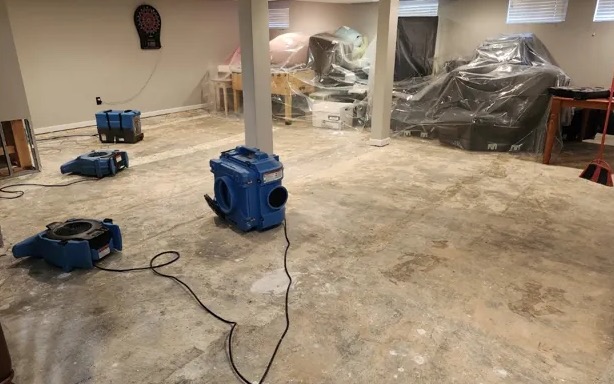
Local Antimicrobial Treatment Pros Serving Washington, Shelby Township, Romeo and Rochester
A leak that sat behind a wall or under a floor in Washington often leaves stained, musty framing once the drywall comes off. That wood can usually stay if it is dried, cleaned and treated.
In Washington, antimicrobial treatment is usually part of a larger water damage job. Local antimicrobial treatment pros serve Washington, Shelby Township, Romeo and Rochester, treating framing, subfloors and hard surfaces once drying is complete.
Antimicrobial Treatment Services Options for Washington Properties
Post Flood Disinfection Services
Hard surfaces that sat in floodwater are washed first, because disinfectants work poorly on dirty surfaces, then treated and left to dry.
Emergency Sewage Sanitization
Sewage and other contaminated water are cleaned up with protective gear, contaminated porous materials are removed, and hard surfaces are disinfected.
HVAC Duct Sanitization
Registers, plenums and reachable duct runs are cleaned and treated so the system does not spread odor through the house.
Bathroom Mold Treatment
Treatment works only if the moisture source is stopped. Leaking fixtures and poor exhaust ventilation are pointed out so the problem does not return.
Mold Remediation Antimicrobial Treatment
After damaged materials are removed and the area is dried, an EPA-registered antimicrobial is applied to framing and subfloor to slow regrowth on surfaces that stay in place.
Indications That Require Antimicrobial Treatment Services
Damp, Humid Feeling in Rooms
A room that always feels damp and clammy needs the moisture fixed before any treatment will last.
Stains Found During Repairs
Dark or damp framing found when opening a wall or floor is a common reason to dry and treat before closing it up.
Peeling Paint or Warped Drywall
Bubbling paint, soft drywall or warped trim show water got into the material, which may need removal before treatment.
Recurring Mold After Cleaning
Spots that come back after cleaning usually mean the material is still wet inside or the leak was never fixed.
How Antimicrobial Treatment Services Work in Washington
Step 1: Emergency Response and Hazard Containment
For sewage or floodwater, the area is closed off and power to wet rooms is checked for safety.
Step 2: Affected Material Removal and Disposal
Contaminated carpet, pad and drywall are bagged and carried out, following local rules for disposing of sewage-soaked materials.
Step 3: Antimicrobial Fogging and Coating
Remaining framing and hard surfaces are treated by spraying, wiping or fogging, depending on the space.
Step 4: Final Sanitization and Walk-Through
Surfaces are wiped down, the area is checked, and the treatment record is shared with you.
Factors Contributing to Surface Sanitizing Issues in Washington
Plumbing Leaks and Pipe Bursts
Leaking supply lines and burst pipes soak walls and floors, and materials that stay wet can start to grow microbes.
Condensation on Cold Surfaces
Warm, humid air condensing on cold pipes, ducts and windows keeps nearby surfaces wet.
Storm Flooding and Natural Disasters
Floodwater carries soil and contaminants into walls, floors and anything it reaches.
Inadequate Drying After Water Damage
Water damage that was mopped up but never fully dried leaves moisture inside walls and under floors.
Both Residential & Commercial Antimicrobial Treatment Services in Washington
Residential Antimicrobial Treatment Services
In houses, the crawl space and the cabinets under sinks are common hidden spots. They are dried and treated even if the rooms above look fine after a leak.
Commercial Antimicrobial Treatment Services
In larger buildings, ductwork and ceiling cavities can spread odor from one wet area to many rooms. Those spaces are checked and treated as part of the job.
Antimicrobial Treatment Services vs. DIY: When to Call the Pros
Running a dehumidifier and fixing a leaky fixture are good DIY steps. If a musty smell remains after a week, there is likely hidden moisture that needs to be found with meters.
Understanding Antimicrobial Treatment Services Expenses in Washington
Pricing for antimicrobial treatment services in Washington is set after an inspection. The pros check moisture, look at the damage and explain what will be treated before starting.
Odor Elimination Needs
Lingering odor may need extra cleaning or deodorizing steps beyond the antimicrobial.
Affected Square Footage
Larger treated areas need more product, more cleaning time and more labor.
Access and Containment
Crawl spaces, attics and ductwork take longer to reach and may need containment.
Does Insurance Cover Antimicrobial Treatment Services?
Insurers often ask how long materials were wet. Records showing when the leak started, when it was found and when drying finished help answer that question clearly.
Advantages of Local Pros for Antimicrobial Treatment Services in Washington
Focus on Mold Prevention
Treatment is paired with fixing the moisture source, so mold is less likely to return.
Surface and Air Treatment
Hard surfaces are cleaned and disinfected, and air scrubbers can be used while work is under way.
24/7 Emergency Response
Help is available day or night for sewage backups and other contaminated water.
24/7 Emergency Antimicrobial Treatment Services in Washington
Do not wait for stains to spread after a flood. Call (313) 766-2970 for cleaning, disinfection and antimicrobial treatment services in Washington once the water is out.
Call Now (313) 766-2970Antimicrobial Treatment Services Near Washington: Areas Served
Need antimicrobial treatment services outside Washington? Service also covers Shelby Township, Romeo and Rochester, with emergency help for sewage backups.
- Antimicrobial Treatment Services in Shelby Township
- Antimicrobial Treatment Services in Romeo
- Antimicrobial Treatment Services in Rochester
- Antimicrobial Treatment Services in Armada
- Antimicrobial Treatment Services in Sterling Heights
- Antimicrobial Treatment Services in Macomb
- Antimicrobial Treatment Services in Lake Orion
- Antimicrobial Treatment Services in New Haven
- Emergency Damage Restoration in 48094
- Storm Damage Restoration in 48094
- Water Damage Restoration in 48094
- Water Extraction Service in 48094
- Water Leak Detection in 48094
- Water Removal Service in 48094
- Emergency Damage Restoration in 48095
- Storm Damage Restoration in 48095
Common Antimicrobial Treatment Services Questions Answered
Can I stay home during antimicrobial treatment?
Usually yes, but keep out of treated rooms until the product dries and the label re-entry time has passed.
What records do local antimicrobial treatment pros provide for insurance claims?
Photos, moisture readings, the products used and a list of removed and treated materials, with the dates of each step.
Is kitchen surface disinfection different from regular cleaning?
Yes. Surfaces that touched dirty water are cleaned and then disinfected with a product suited to food-prep areas.
How does bathroom mold treatment deal with hidden moisture?
The leak behind the tub, toilet or shower is found and fixed first, then wet materials are dried or replaced before treatment.
Why is emergency sewage sanitization different from regular cleaning?
Sewage and contaminated water carry bacteria and other contaminants, so they need protective gear, containment and disinfection, not just drying.