Ann Arbor, MI · Washtenaw County
Attic Water Damage Restoration in Ann Arbor, MIRoof Leak Water Removal & Ceiling Water Damage Cleanup
Attic Water Damage Restoration in Ann Arbor runs from roof leak water removal and attic leak water cleanup to attic drying services.
Answered 24/7
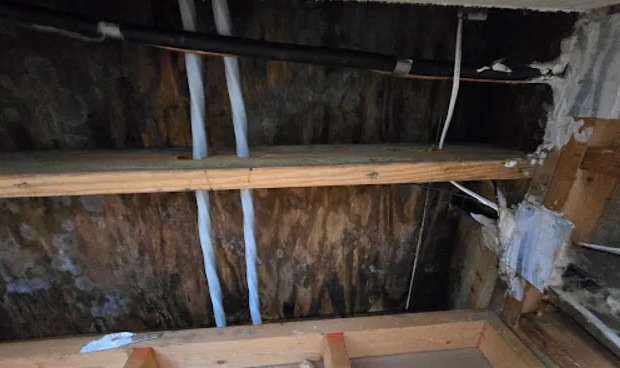
Professional Attic Water Damage Restoration in Ann Arbor, MI
In Ann Arbor, attics get hot in summer and damp in cooler months. That cycle matters after a leak: heat can speed drying, but poor ventilation can trap moisture and keep wood damp.
A storm leak in Ann Arbor can soak attic insulation in one night. Local water removal experts serve Ann Arbor and nearby Ypsilanti, Dexter and Saline, with help available around the clock.
Comprehensive Attic Water Damage Restoration for Ann Arbor
Roof Leak Water Removal
A tarp can be placed over the damaged roof section to stop more rain from getting in while drying begins below.
Ceiling Water Damage Cleanup
Damaged ceiling drywall below the attic is removed, the cavity is dried, and the ceiling is ready for patching once readings are normal.
Attic Leak Water Cleanup
After a leak, the attic is checked from the roof deck down to the ceiling below, and all standing water and soaked debris are taken out.
Attic Mold Prevention
After drying, an antimicrobial can be applied to roof decking and framing that were wet, to slow mold on surfaces that stay in place.
Wet Attic Insulation Removal
Blown-in insulation that got wet clumps and packs down. It is vacuumed out of the affected area and replaced after the attic is dry.
Signs of Attic Water Damage in Ann Arbor Homes
Crumbling Drywall Tape
Ceiling drywall tape that bubbles, cracks or peels usually means water is soaking the seams.
Sagging or Bowed Roof Decking
Roof decking that sags or bows between rafters may be soaked or starting to rot.
Musty Odors in Home
A musty or damp smell on the upper floor can point to wet insulation or wood in the attic.
Wet or Sagging Insulation
Insulation that looks matted, dark or compressed, or sags between joists, has absorbed water.
How Attic Water Damage Restoration Works in Ann Arbor
Step 1: First Call and Inspection
The pros check the attic and ceiling, take photos and note where the water entered the attic.
Step 2: Bulk Water and Debris Removal
Standing water, wet insulation and fallen drywall are removed from the attic and room below.
Step 3: Drying and Monitoring
Readings are taken daily, and equipment is adjusted until every wet material is dry.
Step 4: Detailed Reporting for Insurance
A summary of the damage, the materials removed and the drying results is prepared for your claim.
What Causes Attic Water Damage in Ann Arbor?
Failing Roof Valley or Flashing
Worn flashing around valleys, chimneys and skylights lets water run into the attic.
Overflow From Bathroom Exhaust Fans
Bathroom fans that vent into the attic, or have disconnected ducts, release moisture onto the decking.
Burst or Leaking Plumbing Pipes
Supply lines and water heaters in the attic can leak or burst directly onto the ceiling.
Ice Dam Formation on Roof
Ice dams at the roof edge force melting snow back under the shingles and into the attic.
Residential and Commercial Attic Water Damage Restoration in Ann Arbor
Residential Attic Water Damage Restoration
Homeowners often store boxes and holiday items in the attic. Wet belongings are moved out and dried or discarded before work on the insulation and framing starts.
Commercial Attic Water Damage Restoration
Offices and stores with roof leaks need the area below protected during work. Drying is planned around business hours where possible to keep the space open.
When Attic Water Removal Requires Local Pros
If a ceiling is bulging with water, do not stand under it. Place a bucket nearby, keep people away and call local water removal experts to drain and remove it safely.
Cost Considerations for Attic Water Damage Restoration Work
Tight attic access, after-hours calls and ceiling drywall replacement all add to the total for attic water damage restoration in Ann Arbor.
Type of Water Involved
Clean rainwater is simpler to handle than water from a drain or a contaminated source.
Required Drying Time
Dense wood framing can take several days to dry, adding equipment time.
Duration Before Response
A leak found right away costs less to fix than one that soaked the attic for weeks.
Does Insurance Cover Attic Water Damage Restoration?
Take photos of the ceiling, the attic and any storm damage on the roof before cleanup starts. Keep receipts for tarping and emergency drying.
Why Choose Local Pros for Attic Water Damage Restoration in Ann Arbor
Wet Insulation Handling
Wet insulation is bagged and removed carefully, keeping debris out of the living space.
24/7 Emergency Response
Help is available day or night when rain or a burst pipe is pouring water into the attic.
Ceiling Damage Mitigation
Sagging ceiling drywall is drained and removed safely before it can fall.
Urgent Attic Water Damage Restoration Help Day or Night
A wet attic soaks the ceiling below within hours. Call (313) 766-2970 for attic water damage restoration in Ann Arbor at any time of the day or night.
Call Now (313) 766-2970Providing Attic Water Damage Restoration to Surrounding Communities
Nearby areas served for attic water damage restoration include Ypsilanti, Dexter and Saline, with the same attic inspection and drying process used in Ann Arbor.
- Attic Water Damage Restoration in Ypsilanti
- Attic Water Damage Restoration in Dexter
- Attic Water Damage Restoration in Saline
- Attic Water Damage Restoration in Whitmore Lake
- Attic Water Damage Restoration in South Lyon
- Attic Water Damage Restoration in Milan
- Attic Water Damage Restoration in Chelsea
- Attic Water Damage Restoration in Pinckney
- Emergency Damage Restoration in 48103
- Storm Damage Restoration in 48103
- Water Damage Restoration in 48103
- Water Extraction Service in 48103
- Water Leak Detection in 48103
- Water Removal Service in 48103
- Emergency Damage Restoration in 48104
- Storm Damage Restoration in 48104
Attic Water Damage Restoration FAQs
What are the first steps after finding attic water damage?
Catch active drips, move belongings out of the room below, keep away from sagging ceilings and call for an inspection and water removal.
How is attic water damage documented?
With photos of the leak point and damage, moisture readings, a list of removed materials and daily drying logs.
Does a roof leak always cause attic mold growth?
No. Mold is more likely when wood and insulation stay wet for days, so drying is the main way to prevent it.
What is involved in emergency attic water extraction?
Catching active drips, removing pooled water from decking and drywall tops, and starting drying before the ceiling below is ruined.
What causes attic leaks besides storms?
Worn flashing, clogged gutters, attic AC overflows, plumbing leaks and bathroom fans venting into the attic.