Eastpointe, MI · Macomb County
Attic Water Removal in Eastpointe, MIAttic Moisture Inspection & Roof Leak Water Removal
Attic Water Removal in Eastpointe runs from roof leak water removal and wet attic insulation removal to ceiling water damage cleanup.
Answered 24/7
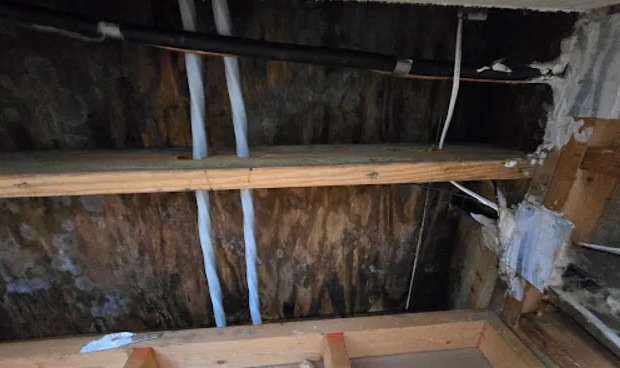
Attic Water Removal Services for Eastpointe Homes
Attic Water Removal in Eastpointe covers both the attic and the room below. Water rarely stays on the attic floor; it soaks the ceiling and sometimes runs down the walls.
Homes in Eastpointe and nearby Roseville, Warren and St. Clair Shores often have AC units, ducts and plumbing in the attic, as well as insulation. The pros handle water from any of those sources, plus roof leaks after storms.
Detailed Attic Water Removal Solutions
Attic Moisture Inspection
The inspection shows the full spread of the leak, so every wet area is either dried or removed.
Roof Leak Water Removal
The entry point is photographed and marked, which helps both the roofer and your insurance adjuster.
Wet Attic Insulation Removal
Fiberglass batts are lifted out by hand, while wet blown-in insulation is vacuumed with a high-powered insulation vacuum.
Attic Leak Water Cleanup
The leak is stopped or tarped first, then water on the attic floor, on top of the drywall and around ducts and wiring is removed with wet vacs.
Ceiling Water Damage Cleanup
A water-stained ceiling below the attic is checked with a meter. Firm, lightly damp drywall can dry in place, while soft or sagging drywall comes down.
Warning Signs You Need Attic Water Removal
Musty Odors in Your Home
A musty smell upstairs or at the attic hatch often points to wet insulation or damp wood above.
Water Stains on Ceiling
A brown ring or yellow patch on an upstairs ceiling usually means water is sitting on the drywall from the attic.
Sagging or Bubbling Ceiling Drywall
Ceiling drywall that sags, bulges or bubbles at the seams is holding water and may fall.
Peeling Paint on Ceilings or Walls
Paint that peels or blisters on upstairs ceilings and walls often has water behind it.
How Attic Water Removal Works in Eastpointe
Step 1: Containment and Safety Setup
Power to wet fixtures is shut off and plastic sheeting protects the room below.
Step 2: Roof Leak Water Removal and Cleanout
Rainwater is removed, a tarp is placed over roof damage, and wet debris is cleared.
Step 3: Moisture Evaporation and Attic Drying
Equipment runs on safe footing in the attic, with readings checked each day.
Step 4: Validation of Dry Conditions
Final readings are compared to dry areas to confirm the attic is ready for new insulation.
Typical Sources of Attic Water Damage
Clogged or Disconnected Gutters
Clogged or loose gutters let water back up under the roof edge and into the soffits.
Flashing Failures Around Roof Penetrations
Failed flashing around vents, chimneys and skylights lets rain run into the attic.
Overflow From Clogged Bathroom Exhaust Ducts
Bathroom fan ducts that are loose or vented into the attic release moisture onto the wood.
Appliance Malfunctions Like Water Heater Leaks
Water heaters located in the attic can leak or fail, flooding the attic floor.
Attic Water Removal for Homes and Businesses
Residential Attic Water Removal
In two-story homes, attic water can run down inside walls to the floor below. Walls under the leak are checked with a meter and dried if needed.
Commercial Attic Water Removal
Flat-roof buildings often have water that travels far before it drips. The path above the ceiling is traced so every wet section is found.
Attic Water Removal vs. DIY: When to Call the Pros
A fan in the room below does little for wet attic wood. Drying the attic takes equipment up there and readings to confirm it is dry.
Attic Water Removal Cost in Eastpointe, MI
Tight attic access, blown-in insulation removal and storm-night calls all add to the total for attic water removal in Eastpointe.
Water Contamination Level
Clean rainwater is simpler to handle than water from a drain line or other dirty source.
Secondary Damage Repairs
Ceiling drywall replacement and paint in the room below add to the total.
Emergency Service Timing
Storm, night and holiday calls can cost more than a scheduled visit.
Does Insurance Cover Attic Water Removal?
Photograph the attic, the ceiling and any roof damage before cleanup, and keep receipts for tarping and emergency water removal.
The Value of Local Attic Water Removal Experts
Post-Cleanup Verification
Final readings confirm the attic is dry before new insulation goes in.
24/7 Emergency Response
Help is available day or night when water is coming through the ceiling.
Advanced Moisture Detection
Moisture meters and thermal cameras find wet wood and insulation that look dry.
Round-the-Clock Attic Water Removal for Eastpointe
Wet insulation keeps the ceiling soaking every hour it stays. Call (313) 766-2970 for attic water removal in Eastpointe as soon as you see a stain or drip.
Call Now (313) 766-2970Attic Water Removal Near Eastpointe: Areas Served
Attic water removal and drying also cover homes and buildings in Roseville, Warren and St. Clair Shores, close to Eastpointe, day or night.
- Attic Water Removal in Roseville
- Attic Water Removal in Warren
- Attic Water Removal in St. Clair Shores
- Attic Water Removal in Fraser
- Attic Water Removal in Grosse Pointe
- Attic Water Removal in Grosse Pointe Park
- Attic Water Removal in Hamtramck
- Attic Water Removal in Madison Heights
- Emergency Damage Restoration in 48021
- Storm Damage Restoration in 48021
- Water Damage Restoration in 48021
- Water Extraction Service in 48021
- Water Leak Detection in 48021
- Water Removal Service in 48021
Common Attic Water Removal Queries Answered
Can wet attic insulation be saved?
Lightly damp areas sometimes dry, but soaked or matted insulation is usually removed and replaced after the attic dries.
How can mold be prevented after attic water removal?
By drying wood quickly, fixing ventilation problems and treating framing that stayed wet with an antimicrobial.
What is involved in attic water removal?
Stopping the source, removing pooled water, bagging wet insulation, drying the framing and decking, and checking the ceiling below.
Can I remove attic water myself?
Only small amounts that are easy to reach safely. Pooled water and soaked insulation need safe footing and drying equipment.
What causes attic water damage?
Roof leaks, plumbing failures, attic AC overflows, water heater leaks, loose bath fan ducts and poor ventilation.