Farmington Hills, MI · Oakland County
Basement Water Damage Restoration in Farmington Hills, MIBasement Wall Drying & Basement Mold Prevention
Get basement water damage restoration in Farmington Hills for basement floor water removal, basement mold prevention and basement drying services.
Answered 24/7
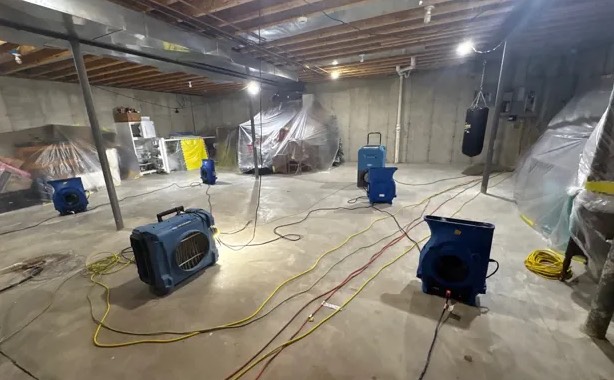
Basement Water Damage Restoration for Farmington Hills Homes
In Farmington Hills, a damp, musty basement or lower room often means water damage that was never fully dried. Old leaks can leave moisture in walls and under flooring long after the water is gone.
Homes in Farmington Hills and nearby Novi, Chesterfield and West Bloomfield with basements deal with seepage, plumbing leaks and sewer backups. Help with basement water damage restoration covers pumping, removal of wet materials and drying of walls and concrete.
Complete Basement Water Damage Restoration for Farmington Hills
Basement Wall Drying
Finished basement walls hide wet insulation and framing. Removing the bottom of the drywall lets air reach the cavity.
Basement Mold Prevention
Keeping basement humidity low after drying helps prevent mold from returning, especially in finished spaces.
Basement Drying Services
Equipment is adjusted each day based on moisture readings until every material reaches its normal level.
Basement Dehumidification
Large dehumidifiers pull moisture from the basement air so walls, framing and the slab can release their water.
Emergency Basement Flood Cleanup
A flooded basement can damage furnaces, water heaters and stored items quickly. Fast pumping limits how much is lost.
Warning Signs You Need Basement Water Damage Restoration
Efflorescence on Concrete Walls
White, chalky deposits on concrete walls mean water is moving through the concrete and leaving minerals behind.
Damp or Musty Odors
A damp, earthy or musty smell in the basement often means hidden moisture in walls, carpet or the slab.
Sewage Odors or Backups
Sewage smells or water coming up through a floor drain mean the sewer line is backing up.
Condensation on Windows or Pipes
Water beading on cold pipes or basement windows shows high humidity that keeps materials damp.
How Basement Water Damage Restoration Works in Farmington Hills
Step 1: Initial Assessment and Water Removal
The source and type of water are identified, and standing water is removed right away.
Step 2: Focused Drying of Materials
Walls, framing and the slab are dried with directed airflow, with wet insulation removed.
Step 3: Air Quality Management
Air scrubbers filter dust and odors from removal work while drying continues.
Step 4: Documentation for Restoration
Photos, readings and a list of removed materials are prepared for insurance and rebuilding.
Why Basement Water Damage Occurs in Farmington Hills
Water Heater or Appliance Leaks
Water heaters, washers and utility sinks in the basement can leak or fail without warning.
Stormwater Runoff Into Lower Levels
Heavy rain running off hard ground or a sloped yard can pour down stairwells and under doors into below-grade rooms.
Clogged Floor Drains
A floor drain blocked by debris cannot carry off water from a leak or overflow, so it spreads across the basement floor.
Sewer Line Backups
A blocked or overloaded sewer line pushes wastewater up through basement drains and toilets.
Residential and Commercial Basement Water Damage Restoration in Farmington Hills
Residential Basement Water Damage Restoration
Finished basements used as living space need carpet, pad and lower drywall checked carefully. Soaked materials are removed so the walls and slab can dry.
Commercial Basement Water Damage Restoration
Businesses with below-grade storage need inventory moved out of the water quickly. Wet stock is separated and documented for insurance.
DIY vs. Professional Basement Water Damage Restoration in Farmington Hills
Fans alone can push damp air into the rest of the house. Basement drying needs dehumidifiers to pull the moisture out of the air and the concrete.
Factors Affecting Basement Water Damage Restoration Cost in Farmington Hills
Sewage cleanup, finished walls, storm-night calls and damaged appliances all add to the total for basement water damage restoration in Farmington Hills.
Drying Time Required
Basements dry slowly, and longer drying means more equipment days and monitoring visits.
Material Saturation
Finished basements with carpet, drywall and insulation take more removal work than bare concrete.
Emergency Service
Night, weekend and storm calls can cost more than a scheduled visit.
Does Insurance Cover Basement Water Damage Restoration?
Photos, moisture readings and drying logs from local water damage pros help support an insurance claim for basement water damage in Farmington Hills.
Benefits of Local Pros for Basement Water Damage Restoration in Farmington Hills
Structural Integrity Assessment
Walls, stairs and framing are checked for damage before work begins in the basement.
Industrial-Grade Equipment
Pumps, extractors and large dehumidifiers remove water much faster than household wet vacs and fans.
Containment Strategies
Plastic sheeting keeps contaminated areas separate from clean parts of the house.
24/7 Emergency Basement Water Damage Restoration for Farmington Hills
Every hour of standing water in a basement means more drywall and flooring to replace. Call (313) 766-2970 for basement water damage restoration in Farmington Hills.
Call Now (313) 766-2970Basement Water Damage Restoration Serving Farmington Hills, Novi, Chesterfield and West Bloomfield
Basement water removal and drying also cover homes and buildings in Novi, Chesterfield and West Bloomfield, close to Farmington Hills, day or night.
- Basement Water Damage Restoration in Novi
- Basement Water Damage Restoration in Chesterfield
- Basement Water Damage Restoration in West Bloomfield
- Basement Water Damage Restoration in Walled Lake
- Basement Water Damage Restoration in Northville
- Basement Water Damage Restoration in Livonia
- Basement Water Damage Restoration in Redford
- Basement Water Damage Restoration in Southfield
- Emergency Damage Restoration in 48331
- Storm Damage Restoration in 48331
- Water Damage Restoration in 48331
- Water Extraction Service in 48331
- Water Leak Detection in 48331
- Water Removal Service in 48331
- Emergency Damage Restoration in 48332
- Storm Damage Restoration in 48332
Your Basement Water Damage Restoration Questions Addressed
What are signs of hidden moisture after below-grade water extraction?
Musty smells, tide lines on walls, damp carpet edges and moisture readings that stay high in walls or the slab.
What causes the most common below-grade leaks in homes?
Sump pump failures, foundation cracks, clogged drain tile, sewer backups and burst pipes in the basement ceiling.
What does below-grade moisture removal include beyond pumping?
Extracting carpet and pad, opening wet walls, running air movers and dehumidifiers, and checking readings until dry.
How long does below-grade drying take after a flood?
Often several days or longer, since concrete and cool basement air dry slowly. Daily readings show progress.
Is basement floor water removal different from carpet extraction?
Yes. Bare concrete is squeegeed and dried, while carpet and pad need extraction, and the pad is usually replaced.