Taylor, MI · Wayne County
Basement Water Damage Restoration in Taylor, MIBasement Wall Drying & Emergency Basement Flood Cleanup
Get basement water damage restoration in Taylor for basement floor water removal, basement mold prevention and basement drying services.
Answered 24/7
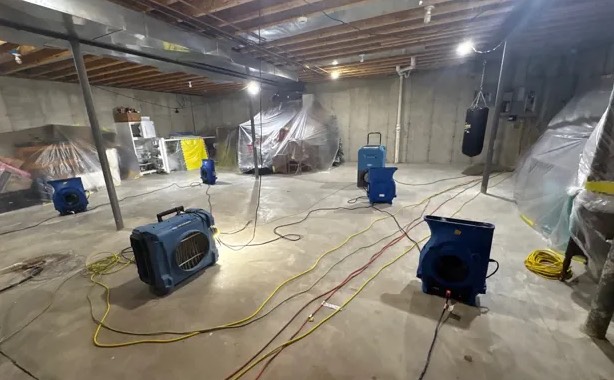
Local Basement Water Damage Restoration Near Taylor
A basement dries slower than any other part of a house. The air is cool, there is little sunlight and the concrete holds moisture for a long time. In Taylor, that makes extraction and steady dehumidification important.
Homes in Taylor and nearby Allen Park, Southgate and Inkster with basements deal with seepage, plumbing leaks and sewer backups. Help with basement water damage restoration covers pumping, removal of wet materials and drying of walls and concrete.
Basement Water Damage Restoration Services in Taylor
Basement Wall Drying
Concrete and block walls are dried with directed airflow and dehumidifiers, and checked with meters until readings drop.
Emergency Basement Flood Cleanup
Help is available any hour when water is rising in the basement from a burst pipe, a sewer backup or heavy rain.
Basement Drying Services
Equipment is adjusted each day based on moisture readings until every material reaches its normal level.
Basement Floor Water Removal
Wet carpet pad is removed from basement floors, since it holds water against the concrete and dries poorly.
Basement Mold Prevention
Keeping basement humidity low after drying helps prevent mold from returning, especially in finished spaces.
How to Know You Need Basement Water Damage Restoration in Taylor
Sewage Odors or Backups
Sewage smells or water coming up through a floor drain mean the sewer line is backing up.
Warped or Buckling Basement Floors
Laminate, wood or vinyl flooring that buckles or lifts in the basement has water underneath.
Damp or Musty Odors
A damp, earthy or musty smell in the basement often means hidden moisture in walls, carpet or the slab.
Mold on Surfaces
Dark spots on drywall, framing or stored boxes mean the area has stayed wet for days.
How Basement Water Damage Restoration Works in Taylor
Step 1: Floodwater Pump-Out
Submersible pumps remove deep water, and electrical hazards are checked before anyone walks in it.
Step 2: Deep Moisture Extraction
Extractors pull water from carpet, pad and the concrete floor after the deep water is gone.
Step 3: Air Circulation and Drying
Air movers keep dry air moving across walls and floors throughout the basement.
Step 4: Dehumidification and Verification
Dehumidifiers run until humidity and material readings confirm the basement is dry.
Frequent Sources of Water Damage in Taylor
Sewer Line Backups
A blocked or overloaded sewer line pushes wastewater up through basement drains and toilets.
High Water Table and Hydrostatic Pressure
A high water table pushes groundwater up through the slab and into the joints between wall and floor.
Failed or Clogged Drain Tile
Clogged or collapsed drain tile around the foundation lets water build up against the walls.
HVAC Condensate Line Overflow
A clogged furnace or air conditioner condensate line can overflow onto the floor of a basement or lower-level utility room.
Basement Water Damage Restoration for Homes and Businesses in Taylor
Residential Basement Water Damage Restoration
In homes, a flooded basement often means damaged carpet, drywall, a furnace or water heater and stored belongings. Water is pumped out, contents are moved and the space is dried.
Commercial Basement Water Damage Restoration
In commercial buildings, basements hold mechanical rooms, storage and sometimes offices. Water is removed and equipment areas are dried so systems can be checked and restarted.
DIY vs. Professional Basement Water Damage Restoration in Taylor
Sewage in a basement should not be cleaned up without gloves, boots and eye protection. For any backup through a floor drain or toilet, call local restoration pros.
Understanding Basement Water Damage Restoration Pricing in Taylor
In Taylor, basement jobs often run longer than upper-floor jobs because concrete dries slowly. Equipment days make up much of the bill.
Affected Square Footage
Larger basements need more extraction, more drying equipment and more days of drying time.
Dehumidification Needs
Large dehumidifiers may need to run longer in below-grade spaces than in upper floors.
Water Category
Clean water costs less to handle than sewage, which needs protective gear, removal and disinfection.
Does Insurance Cover Basement Water Damage Restoration?
Photos, moisture readings and drying logs from local restoration pros help support an insurance claim for basement water damage in Taylor.
Reasons to Hire Local Pros for Basement Water Damage Restoration in Taylor
Detailed Documentation
Photos, readings and drying logs are kept to support your insurance claim.
Water Type Handling
Clean water, gray water and sewage are each handled with the right protection and removal steps.
Water Extraction First
Water is removed from floors, carpet and pad before drying starts, which shortens drying time.
24/7 Emergency Basement Water Damage Restoration for Taylor
Storm night, weekend or holiday, the pros handle flooded basements in Taylor. Call (313) 766-2970 to get the pumps running and the water out.
Call Now (313) 766-2970Basement Water Damage Restoration Available Throughout Wayne County
Nearby areas served for basement water damage restoration include Allen Park, Southgate and Inkster, with the same pumping and drying steps used in Taylor.
- Basement Water Damage Restoration in Allen Park
- Basement Water Damage Restoration in Southgate
- Basement Water Damage Restoration in Inkster
- Basement Water Damage Restoration in Lincoln Park
- Basement Water Damage Restoration in Melvindale
- Basement Water Damage Restoration in Garden City
- Basement Water Damage Restoration in Riverview
- Basement Water Damage Restoration in Dearborn Heights
- Emergency Damage Restoration in 48180
- Storm Damage Restoration in 48180
- Water Damage Restoration in 48180
- Water Extraction Service in 48180
- Water Leak Detection in 48180
- Water Removal Service in 48180
Your Basement Water Damage Restoration Questions Addressed
What is the priority during emergency basement flood cleanup?
Safety first, especially electrical hazards, then stopping the source and pumping out the water as quickly as possible.
What is the purpose of basement wall drying?
To remove water from drywall, insulation, framing and concrete so the walls can be repaired without trapping moisture.
What health risks come with delayed basement flood cleanup?
Standing water and wet materials can support bacteria and microbial growth, and sewage carries contaminants that need disinfection.
What causes the most common below-grade leaks in homes?
Sump pump failures, foundation cracks, clogged drain tile, sewer backups and burst pipes in the basement ceiling.
What is involved in basement water damage restoration?
Pumping out water, removing soaked materials, cleaning contaminated areas, drying walls, framing and concrete, and dehumidifying until readings are normal.