Whitmore Lake, MI · Livingston County
Basement Water Damage Restoration in Whitmore Lake, MIBasement Mold Prevention & Basement Sewer Backup Cleanup
Basement Water Damage Restoration in Whitmore Lake runs from basement water extraction and basement floor water removal to basement dehumidification.
Answered 24/7
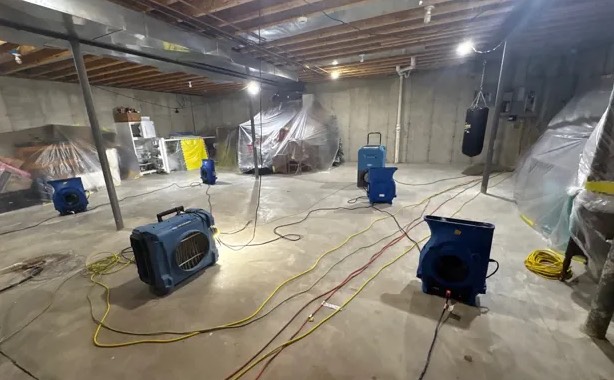
Basement Water Damage Restoration Solutions in Whitmore Lake, Michigan
Basement Water Damage Restoration in Whitmore Lake covers finished and unfinished basements. A bare concrete basement can often be pumped and dried. A finished one usually needs carpet, pad and lower drywall removed so the walls and slab can dry.
Homeowners in Whitmore Lake can call (313) 766-2970 day or night when water is rising in the basement. Service also covers South Lyon, Brighton and Dexter, with the same pumping and drying steps.
Professional Basement Water Damage Restoration Offered in Whitmore Lake
Basement Mold Prevention
Keeping basement humidity low after drying helps prevent mold from returning, especially in finished spaces.
Basement Sewer Backup Cleanup
After a sewer backup, cleanup and disinfection come before drying, so contaminated surfaces are not left in place.
Basement Floor Water Removal
A slab can look dry on top while still holding water. Moisture readings show when it is ready for new flooring.
Basement Drying Services
Air movers and dehumidifiers are placed to dry walls, framing and the slab. Below-grade rooms dry slowly, so readings are taken daily.
Basement Water Extraction
Extraction starts at the lowest point, often near the floor drain or sump, and works outward until no pooled water remains.
Signs of Basement Water Damage in Whitmore Lake
Wet or Stained Basement Walls
Dark, wet patches or tide lines on basement walls show where water seeped in or wicked up.
Warped or Buckling Basement Floors
Laminate, wood or vinyl flooring that buckles or lifts in the basement has water underneath.
Sump Pump Failure or Overflow
A sump pump that runs constantly, fails to start or lets the pit overflow puts the basement at risk.
Efflorescence on Concrete Walls
White, chalky deposits on concrete walls mean water is moving through the concrete and leaving minerals behind.
How Basement Water Damage Restoration Works in Whitmore Lake
Step 1: Initial Assessment and Water Removal
The source and type of water are identified, and standing water is removed right away.
Step 2: Focused Drying of Materials
Walls, framing and the slab are dried with directed airflow, with wet insulation removed.
Step 3: Air Quality Management
Air scrubbers filter dust and odors from removal work while drying continues.
Step 4: Documentation for Restoration
Photos, readings and a list of removed materials are prepared for insurance and rebuilding.
What Causes Basement Water Damage Restoration in Whitmore Lake
Sump Pump Mechanical Failure
A sump pump that fails, loses power or is too small lets groundwater rise into the basement.
Stormwater Runoff Into Lower Levels
Heavy rain running off hard ground or a sloped yard can pour down stairwells and under doors into below-grade rooms.
Foundation Cracks and Leaks
Cracks in foundation walls let groundwater and melting snow seep into the basement.
Faulty Basement Waterproofing
Old or failed waterproofing on foundation walls lets water through during wet weather.
Both Residential & Commercial Basement Water Damage Restoration in Whitmore Lake
Residential Basement Water Damage Restoration
Finished basements used as living space need carpet, pad and lower drywall checked carefully. Soaked materials are removed so the walls and slab can dry.
Commercial Basement Water Damage Restoration
Businesses with below-grade storage need inventory moved out of the water quickly. Wet stock is separated and documented for insurance.
Basement Water Damage Restoration vs. DIY: When to Call the Pros
If a small leak left a puddle on bare concrete, a wet vac and a dehumidifier may be enough. Call local restoration pros if water reached drywall, carpet or framing, or if it came from a sewer drain.
Understanding Basement Water Damage Restoration Pricing in Whitmore Lake
Before pricing basement water damage restoration in Whitmore Lake, the pros check the water depth, the type of water and what the basement is finished with.
Material Saturation
Finished basements with carpet, drywall and insulation take more removal work than bare concrete.
Access Complexity
Narrow stairs, low ceilings and stored contents can make the work slower.
Affected Square Footage
Larger basements need more extraction, more drying equipment and more days of drying time.
Does Insurance Cover Basement Water Damage Restoration?
Many homeowner policies cover sudden basement water from a burst pipe, but not seepage or groundwater. Sewer backup coverage is often a separate add-on, so check your policy.
Reasons to Hire Local Pros for Basement Water Damage Restoration in Whitmore Lake
Water Extraction First
Water is removed from floors, carpet and pad before drying starts, which shortens drying time.
Mold Prevention Focus
Fast drying is the main way to limit microbial growth in a below-grade space.
Structural Integrity Assessment
Walls, stairs and framing are checked for damage before work begins in the basement.
Round-the-Clock Emergency Basement Water Damage Restoration in Whitmore Lake
Sewage coming up through a floor drain? Stop using water in the house and call (313) 766-2970 now for basement water damage restoration in Whitmore Lake.
Call Now (313) 766-2970Local Basement Water Damage Restoration Coverage: Whitmore Lake and Beyond
Basement water removal and drying also cover homes and buildings in South Lyon, Brighton and Dexter, close to Whitmore Lake, day or night.
- Basement Water Damage Restoration in South Lyon
- Basement Water Damage Restoration in Brighton
- Basement Water Damage Restoration in Dexter
- Basement Water Damage Restoration in Pinckney
- Basement Water Damage Restoration in Ann Arbor
- Basement Water Damage Restoration in Milford
- Basement Water Damage Restoration in Hartland
- Basement Water Damage Restoration in Chelsea
- Emergency Damage Restoration in 48189
- Storm Damage Restoration in 48189
- Water Damage Restoration in 48189
- Water Extraction Service in 48189
- Water Leak Detection in 48189
- Water Removal Service in 48189
Frequently Asked Questions About Basement Water Damage Restoration
What is involved in basement water damage restoration?
Pumping out water, removing soaked materials, cleaning contaminated areas, drying walls, framing and concrete, and dehumidifying until readings are normal.
What does below-grade moisture removal include beyond pumping?
Extracting carpet and pad, opening wet walls, running air movers and dehumidifiers, and checking readings until dry.
What is the priority during emergency basement flood cleanup?
Safety first, especially electrical hazards, then stopping the source and pumping out the water as quickly as possible.
Why is quick action important for below-grade flood restoration?
Basements dry slowly, so every hour of standing water adds days of drying and more material to replace.
Should I try below-grade waterproofing myself after flooding?
Sealing a small crack can be a DIY job, but drying must come first, and larger waterproofing work should go to a contractor.