New Baltimore, MI · Macomb County
Basement Water Removal in New Baltimore, MIBasement Water Pump Out & Basement Wall Drying
After a burst pipe or storm, Basement Water Removal in New Baltimore means basement water pump out, basement wall drying and basement drying services.
Answered 24/7
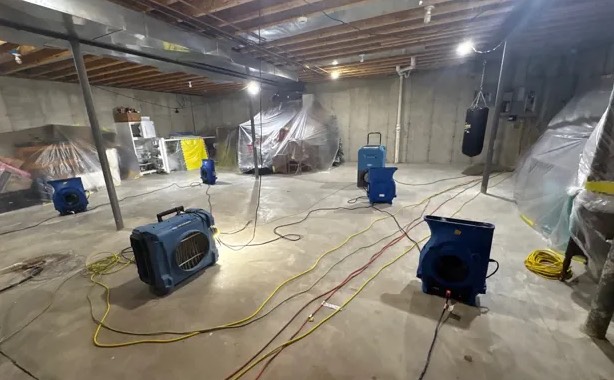
Reliable Basement Water Removal Near New Baltimore, Michigan
Dehumidification is the slow but necessary part of basement water removal in New Baltimore. Pumps remove standing water quickly, but walls and concrete keep releasing moisture for days.
Homeowners in New Baltimore can call (313) 766-2970 day or night when the basement is taking on water. Service also covers New Haven, Harrison Township and Richmond, with the same pumping and drying steps.
The Basement Water Removal Process in New Baltimore
Basement Water Pump Out
When water is more than an inch or two deep, pumps move it far faster than wet vacs, which limits how long walls sit in water.
Basement Wall Drying
Concrete and block walls dry with directed airflow and dehumidification, which pull water out of the masonry.
Basement Dehumidification
Dehumidifiers run continuously during drying, and their output is checked to track how much water is still coming out of the materials.
Sump Pump Failure Water Cleanup
A backup pump or battery system is worth discussing with a plumber after the cleanup, since sump failures often repeat in storms.
Basement Drying Services
Equipment stays until the basement reads dry, not just until it looks dry. Removing it early lets dampness return.
When to Call for Basement Water Removal in New Baltimore
Standing Water in Basement
Standing water anywhere on the basement floor needs to be pumped out before it soaks the walls.
Mold or Mildew
Dark spots on drywall, framing or stored items mean the area has stayed wet for days.
Warped or Buckling Flooring
Flooring that buckles, lifts or feels spongy has water trapped between it and the slab.
Water Stains on Walls or Ceiling
Stains on lower walls or the ceiling below a bathroom or kitchen point to a leak.
How Basement Water Removal Works in New Baltimore
Step 1: Emergency Water Extraction
Power is made safe, then pumps and extractors remove standing water from the basement floor.
Step 2: Detailed Moisture Inspection
Meters map wet walls, framing and slab areas, including behind finished walls and under flooring.
Step 3: Drying and Dehumidification
Air movers and large dehumidifiers run continuously, with readings checked every day.
Step 4: Final Verification and Monitoring
Readings are compared to dry areas, and equipment is removed only when the basement tests dry.
Common Causes of Basement Water Damage in New Baltimore
Window Well Leaks and Drainage
Window wells without drains or covers fill with rain and leak through the windows.
Plumbing Leaks or Pipe Bursts
Supply lines, drain pipes and water heaters in the basement can leak or burst onto the floor.
Sewer Line Backups and Blockages
A blocked sewer line can push wastewater up through basement floor drains and toilets.
Heavy Rainfall and Storm Flooding
Heavy rain saturates the soil and pushes water through walls, cracks and the floor joint.
House and Business Basement Water Removal in New Baltimore
Residential Basement Water Removal
Families should keep children and pets away from basement water until power is safe and the type of water is known.
Commercial Basement Water Removal
In restaurants and shops, basement water near food or stock storage needs removal and cleaning before those areas are used again.
When to Hire Local Pros for Basement Water Removal
Checking appliance hoses and extending downspouts away from the house are good DIY steps before storm season. Once the basement floods, call (313) 766-2970 for help.
Investing in Professional Basement Water Removal
Waterproofing and drainage work are separate costs. In New Baltimore, they may be needed to stop the next flood.
Water Depth and Volume
Deeper water takes more pumping time and usually means more materials got wet.
Additional Services
Antimicrobial treatment, contents cleaning and repairs after drying add to the cost.
Drying Time Required
Basements dry slowly, and each extra day of equipment adds to the total.
Does Insurance Cover Basement Water Removal?
Many homeowner policies cover sudden basement water from a burst pipe but not groundwater seepage. Sewer backup coverage is often an add-on, so check yours.
Advantages of Local Basement Water Removal Experts
Industry Drying Standards
Water removal and drying follow industry water damage standards, with readings at every visit.
Clear Communication
You get plain updates on what was found, what was removed and how drying is going.
Detailed Damage Documentation
Photos, readings and drying logs are kept to support your insurance claim.
Emergency Basement Flood Response in New Baltimore
Water still rising in the basement? Call (313) 766-2970 now for basement water removal in New Baltimore before the water reaches finished rooms and stored belongings.
Call Now (313) 766-2970Local Basement Water Removal Coverage for New Haven, Harrison Township and Richmond
Help with basement water removal reaches New Haven, Harrison Township and Richmond, plus other communities around New Baltimore, for finished and unfinished basements alike.
- Basement Water Removal in New Haven
- Basement Water Removal in Harrison Township
- Basement Water Removal in Richmond
- Basement Water Removal in Mount Clemens
- Basement Water Removal in Algonac
- Basement Water Removal in Macomb
- Basement Water Removal in Clinton Township
- Basement Water Removal in Armada
- Emergency Damage Restoration in 48047
- Storm Damage Restoration in 48047
- Water Damage Restoration in 48047
- Water Extraction Service in 48047
- Water Leak Detection in 48047
- Water Removal Service in 48047
- Emergency Damage Restoration in 48051
- Storm Damage Restoration in 48051
Common Basement Water Removal Questions Answered
What is the difference between a pump out and extraction?
A pump out removes deep standing water. Extraction pulls the remaining water from carpet, pad and floors.
What causes basement floor water damage?
Storm seepage, burst pipes, appliance leaks, foundation cracks and sewer backups through floor drains are the usual sources.
What should I do right after basement flooding?
Make power safe, avoid sewage, move belongings above the water, take photos and call for water removal.
How is contaminated water handled in a basement?
With protective gear, containment, removal of porous materials and disinfection of hard surfaces before drying.
How is basement wall drying done?
Wet drywall is cut back, insulation removed and directed airflow and dehumidifiers dry the studs and masonry.