Plymouth, MI · Wayne County
Basement Water Removal in Plymouth, MIBasement Moisture Inspection & Emergency Basement Flooding
Basement Water Removal in Plymouth runs from basement water pump out and basement drying services to basement dehumidification.
Answered 24/7
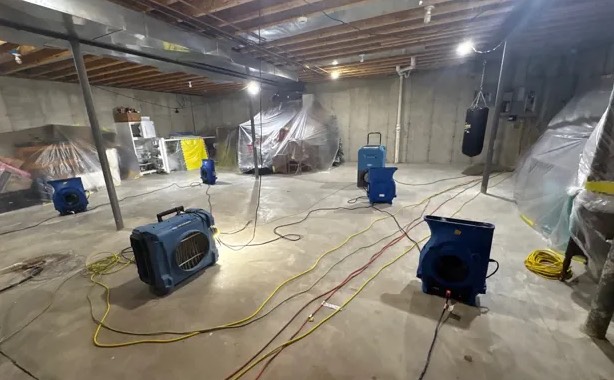
Expert Basement Water Removal in Plymouth, Northville, Canton and Westland
A basement that looks dry a day after a flood in Plymouth can still hold a lot of water in the slab, the bottom of the walls and under flooring. That hidden water causes the musty smell many basements have.
In Plymouth, when a basement or below-grade room takes on water, it usually follows heavy rain, a sewer backup or a burst pipe. Local water damage pros serve Plymouth, Northville, Canton and Westland, pumping water out and drying the space.
Comprehensive Basement Water Removal Solutions
Basement Moisture Inspection
An inspection shows how high water wicked up the walls and how far it spread under flooring, which sets the drying plan.
Emergency Basement Flooding
A flooded basement threatens the furnace, water heater and anything stored on the floor. Fast pumping protects what can still be saved.
Sump Pump Failure Water Cleanup
A backup pump or battery system is worth discussing with a plumber after the cleanup, since sump failures often repeat in storms.
Basement Wall Drying
Basement walls are checked with moisture meters. Wet drywall is cut back above the water line, and insulation behind it is removed.
Basement Drying Services
Equipment stays until the basement reads dry, not just until it looks dry. Removing it early lets dampness return.
Signs of Basement Water Damage in Plymouth
Rusted Appliances or Furniture
Rust on appliance bases, furniture legs or metal shelving points to standing water or long-term dampness.
Sump Pump Failure or Overflow
A sump pit that is full, overflowing or has a pump that will not start means water is about to spread.
Musty Odors and Mold Smell
A musty or damp smell in the basement points to wet materials hidden somewhere in the space.
Water Stains on Walls or Ceiling
Stains on lower walls or the ceiling below a bathroom or kitchen point to a leak.
How Basement Water Removal Works in Plymouth
Step 1: Source Control and Water Pump Out
The leak is shut off and standing water is pumped out, starting at the lowest point.
Step 2: Water Extraction
Extractors pull water from carpet, pad and concrete, and wet vacs clear corners and stairs.
Step 3: Dehumidification and Drying
Large dehumidifiers and air movers dry walls, framing and slab over several days.
Step 4: Inspection and Clearance for Repair
Final readings confirm the basement is dry and ready for drywall and flooring repairs.
What Causes Water Damage in Basements
Sump Pump Malfunction or Power Loss
A sump pump that fails mechanically or loses power during a storm lets groundwater rise.
Improper Landscape Grading
Soil that slopes toward the house directs rainwater straight to the basement walls.
Heavy Rainfall and Storm Flooding
Heavy rain saturates the soil and pushes water through walls, cracks and the floor joint.
Window Well Leaks and Drainage
Window wells without drains or covers fill with rain and leak through the windows.
Residential and Commercial Basement Water Removal in Plymouth
Residential Basement Water Removal
In homes, a wet basement often means damaged carpet, drywall and stored belongings, plus a furnace or water heater sitting in water. Water is pumped out and the space dried.
Commercial Basement Water Removal
In commercial buildings, basements often house mechanical rooms and storage. Water is removed quickly so systems can be checked and restarted safely.
Basement Water Removal vs. DIY: When to Call the Pros
Water that came up through a floor drain may be sewage. Avoid touching it, keep children and pets away and call local water damage pros for cleanup with protective gear and disinfection.
Factors Affecting Basement Water Removal Cost
The pros look at water depth, water type and basement finishes before pricing basement water removal in Plymouth, then explain the scope.
Basement Square Footage
Larger basements need more extraction, more drying equipment and more days of drying.
Time of Service
Night, weekend and storm calls can cost more than a scheduled weekday visit.
Access and Complexity
Narrow stairs, low ceilings and crowded storage areas make the work slower and longer.
Does Insurance Cover Basement Water Removal?
Coverage for basement water removal depends on the water source and your policy. The pros document the damage and drying, and your insurer decides what is covered.
Benefits of Hiring Local Pros for Basement Water Removal in Plymouth
Advanced Drying Equipment
Pumps, extractors and large dehumidifiers remove water much faster than household tools.
Moisture Inspection
Meters and thermal cameras find water in walls, floors and slab that looks dry.
Detailed Damage Documentation
Photos, readings and drying logs are kept to support your insurance claim.
Emergency Basement Water Removal Available 24/7
If water is near outlets, the furnace or the electrical panel, stay out of it. Call (313) 766-2970 for help in Plymouth and wait for power to be made safe.
Call Now (313) 766-2970Basement Water Removal Serving Plymouth and Surroundings
Help with basement water removal reaches Northville, Canton and Westland, plus other communities around Plymouth, for finished and unfinished basements alike.
- Basement Water Removal in Northville
- Basement Water Removal in Canton
- Basement Water Removal in Westland
- Basement Water Removal in Livonia
- Basement Water Removal in Novi
- Basement Water Removal in Farmington Hills
- Basement Water Removal in Redford
- Basement Water Removal in Inkster
- Emergency Damage Restoration in 48170
- Storm Damage Restoration in 48170
- Water Damage Restoration in 48170
- Water Extraction Service in 48170
- Water Leak Detection in 48170
- Water Removal Service in 48170
Frequently Asked Basement Water Removal Questions
Is a sump pump failure an emergency?
Yes, especially during rain. Groundwater can rise quickly once the pump stops, flooding the floor and finished rooms.
How is contaminated water handled in a basement?
With protective gear, containment, removal of porous materials and disinfection of hard surfaces before drying.
Can I dry my basement myself with fans?
Fans help with surface water, but walls and concrete need dehumidifiers and readings to dry fully.
Why is basement dehumidification important after pumping?
Walls and concrete keep releasing moisture for days. Dehumidifiers remove it so the basement does not stay damp.
Why is fast water removal so important for basements?
Basements dry slowly, so every hour of standing water adds drying days and more materials to replace.