Troy, MI · Oakland County
Basement Water Removal in Troy, MIBasement Moisture Inspection & Sump Pump Failure Water Cleanup
Basement Water Removal in Troy includes basement water pump out, basement drying services and basement moisture inspection.
Answered 24/7
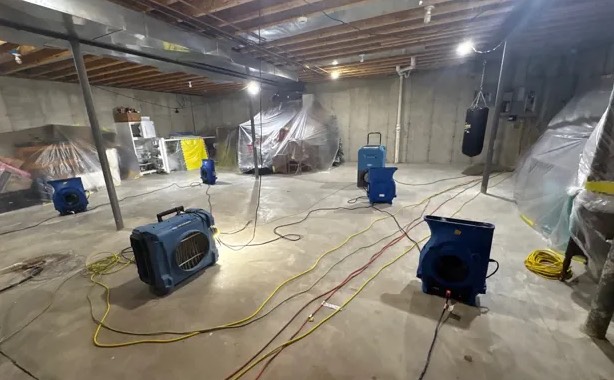
Basement Water Removal Solutions for Troy Homeowners
Basement Water Removal in Troy starts with safety. Water near the furnace, water heater or electrical panel can be dangerous, so power is made safe before anyone steps into it.
Homes in Troy and nearby Clawson, Birmingham and Rochester with basements face storm seepage, sewer backups and plumbing leaks. Help with basement water removal covers pump-out, wall and floor drying and dehumidification.
Comprehensive Basement Water Removal Solutions
Basement Moisture Inspection
An inspection shows how high water wicked up the walls and how far it spread under flooring, which sets the drying plan.
Sump Pump Failure Water Cleanup
Cleanup after a sump failure includes drying the area around the pit and noting whether the pump, switch or power was the cause.
Basement Wall Drying
Opening the bottom of finished walls lets air reach the studs and sill plate, which otherwise stay wet behind the drywall.
Basement Drying Services
Equipment stays until the basement reads dry, not just until it looks dry. Removing it early lets dampness return.
Basement Dehumidification
After drying, a household dehumidifier may still be needed to keep basement humidity in a healthy range.
Warning Signs You Need Basement Water Removal
Wet or Damp Basement Walls
Basement walls that look dark, feel damp or show tide lines are taking on or holding water.
Efflorescence on Concrete Walls
White, powdery deposits on concrete walls mean water is passing through the masonry.
Rusted Appliances or Furniture
Rust on appliance bases, furniture legs or metal shelving points to standing water or long-term dampness.
Soggy or Wet Carpeting
Carpet that feels damp or smells sour is holding water in the pad against the concrete.
How Basement Water Removal Works in Troy
Step 1: First Call and Initial Assessment
The source, the type of water and the depth are checked, and the water level is photographed.
Step 2: Bulk Water and Contaminant Removal
Pumps remove standing water, and carpet, pad or drywall touched by dirty water is removed.
Step 3: Drying With Monitoring
Dehumidifiers and air movers run around the clock, with readings logged every day on walls and slab.
Step 4: Post-Drying Evaluation and Documentation
Final readings and photos are compiled to show the basement is dry and what was removed.
Sources of Basement Water Problems
Sewer Line Backups and Blockages
A blocked sewer line can push wastewater up through basement floor drains and toilets.
Heavy Rainfall and Storm Flooding
Heavy rain saturates the soil and pushes water through walls, cracks and the floor joint.
Window Well Leaks and Drainage
Window wells without drains or covers fill with rain and leak through the windows.
High Water Table and Hydrostatic Pressure
A high water table presses groundwater against the slab and walls, forcing it inside.
Professional Basement Water Removal for All Properties
Residential Basement Water Removal
Families should keep children and pets away from basement water until power is safe and the type of water is known.
Commercial Basement Water Removal
In restaurants and shops, basement water near food or stock storage needs removal and cleaning before those areas are used again.
Professional Basement Water Removal Versus Do-It-Yourself
You can move belongings up off the floor and run the dehumidifier you already own. Drying soaked walls and slab needs larger equipment and readings to confirm the job is done.
Investing in Professional Basement Water Removal
The pros look at water depth, water type and basement finishes before pricing basement water removal in Troy, then explain the scope.
Basement Square Footage
Larger basements need more extraction, more drying equipment and more days of drying.
Contamination Level
Sewage or dirty water needs protective gear, removal and disinfection, which costs more.
Time of Service
Night, weekend and storm calls can cost more than a scheduled weekday visit.
Does Insurance Cover Basement Water Removal?
Photos, moisture readings and drying logs from local basement water removal pros help support an insurance claim for basement water damage in Troy.
Advantages of Local Basement Water Removal Experts
Clear Communication
You get plain updates on what was found, what was removed and how drying is going.
Moisture Inspection
Meters and thermal cameras find water in walls, floors and slab that looks dry.
Detailed Damage Documentation
Photos, readings and drying logs are kept to support your insurance claim.
24/7 Emergency Basement Water Removal in Troy
Water still rising in the basement? Call (313) 766-2970 now for basement water removal in Troy before the water reaches finished rooms and stored belongings.
Call Now (313) 766-2970Local Basement Water Removal Coverage for Clawson, Birmingham and Rochester
Besides Troy, the pros handle basement pump-outs, wall drying and dehumidification in nearby Clawson, Birmingham and Rochester.
- Basement Water Removal in Clawson
- Basement Water Removal in Birmingham
- Basement Water Removal in Rochester
- Basement Water Removal in Sterling Heights
- Basement Water Removal in Beverly Hills
- Basement Water Removal in Bloomfield Township
- Basement Water Removal in Berkley
- Basement Water Removal in Royal Oak
- Emergency Damage Restoration in 48007
- Storm Damage Restoration in 48007
- Water Damage Restoration in 48007
- Water Extraction Service in 48007
- Water Leak Detection in 48007
- Water Removal Service in 48007
- Emergency Damage Restoration in 48083
- Storm Damage Restoration in 48083
Basement Water Removal in Troy: Your Questions
Is a sump pump failure an emergency?
Yes, especially during rain. Groundwater can rise quickly once the pump stops, flooding the floor and finished rooms.
How long does basement drying take?
Often several days or longer, because concrete and cool basement air hold moisture. Daily readings show when it is done.
What is involved in basement water removal?
Making power safe, pumping out standing water, extracting floors and carpet, removing soaked materials and dehumidifying until dry.
How is basement wall drying done?
Wet drywall is cut back, insulation removed and directed airflow and dehumidifiers dry the studs and masonry.
Why is basement dehumidification important after pumping?
Walls and concrete keep releasing moisture for days. Dehumidifiers remove it so the basement does not stay damp.