Taylor, MI · Wayne County
Commercial Water Removal in Taylor, MISchool Water Damage Restoration & Commercial Carpet Water Extraction
Commercial Water Removal in Taylor covers office water damage cleanup, warehouse flood water extraction and commercial carpet water extraction.
Answered 24/7
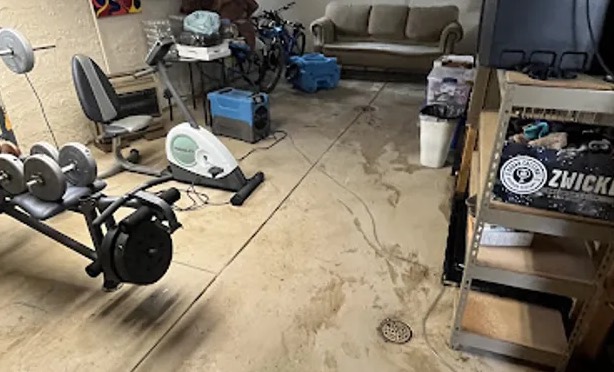
Commercial Water Removal for Taylor Commercial Properties
Apartment complexes in Taylor can see one leak affect many units, especially when it starts on an upper floor. Water travels down through ceilings and walls into units below.
Property managers in Taylor can call (313) 766-2970 day or night when water floods a building. Service also covers Allen Park, Southgate and Inkster, including after-hours and weekend work.
Commercial Water Removal Services in Taylor
School Water Damage Restoration
Wet ceiling tiles, carpet and drywall in classrooms are removed and dried so rooms can be used again safely.
Commercial Carpet Water Extraction
Glue-down carpet is dried in place with directed airflow when extraction was fast and the water was clean.
Apartment Complex Flood Cleanup
Common areas such as laundry rooms, hallways and leasing offices are extracted and dried along with the units.
Restaurant Kitchen Water Cleanup
Kitchen water often comes from drains or grease lines. It is handled with protective gear and the area is sanitized before drying.
Warehouse Flood Water Extraction
Pallets and racking at floor level are moved or raised, since cardboard and wood pallets soak up water from the slab quickly.
Do You Need Commercial Water Removal in Taylor?
Damp Drywall or Ceilings
Damp or stained drywall and ceiling tiles show water coming from a leak, roof or unit above.
Buckling Hardwood Floors
Wood floors in lobbies or offices that buckle or cup have water underneath them.
Soggy Carpet Spots
Spots of soggy carpet or carpet tiles mean water is trapped against the slab underneath.
Water Around Foundation
Water collecting near the foundation outside can seep into lower floors and below-grade rooms.
How Commercial Water Removal Works in Taylor
Step 1: Water Mitigation
The source is shut off, stock is moved and water is kept from reaching dry areas.
Step 2: Targeted Moisture Detection
Meters and thermal cameras check walls, ceilings and floors in nearby suites and floors below.
Step 3: Applied Structural Drying
Equipment is placed for each zone's materials and moved as readings drop each day.
Step 4: Completion and Handoff
The owner walks the space with the pros, and each zone is released for repairs or reopening.
Frequent Sources of Flooding in Taylor Commercial Properties
Sewer Line Backups
A blocked sewer line can back up through restrooms and floor drains on the lowest level.
Foundation Cracks and Seepage
Foundation cracks let groundwater seep into lower floors, storage rooms and mechanical rooms.
Fire Suppression System Testing
Fire suppression system testing or repairs can release water if valves or lines fail.
Window and Door Seal Failure
Worn seals on storefront glass, windows and doors let rain into lobbies and sales floors.
Commercial Water Removal in Taylor
Residential Water Removal
In a house, the main concerns are the family's safety, their belongings and getting rooms usable again while the home dries.
Commercial Water Removal
In schools, restaurants and medical buildings, health rules and schedules shape the work, and some areas must be cleaned and checked before they reopen.
Commercial Water Damage: DIY Risks and Professional Solutions in Taylor
Fans moved around a building can spread moisture and dust. Professional drying uses dehumidifiers and readings to dry every zone evenly and confirm the result.
What Influences Commercial Water Removal Cost in Taylor?
After-hours work, contaminated water, multi-story damage and contents handling all add to the total for commercial water removal in Taylor.
Affected Square Footage
Large floors, multiple suites or several stories need more equipment, more labor and more time.
Content Handling
Moving, protecting and listing stock, furniture and records adds labor to the job.
Water Category
Clean water costs less to handle than gray or black water, which needs cleaning and more removal.
Does Insurance Cover Commercial Water Removal?
Coverage for commercial water removal depends on the cause and your policies. The pros document the damage and drying, and your insurers decide what is covered.
The Value of Local Commercial Water Removal Experts in Taylor
Detailed Documentation
Photos, readings and contents lists are kept to support property and business interruption claims.
Prevention of Mold
Fast drying, and treatment of materials that stayed wet, limits microbial growth in closed spaces.
Clear Communication
Owners and managers get plain updates on progress, closed areas and expected reopening dates.
Emergency Commercial Water Removal in Taylor
Water flooding your building in Taylor? Shut off the source, move stock and electronics off the floor and call (313) 766-2970. Help is available 24/7.
Call Now (313) 766-2970Local Commercial Water Removal Around Taylor
Need commercial water removal outside Taylor? Service also covers Allen Park, Southgate and Inkster, including after-hours and weekend work.
- Commercial Water Removal in Allen Park
- Commercial Water Removal in Southgate
- Commercial Water Removal in Inkster
- Commercial Water Removal in Lincoln Park
- Commercial Water Removal in Melvindale
- Commercial Water Removal in Garden City
- Commercial Water Removal in Riverview
- Commercial Water Removal in Dearborn Heights
- Emergency Damage Restoration in 48180
- Storm Damage Restoration in 48180
- Water Damage Restoration in 48180
- Water Extraction Service in 48180
- Water Leak Detection in 48180
- Water Removal Service in 48180
Frequently Asked Questions About Commercial Water Removal in Taylor
Why is school water damage restoration treated as urgent?
Classrooms need to be safe and dry before students return, so drying is planned around the school schedule.
How long does warehouse water cleanup and drying take?
Extraction often takes a day. Drying a large slab and walls usually takes several more days, depending on the space.
What is the difference between extraction and drying in commercial property drying?
Extraction removes liquid water quickly. Drying removes the moisture left in walls, slabs and ceilings over several days.
What records are provided for insurance after commercial water extraction?
Photos, moisture readings, lists of removed materials and contents, and daily drying logs for each area.
Does commercial carpet water extraction always save the carpet?
Not always. Clean water extracted quickly often lets carpet stay, but tiles that release from the slab are replaced.