Melvindale, MI · Wayne County
Desiccant Dehumidification in Melvindale, MICrawl Space Drying & Mold Prevention Drying
Desiccant Dehumidification in Melvindale runs from emergency dehumidification and flood drying services to firefighting water drying.
Answered 24/7
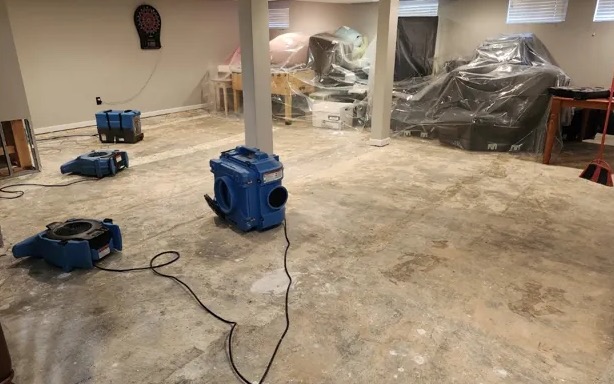
Desiccant Dehumidification: Moisture Control in Melvindale
After a fire in Melvindale, the water used to put it out soaks rooms well beyond the burned area. That water needs to come out before rebuilding.
In Melvindale, desiccant drying is often used in crawl spaces and large buildings after floods. Local water damage restoration pros serve Melvindale, River Rouge, Lincoln Park and Allen Park, choosing equipment based on readings.
Desiccant Dehumidification Methods Used in Melvindale
Crawl Space Drying
Water is removed from the crawl space first, then desiccant drying brings humidity down so the framing can dry.
Mold Prevention Drying
In contained work areas, desiccant dehumidifiers keep the air dry while damaged materials are removed and framing is cleaned.
Water Damage Dehumidification
After a leak or flood, dehumidifiers remove moisture from the air so wet drywall, wood and carpet can dry out.
Construction Drying Services
Construction drying speeds up schedules by lowering humidity so slabs and drywall reach the moisture levels flooring and paint need.
Emergency Dehumidification
Help is available any hour to set up drying equipment after a leak or flood, so moisture does not sit overnight in materials.
Symptoms Requiring Desiccant Dehumidification in Melvindale
Wet Insulation in Attics or Walls
Insulation that is wet in attics or walls holds water against framing and slows drying.
Warped Wood Floors or Trim
Wood floors or trim that cup or warp after a leak are still taking on moisture.
Strong Damp Odor in Rooms
A damp smell that stays in a room after cleanup means materials there are still holding moisture.
Spongy Drywall or Soft Spots
Drywall that feels soft or spongy has absorbed water and may need removal if it does not dry.
How Desiccant Dehumidification Works in Melvindale
Step 1: Emergency Moisture Evaluation
The wet area is mapped and the right size and type of dehumidifier is chosen.
Step 2: High-Capacity Setup
Large desiccant units are placed for big spaces or cool areas where standard units struggle.
Step 3: Active Drying Cycle
Dry air is moved across wet materials, with daily readings to track progress.
Step 4: Completion and Insurance Records
Final readings and daily drying logs are compiled into a record for your insurer.
What Leads to Humidity Damage Needing Desiccant Dehumidification in Melvindale
Foundation Cracks and Seepage
Foundation cracks let groundwater seep into lower levels, keeping walls and floors damp.
Fire Suppression System Activation
Fire sprinklers and firefighting water soak large areas of a building at once.
Appliance Malfunctions and Overflows
Washers, dishwashers and water heaters that leak leave wet floors, cabinets and walls.
New Construction Moisture Trapped
New concrete, drywall mud and framing on job sites hold moisture until they are dried.
Desiccant Dehumidification for Homes & Businesses in Melvindale
Residential Desiccant Dehumidification
Homeowners with damp basements may need desiccant drying after a flood because cool concrete and air slow standard units.
Commercial Desiccant Dehumidification
Warehouses with large slabs and stock need humidity kept low during drying to protect inventory and dry the concrete.
Why DIY Falls Short for Desiccant Dehumidification in Melvindale
Do not run drying equipment on materials soaked by sewage or floodwater before they are cleaned or removed, since that spreads contamination through the house.
Factors in Desiccant Dehumidification Pricing for Melvindale
In Melvindale, starting drying right after a leak or flood usually shortens the job and lowers the total equipment cost.
Additional Restoration Steps
Extraction, material removal and cleaning before drying are separate steps that add to the total.
Access and Complexity
Crawl spaces, tight areas and large buildings take more effort to set up and monitor.
Duration of Equipment Use
Drying usually takes several days, and each day of equipment use adds to the total.
Does Insurance Cover Desiccant Dehumidification?
Photograph wet areas before drying begins and keep receipts for emergency extraction, drying equipment and any hotel stay during the work.
The Value of Local Pros for Desiccant Dehumidification in Melvindale
Structural Drying
Walls, floors and framing are dried, not just the air in the room.
Industry Drying Standards
Drying follows industry water damage standards, with readings taken at every visit.
Targeted Drying
Equipment is placed for the specific materials and spaces that are wet.
Emergency Desiccant Dehumidification Response for Melvindale
Water damage that needs drying in Melvindale? Call (313) 766-2970 to get dehumidifiers and air movers in place. Help is available 24/7.
Call Now (313) 766-2970Locations for Desiccant Dehumidification Around Melvindale
Help with desiccant dehumidification is also available in communities near Melvindale, including River Rouge, Lincoln Park and Allen Park, for floods, crawl spaces and commercial buildings.
- Desiccant Dehumidification in River Rouge
- Desiccant Dehumidification in Lincoln Park
- Desiccant Dehumidification in Allen Park
- Desiccant Dehumidification in Dearborn
- Desiccant Dehumidification in Ecorse
- Desiccant Dehumidification in Garden City
- Desiccant Dehumidification in Dearborn Heights
- Desiccant Dehumidification in Wyandotte
- Emergency Damage Restoration in 48122
- Storm Damage Restoration in 48122
- Water Damage Restoration in 48122
- Water Extraction Service in 48122
- Water Leak Detection in 48122
- Water Removal Service in 48122
Frequently Asked Questions About Desiccant Dehumidification
Why use desiccant drying after a fire?
Firefighting water soaks large areas, and high-capacity drying helps remove that moisture once debris is cleared.
How long does crawl space drying typically take?
Often several days, depending on how wet the framing is and how cool and damp the space stays.
What does water damage dehumidification include?
Taking readings, placing dehumidifiers and air movers, logging progress daily and confirming materials are dry.
When is desiccant dehumidification a better choice than refrigerant units?
In cool spaces, very large areas or when very low humidity is needed to dry dense materials.
What equipment is used for commercial building drying?
High-capacity desiccant or refrigerant dehumidifiers, air movers, moisture meters and sometimes ducting to direct dry air.