St. Clair Shores, MI · Macomb County
Emergency Water Extraction in St. Clair Shores, MISewage Backup Cleanup & Wet Drywall Water Removal
Emergency Water Extraction in St. Clair Shores runs from standing water removal and emergency flood water extraction to wet drywall water removal.
Answered 24/7
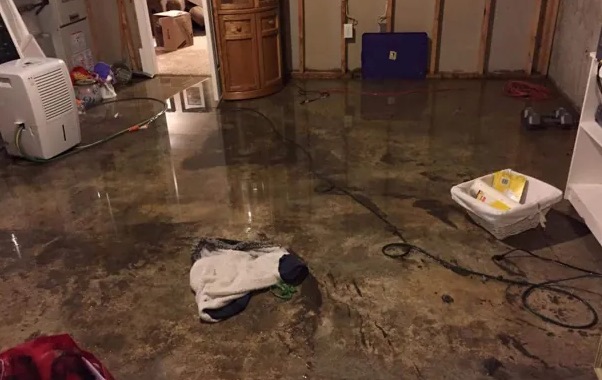
Emergency Water Extraction for St. Clair Shores Homes and Businesses
Most emergency water calls in St. Clair Shores come from burst pipes, failed water heaters, overflowing toilets, storms and sewer backups. Each one puts water where it should not be, fast.
In St. Clair Shores, emergency extraction calls come at all hours. Local water removal experts serve St. Clair Shores, Roseville, Eastpointe and Fraser, pumping standing water and extracting carpet and floors as soon as the source is off.
The Emergency Water Extraction Process for St. Clair Shores Properties
Sewage Backup Cleanup
Sewage that backed up through drains or toilets is extracted with protective gear, and the area is contained from clean rooms.
Wet Drywall Water Removal
Small holes near the base of the wall let dry air into the cavity, which dries the studs and back of the drywall.
Burst Pipe Water Extraction
The burst section is noted and photographed for the plumber while the water is removed and the house is dried.
Flooded Basement Water Removal
Water heaters, furnaces and stored items in a flooded lower level are checked, and wet belongings are moved out first.
Standing Water Removal
Standing water spreads under walls and into the next room. Extraction follows it until every wet floor is cleared.
Indicators of a Serious Water Problem in St. Clair Shores
Bubbling Paint or Wallpaper
Paint or wallpaper that bubbles has water behind it, often from a leak inside the wall.
Swollen Doors or Cabinets
Doors that stick or cabinets that swell near a leak have soaked up water.
Buckling Hardwood Floors
Hardwood that cups or buckles has absorbed water from a leak above or below it.
Dripping Sounds or Leaks
Dripping or running water sounds when nothing is on mean a leak is still active somewhere.
How Emergency Water Extraction Works in St. Clair Shores
Step 1: Emergency Response Assessment
Power is made safe, sagging ceilings are checked and people are kept away from hazards.
Step 2: Water Extraction Process
Water is extracted from carpet, hard floors and low spots across every affected room.
Step 3: Targeted Drying and Dehumidification
Air movers and dehumidifiers dry the walls and subfloors where the water soaked in.
Step 4: Final Damage Documentation
Final readings confirm the structure is dry, and records are compiled for your insurer.
Frequent Sources of Water Damage in St. Clair Shores
Human Error or Accidental Spills
Tubs and sinks left running, and other everyday accidents, can flood rooms and the floor below.
Sewage System Backup
A blocked sewer line pushes wastewater up through floor drains, tubs and toilets.
HVAC System Condensation Issues
Clogged AC condensate lines overflow into closets, attics and the ceilings of rooms below.
Foundation Cracks and Seepage
Foundation cracks let groundwater seep into lower levels during long wet spells.
Residential and Commercial Emergency Water Extraction in St. Clair Shores
Residential Emergency Water Extraction
Families often want to save carpet and flooring. Fast extraction of clean water makes that possible in many cases.
Commercial Emergency Water Extraction
Property managers with several units get separate extraction and drying records, with photos, for each affected unit or suite.
When to Hire Local Pros for Emergency Water Extraction in St. Clair Shores
Sewage and floodwater should not be cleaned up without gloves, boots and eye protection. For any backup or flood inside, call the experts for safe extraction.
Estimating Emergency Water Extraction Expenses in St. Clair Shores
Sewage, floodwater and deep standing water in St. Clair Shores cost more to extract than a clean water leak on one floor.
Depth of Standing Water
Deep standing water needs pumping before extraction, which adds time and equipment.
Required Drying Time
Drying usually takes several days, and each extra day of equipment adds to the total.
Water Source and Type
Clean water costs less to extract and dry than sewage or floodwater, which needs disinfection.
Does Insurance Cover Emergency Water Extraction?
Water from outside flooding usually needs a separate flood policy. Water from a broken pipe or appliance inside is more often covered by a standard policy.
Why Choose Local Pros for Emergency Water Extraction in St. Clair Shores
Sewage Safety
Sewage is extracted with protective gear, and contaminated areas are cleaned and disinfected.
Clear Communication
You get plain updates on what was extracted, what was removed and how drying is going.
Documentation for Insurance
Photos, readings and drying logs are kept from the first visit to support your insurance claim.
24/7 Emergency Water Extraction Availability in St. Clair Shores
Every hour water sits, more carpet, drywall and flooring are lost. Call (313) 766-2970 for emergency water extraction in St. Clair Shores at any hour, including holidays.
Call Now (313) 766-2970Emergency Water Extraction for St. Clair Shores and Surrounding Communities
Need emergency water extraction outside St. Clair Shores? Service also covers Roseville, Eastpointe and Fraser, including help during storms and holidays.
- Emergency Water Extraction in Roseville
- Emergency Water Extraction in Eastpointe
- Emergency Water Extraction in Fraser
- Emergency Water Extraction in Warren
- Emergency Water Extraction in Clinton Township
- Emergency Water Extraction in Grosse Pointe
- Emergency Water Extraction in Mount Clemens
- Emergency Water Extraction in Harrison Township
- Emergency Damage Restoration in 48080
- Storm Damage Restoration in 48080
- Water Damage Restoration in 48080
- Water Extraction Service in 48080
- Water Leak Detection in 48080
- Water Removal Service in 48080
- Emergency Damage Restoration in 48081
- Storm Damage Restoration in 48081
Your Emergency Water Extraction Questions for St. Clair Shores, MI
Can water extraction prevent mold after a flood?
Fast extraction and drying are the main ways to keep mold from starting after a flood.
How do water removal experts document damage for insurance?
With photos of the water and damage, moisture readings, a list of removed materials and daily drying logs.
What tools are used for emergency water extraction?
Submersible pumps, truck-mounted and portable extractors, weighted carpet tools, air movers, dehumidifiers and moisture meters.
What happens after the water is extracted?
Moisture readings show what is still wet, materials that cannot be saved are removed and drying equipment runs for several days.
Is sewage backup cleanup different from regular water extraction?
Yes. Sewage needs protective gear, containment, removal of soaked materials and disinfection before drying.