Harrison Township, MI · Macomb County
Floodwater Removal in Harrison Township, MIFlooded Carpet Water Removal & Flooded Basement Water Extraction
Floodwater Removal in Harrison Township covers flooded carpet water removal, storm flood water pumping, and contaminated floodwater removal.
Answered 24/7
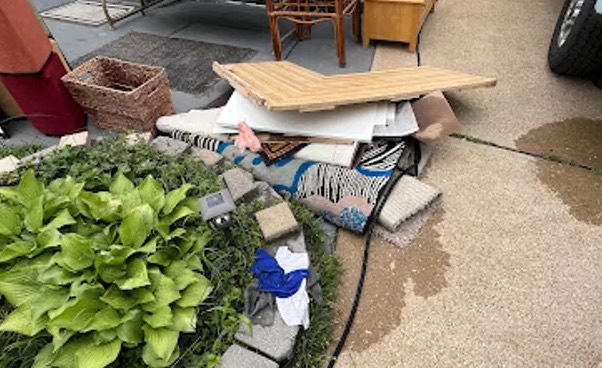
Floodwater Removal Response for Harrison Township Properties
In Harrison Township, floodwater soaks floors, drywall and belongings and starts mold within a day or two. Getting it out quickly limits how much has to be torn out.
In Harrison Township and nearby Mount Clemens, Clinton Township and St. Clair Shores, local flood damage pros handle floodwater of every kind, including sewage and storm water, and dry the property afterward.
Floodwater Removal Methods Used in Harrison Township
Flooded Carpet Water Removal
Flood-soaked carpets in Harrison Township homes need professional water extraction. Pros use truck-mounted systems to forcefully extract water.
Flooded Basement Water Extraction
Rapid water extraction is crucial for flooded interior spaces. Powerful pumps remove standing water, preventing structural damage and mold growth.
Sewage Flood Cleanup
Black water flooding requires specialized expertise. After the initial extraction of the contaminated fluid, the focus shifts to detailed cleaning and sanitization of all surfaces.
Storm Flood Water Pumping
Post-storm flooding often requires large-scale water removal. Professionals deploy powerful pumping equipment to evacuate standing water from affected zones.
Emergency Flood Damage Mitigation
Flood damage mitigation is about methodical action to minimize loss. This emergency service includes stopping the water source if possible, extracting standing water, and implementing temporary protective measures.
Signs You Need Professional Floodwater Removal
High Indoor Humidity Levels
Indoor humidity that stays high after a flood means drying is not finished.
Visible Water Lines on Walls
Visible water lines on drywall indicate significant water intrusion. The wet section of drywall usually has to be cut out.
Gurgling Sounds in Drains
Gurgling drains can signal a sewer line problem that may cause backup. Contaminated floodwater needs protective gear and disinfection.
Foundation Cracks Seeping Water
Water seeping through foundation cracks needs pumping out, and the crack should be checked once the area is dry.
How Floodwater Removal Works in Harrison Township
Step 1: Emergency Water Extraction
Local flood damage pros in Harrison Township start by pumping standing water out of the property.
Step 2: Contaminated Water Removal
Sewage or other contaminated water is removed with the right equipment and protective gear.
Step 3: Flood Damage Drying
Air movers and dehumidifiers dry the flooded rooms and carpets until readings are normal.
Step 4: Damage Assessment & Documentation
The pros record the damage with photos and readings. Confirm coverage details with your insurer.
What Causes Floodwater Damage in Harrison Township
Foundation Cracks and Leaks
Cracks in a foundation let groundwater seep in during long, soaking rains.
Sewer System Backup
Municipal sewer backups or overwhelmed septic systems can push contaminated water into a home through floor drains and toilets.
Severe Weather and Storms
Heavy rain can overwhelm drains and cause flash flooding that leaves standing water in homes and businesses.
Roof Leaks During Downpours
A damaged roof can let water pour into an attic or upper floors, so water must be removed from several levels.
Residential & Commercial Floodwater Removal in Harrison Township
Residential Floodwater Removal
Residential floodwater extraction often involves confined spaces like basements and crawlspaces. Pros use subfloor drying systems and remove soaked carpet to dry the structure.
Commercial Floodwater Removal
Commercial properties with flat roofs or large footprints are susceptible to pooling water. Local pros check roof drains and use high-capacity pumps to clear flooded areas.
The Risks of DIY Floodwater Removal in Harrison Township
You can move smaller, undamaged furniture and belongings to a dry area to prevent further water exposure. Remove area rugs from wet floors. Avoid using household fans alone to dry carpets, as this can spread mold spores.
Estimating Floodwater Removal Expenses in Harrison Township
How much pumping is needed and how much hidden moisture is in walls and floors will shape your final cost.
Additional Restoration Services
Follow-up work like antimicrobial treatment or cleaning contents adds to the total.
Extent of Standing Water
How much water there is and how many areas are wet decide how long pumping and extraction take.
Emergency Service Timing
A night or weekend call may carry after-hours labor rates for the first extraction.
Does Insurance Cover Floodwater Removal?
Homeowners policies may cover sudden water from inside, like a burst pipe, while outside flooding often needs separate flood insurance. The pros take photos and readings, and your insurer decides.
Benefits of Local Pros for Floodwater Removal in Harrison Township
Industrial-Grade Drying Equipment
Air movers and dehumidifiers are set up to dry the home steadily after the flood.
24/7 Emergency Response
The pros can be reached around the clock to start removing water.
Odor Control and Air Scrubbing
HEPA air scrubbers remove dust and odors from the air during and after cleanup.
Around-the-Clock Emergency Floodwater Removal in Harrison Township
Standing water keeps soaking into floors and walls. For floodwater extraction and emergency flood cleanup in Harrison Township, contact the pros at (313) 766-2970.
Call Now (313) 766-2970Floodwater Removal Near Harrison Township: Communities Served
In Macomb County, homes in Harrison Township and nearby Mount Clemens, Clinton Township and St. Clair Shores can get help with floodwater extraction and emergency flood cleanup.
- Floodwater Removal in Mount Clemens
- Floodwater Removal in Clinton Township
- Floodwater Removal in St. Clair Shores
- Floodwater Removal in Fraser
- Floodwater Removal in New Baltimore
- Floodwater Removal in Macomb
- Floodwater Removal in Roseville
- Floodwater Removal in Sterling Heights
- Emergency Damage Restoration in 48045
- Storm Damage Restoration in 48045
- Water Damage Restoration in 48045
- Water Extraction Service in 48045
- Water Leak Detection in 48045
- Water Removal Service in 48045
FAQ: Floodwater Removal in Harrison Township
Why is post flood drying important?
Drying with air movers and dehumidifiers removes hidden moisture that would otherwise cause rot, mold and long-term damage.
What is emergency flood damage mitigation?
It is the first response after a flood: securing the property, removing water and starting drying. Help is available 24/7.
What is involved in floodwater removal?
Pumping out standing water, extracting water from carpets, setting up drying equipment and checking humidity until the structure is dry.
How quickly should floodwater extraction begin?
As soon as possible. Starting early limits damage and mold and saves more of the property.
How does sewage flood cleanup differ?
Sewage cleanup needs protective gear, antimicrobial treatment and usually more removal of contaminated materials than clean water does.