Huntington Woods, MI · Oakland County
Industrial Dehumidification in Huntington Woods, MIWarehouse Moisture Control & Disaster Recovery Drying
Industrial Dehumidification in Huntington Woods handles disaster recovery drying, industrial humidity reduction systems and emergency water removal.
Answered 24/7
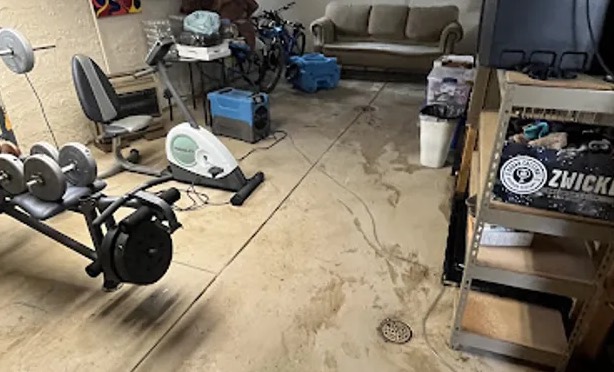
Industrial Drying Services for Huntington Woods Properties
Mold is a frequent consequence of untreated moisture in warehouses, manufacturing facilities, and other large commercial spaces. It poses health risks to occupants and can damage stored products, inventory, and essential building systems over time.
Industrial dehumidification is a priority for large facilities in Huntington Woods and nearby areas like Royal Oak, Oak Park and Berkley. Whether dealing with a burst pipe or ongoing humidity issues, local water damage pros apply commercial dehumidification techniques.
Professional Industrial Dehumidification in Huntington Woods
Warehouse Moisture Control
Warehouse humidity often climbs with the seasons and after leaks. Industrial dehumidifiers bring it back down, and placing them well protects stock and packaging.
Disaster Recovery Drying
After a large flood or leak, whole floors or wings of a building may need drying at once. High-capacity dehumidifiers and air movers make that possible.
Emergency Water Removal
When water invades a commercial space, every minute counts. The pros extract the bulk water first. Following extraction, industrial dehumidification tackles the remaining moisture.
Mold Remediation Services
Persistent moisture often leads to mold growth. Industrial dehumidification pros first dry the structure thoroughly. Affected surfaces are then cleaned.
Industrial Humidity Reduction Systems
Some buildings stay humid long after a leak. Dehumidifiers can be left running to hold humidity at a set level until the building is stable.
Signs of Moisture Requiring Industrial Dehumidification in Huntington Woods
Soggy Inventory or Stock
Wet cardboard, damaged goods or damp raw materials mean humidity in the building is not under control.
Condensation on Pipes
Sweating pipes and ducts drip water and raise the humidity in the space even further.
Recent Flood or Spill
A burst pipe or overflow that soaks a commercial space needs cleanup and drying right away.
Peeling Adhesives or Labels
Boxes losing their shape and labels peeling off mean the storage area is holding too much moisture.
How Industrial Dehumidification Works in Huntington Woods
Step 1: Site Assessment and Inspection
An inspection finds the water sources, the wet materials and how much cleanup is needed.
Step 2: Containment and Water Removal
Containment is set up if needed, then industrial extractors remove the bulk water.
Step 3: Deploy Drying Equipment
Desiccant and refrigerant dehumidifiers and air movers are placed to dry the building.
Step 4: Continuous Monitoring and Adjustment
Equipment runs around the clock, and humidity is checked so the setup can be adjusted as areas dry.
Common Causes for Industrial Dehumidification in Huntington Woods
Natural Disasters and Severe Weather
Flash floods, torrential rain and other extreme events can soak large buildings and need large-scale drying.
Process Water or Chemical Spills
Industrial processes that use liquids carry a constant risk of accidental spills and releases.
Appliance Malfunctions and Overflows
Water heater failures or broken process lines can flood large areas suddenly.
Groundwater Intrusion and Saturation
Poor drainage around the building can let water seep up through the floor.
Industrial Dehumidification for All Properties in Huntington Woods
Residential Industrial Dehumidification
A flooded basement or crawl space can ruin stored items and weaken foundations. Pros extract the water and dry the structure to prevent costly repairs later.
Commercial Industrial Dehumidification
Restaurant kitchens, stockrooms and offices all need humidity under control after water damage. Commercial dehumidifiers protect equipment and goods from rust and mold.
Industrial Dehumidification vs. Do-It-Yourself in Huntington Woods
Throwing out ruined cardboard or soaked insulation is something a property manager can do. Building materials that may have mold should be removed by pros using containment.
What Influences Industrial Dehumidification Expense in Huntington Woods
The cost of temporary dehumidification depends on the size of the building, the humidity target and whether concrete needs special drying.
Affected Square Footage
The size of the area to be dehumidified sets how much equipment and labor are needed.
Equipment Quantity
The number of dehumidifiers, air movers and meters needed grows with the size of the flood.
Structural Material Type
Concrete, wood and steel dry differently, which changes the approach and the time.
Does Insurance Cover Industrial Dehumidification?
Insurance coverage for industrial dehumidification work in Huntington Woods depends entirely on the specific terms and conditions of a property owner's policy. The final coverage decision rests solely with the insurance carrier.
Benefits of Local Pros for Industrial Dehumidification in Huntington Woods, MI
Structural Material Knowledge
Concrete, wood and drywall dry at different rates, and the plan accounts for each.
Humidity Reduction Systems
Dehumidifiers can stay in place until humidity in the building is stable.
Detailed Moisture Documentation
Meters and sensors track humidity and moisture, so you can see drying progress day by day.
24/7 Emergency Drying for Huntington Woods Properties
The longer water sits in a commercial building, the more damage and mold it causes. For industrial drying in Huntington Woods, call (313) 766-2970 around the clock.
Call Now (313) 766-2970Industrial Dehumidification Coverage in Huntington Woods, Royal Oak, Oak Park and Berkley
The pros provide commercial dehumidification and water cleanup for facilities in Huntington Woods and nearby Royal Oak, Oak Park and Berkley.
- Industrial Dehumidification in Royal Oak
- Industrial Dehumidification in Oak Park
- Industrial Dehumidification in Berkley
- Industrial Dehumidification in Ferndale
- Industrial Dehumidification in Southfield
- Industrial Dehumidification in Lathrup Village
- Industrial Dehumidification in Madison Heights
- Industrial Dehumidification in Clawson
- Emergency Damage Restoration in 48070
- Storm Damage Restoration in 48070
- Water Damage Restoration in 48070
- Water Extraction Service in 48070
- Water Leak Detection in 48070
- Water Removal Service in 48070
Frequently Asked Questions About Industrial Dehumidification
What is the first step in emergency water removal?
The initial critical step is extracting all standing water using truck-mounted or portable pumps and extractors.
What is the goal of disaster recovery drying?
It is drying a building after a large water loss so the business can return to normal use as soon as possible.
Can humidity control prevent future mold problems?
Keeping warehouse humidity low with dehumidifiers protects stored goods and the building from moisture damage.
What areas need drying after a warehouse flood?
All wet areas: floors, walls, stored contents and often the subfloor and insulation as well.
What tools do water damage restoration pros use for moisture control?
Local pros use an array of tools including penetrating and non-penetrating moisture meters, thermal imaging cameras, industrial-grade dehumidifiers, and high-volume air movers.