Trusted by 190+ Homeowners
Laminate Floor Water Extraction in St. Clair Shores, MI
- Over 193 5-Star Reviews
- Free Estimates and Quotes
- 100% Satisfaction Guaranteed
- Child, Family & Pet Safe Steps
- 24-Hour Emergency Service
- Fully Licensed & Insured

Water Damage on Your Laminate Floors in St. Clair Shores, MI: What to Do Next
You’re walking into your home after a long day, and the first thing you notice is the musty smell wafting from your living room. You follow the scent to find water seeping through your laminate floor, spreading its way across the room. Your heart sinks as you realize the extent of the damage. You’re not sure what to do or who to call, but you know you need help fast. Our team in St. Clair Shores, MI, specializes in Laminate Floor Water Extraction, and we’re here to guide you through the process.
Don’t let water damage ruin your home and your peace of mind. Our team has helped over 165 homeowners in the area recover from similar situations. We know how to extract water from laminate floors and restore them to their original condition. You can trust our technicians to do the job right the first time.
- We use advanced equipment to extract water from laminate floors, reducing drying times and preventing further damage.
- Our technicians have the training and expertise to identify and address the root cause of the water damage.
- We provide free estimates and work with your insurance company to ensure a smooth claims process.
How Our Laminate Floor Water Extraction Service Works
When you hire our team for Laminate Floor Water Extraction, you can expect a thorough and efficient process. Our technicians will arrive at your home quickly and assess the damage. We’ll use specialized equipment to extract the water from your laminate floors, and then we’ll dry them using industrial-grade fans and dehumidifiers. Our goal is to return your floors to their original condition, and we’ll work tirelessly to ensure that happens.
Step 1: Assessment and Planning
We’ll arrive at your home and conduct a thorough assessment of the damage. Our technicians will identify the source of the water and find out the extent of the damage. We’ll develop a plan to extract the water and dry your laminate floors.
Step 2: Water Extraction
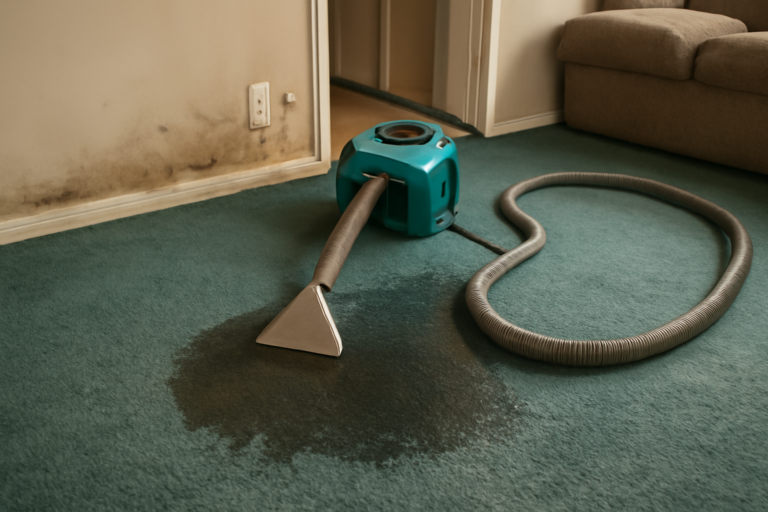
We’ll use specialized equipment, such as wet vacuums and pumps, to extract the water from your laminate floors. This step is crucial in preventing further damage and reducing drying times.
Step 3: Drying and Dehumidification
We’ll use industrial-grade fans and dehumidifiers to dry your laminate floors. This step is critical in preventing mold and mildew growth, which can be hazardous to your health.
Step 4: Cleanup and Disinfecting
Once the drying process is complete, we’ll clean and disinfect your laminate floors to ensure they’re safe for occupancy.
Step 5: Inspection and Testing
We’ll conduct a final inspection to ensure that your laminate floors are dry and free from any damage. We’ll also perform moisture tests to confirm that your floors are safe and dry.
Don’t wait any longer to restore your home. Our team is here to help you with your Laminate Floor Water Extraction needs. Contact us today to schedule a free estimate and get your home back on track.

Warning Signs You Need Laminate Floor Water Extraction
Catching water damage early is crucial in preventing costly repairs and health hazards. Here are some warning signs you should look out for:
Musty Odors That Won’t Go Away
When you notice a persistent musty smell in your home, it’s a sign that water is seeping into your laminate floors. Don’t ignore this sign; it can lead to mold and mildew growth, which can be hazardous to your health.
Warped or Buckled Laminate Boards
When your laminate boards start to warp or buckle, it’s a sign that water has damaged the underlying structure. This can lead to further damage and costly repairs.
Discoloration or Stains on Your Laminate Floors
When you notice discoloration or stains on your laminate floors, it’s a sign that water has damaged the surface. This can lead to further damage and costly repairs.
Water Stains or Rings on Your Ceiling or Walls
When you notice water stains or rings on your ceiling or walls, it’s a sign that water is seeping into your home. Don’t ignore this sign; it can lead to costly repairs and health hazards.
Peeling or Flaking Paint on Your Walls
When you notice peeling or flaking paint on your walls, it’s a sign that water has damaged the underlying structure. This can lead to further damage and costly repairs.
Swollen or Softened Laminate Boards
When your laminate boards start to swell or soften, it’s a sign that water has damaged the underlying structure. This can lead to further damage and costly repairs.
Laminate Floor Water Extraction vs. DIY: When to Call a Professional
| Situation | DIY? | Call a Pro? | Why |
|---|---|---|---|
| Water damage is limited to a small area (less than 10 square feet). | Yes | No | You can handle this with basic cleaning supplies and equipment. |
| Water damage is extensive (more than 100 square feet) or caused by a burst pipe. | No | Yes | This needs specialized equipment and expertise to prevent further damage and health hazards. |
| You’re not sure how to extract water from your laminate floors or what equipment to use. | No | Yes | Our team has the training and expertise to handle this situation and prevent further damage. |
| Water damage has caused structural damage to your home. | No | Yes | This needs professional attention to prevent further damage and ensure your home is safe. |
| You’re concerned about mold and mildew growth and want to ensure your home is safe. | No | Yes | Our team has the equipment and expertise to prevent mold and mildew growth and ensure your home is safe. |
| You’re not sure how to handle a water damage situation or what to expect. | No | Yes | Our team is here to guide you through the process and ensure your home is restored to its original condition. |
With Laminate Floor Water Extraction, it’s always best to err on the side of caution. If you’re unsure about how to handle a water damage situation, it’s best to call a professional. Our team has the training, expertise, and equipment to handle any situation and prevent further damage.
Laminate Floor Water Extraction Cost in St. Clair Shores, MI
The cost of Laminate Floor Water Extraction in St. Clair Shores, MI, varies based on the severity of the damage, the size of the affected area, and local conditions. Our estimates typically range from $500 to $2,500 or more, depending on the extent of the damage. Keep in mind that these are estimates, and actual costs may vary.
| Service | Typical Price Range | What Affects Cost |
|---|---|---|
| Initial Assessment and Planning | $100 – $300 | The extent of the damage and the size of the affected area. |
| Water Extraction and Drying | $500 – $2,000 | The amount of water extracted and the size of the affected area. |
| Cleanup and Disinfecting | $200 – $500 | The extent of the damage and the size of the affected area. |
| Inspection and Testing | $100 – $300 | The extent of the damage and the size of the affected area. |
Exact pricing depends on an on-site assessment, and we offer free estimates to homeowners in St. Clair Shores, MI. Our team is here to help you with your Laminate Floor Water Extraction needs. Contact us today to schedule a free estimate and get your home back on track.
Service Areas Near St. Clair Shores, MI
We serve the following nearby communities: Eastpointe, Grosse Pointe, Harper Woods, Lincoln Park, Macomb Township, Roseville, Fraser, Clinton Township, and Mount Clemens.
Common Questions About Laminate Floor Water Extraction
Q: Can I use a wet vacuum to extract water from my laminate floors?
A: No, a wet vacuum is not enough to extract water from laminate floors. We use specialized equipment, such as pumps and wet vacuums, to extract water from your laminate floors. Our team has the training and expertise to handle this situation and prevent further damage.
Q: How long does it take to dry laminate floors after water damage?
A: The drying time for laminate floors after water damage can vary depending on the extent of the damage and the size of the affected area. Generally, it can take anywhere from 3-5 days to dry laminate floors completely. Our team will work tirelessly to ensure your floors are dry and safe for occupancy.
Q: Can I use bleach to disinfect my laminate floors after water damage?
A: No, bleach is not recommended for disinfecting laminate floors after water damage. Bleach can damage the finish on your laminate floors and leave them with a chemical smell. Our team uses safe and effective disinfectants to ensure your floors are clean and safe for occupancy.
Q: Do I need to replace my laminate floors after water damage?
A: Not always. If the water damage is limited to a small area, we may be able to save your laminate floors. But, if the damage is extensive, it may be necessary to replace your laminate floors. Our team will assess the damage and provide you with a recommendation on the best course of action.
Check Our Other Relevant Services
- Emergency Water Extraction in St. Clair Shores, MI
- Hardwood Floor Water Extraction in St. Clair Shores, MI

Jimmy Brummitt is a licensed property recovery specialist with over 20 years of hands-on experience in the disaster restoration industry. As a veteran in the field, Jimmy is recognized for his technical precision and authoritative knowledge, helping residential and commercial clients navigate the complexities of structural recovery while adhering to the highest safety and compliance standards.
𝗖𝗲𝗿𝘁𝗶𝗳𝗶𝗰𝗮𝘁𝗶𝗼𝗻𝘀: Jimmy is highly credentialed through the IICRC, holding specialized certifications in Water Damage Restoration (WRT), Mold Remediation (AMRT), Applied Structural Drying (ASD), Odor Control (OCT), and Fire and Smoke Restoration (FSRT).
𝗙𝗮𝘃𝗼𝗿𝗶𝘁𝗲 𝗣𝗮𝘀𝘁𝗶𝗺𝗲: An avid outdoorsman and classic car enthusiast, Jimmy enjoys spending his weekends fishing or working in his garage on vintage automotive restoration projects.
𝗕𝗲𝘀𝘁 𝗣𝗮𝗿𝘁 𝗼𝗳 𝘁𝗵𝗲 𝗝𝗼𝗯: Jimmy finds the most reward in the “human element” of the job. He prides himself on being a steady, calming presence for families in crisis, guiding them through the recovery process to ensure their home is once again a safe haven.