Detroit, MI · Wayne County
Manufacturing Facility Damage Restoration in Detroit, MIIndustrial Structural Drying & Manufacturing Equipment Water Damage Repair
Industrial fire damage cleanup, manufacturing equipment drying, and industrial sewage backup cleanup are key parts of manufacturing facility damage restoration for a Detroit facility.
Answered 24/7
Local Manufacturing Facility Damage Restoration Solutions in Detroit, Michigan
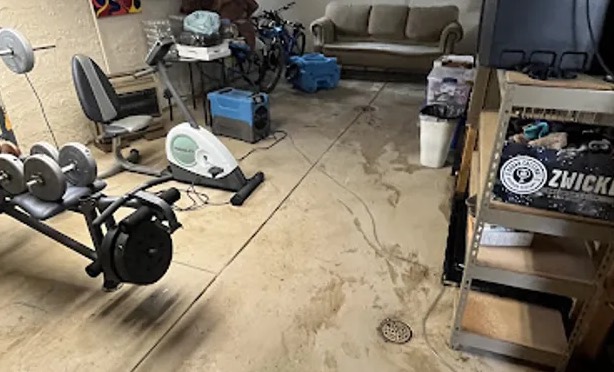
Storm damage can hit a manufacturing plant in Detroit hard. Wind-driven rain or flooding can get through the roof and walls and spread water across large floors.
When a manufacturing facility in Detroit suffers water, fire, or mold damage, the need for specialized manufacturing facility damage restoration is immediate. Local industrial water extraction experts clean up water damage and dry manufacturing facilities to limit downtime.
Complete Manufacturing Facility Damage Restoration Services in Detroit
Industrial Structural Drying
Drying the structural components of a factory requires powerful equipment. The method involves using injectidry systems to dry inside wall cavities and placing dehumidifiers to control the ambient humidity, protecting the integrity of the building's framework.
Manufacturing Equipment Water Damage Repair
Water can short out control panels and motors. The experts dry electrical parts carefully to help prevent corrosion before machines are restarted.
Manufacturing Plant Mold Remediation
Industrial mold remediation focuses on areas with chronic moisture, like near process cooling lines. The procedure involves removing affected drywall or insulation, thoroughly drying the structure, and applying sealants to create a barrier against moisture recurrence.
Manufacturing Facility Water Extraction
For large-scale spills or storm water intrusion in a factory, specialized extraction equipment is required.
Industrial Sewage Backup Cleanup
Dealing with a sewage spill in a plant involves more than just water removal. The cleanup process includes extracting the contaminated liquid, disposing of affected porous materials, and applying disinfectants to all hard surfaces to prevent microbial mold.
Warning Signs You Need Manufacturing Facility Damage Restoration in Detroit
Soggy Insulation or Building Materials
Wet ceiling tiles, damp insulation, or saturated drywall in a commercial building hinder operations and require water damage repair.
High Humidity Readings Inside
High moisture readings in the air of the plant mean the building needs professional drying.
Storm Water Infiltration
Water coming in around doors, windows or roof penetrations after heavy rain needs prompt repair.
Electrical Malfunctions or Sparks
Short circuits, tripped breakers, or sparks in a factory after a flood warn of dangerous fire damage cleanup risks.
How Manufacturing Facility Damage Restoration Works in Detroit
Step 1: Site Assessment and Scope
Pros perform a thorough walk-through to assess all water, fire, or mold damage, scoping the full manufacturing facility water damage restoration needed.
Step 2: Contaminated Water Cleanup
For sewage or storm water, the area is cleaned and disinfected before drying continues.
Step 3: Manufacturing Equipment Drying
Sensitive machinery is carefully dried using controlled methods to prevent corrosion and get your production line back online quickly.
Step 4: Air Quality Restoration
Air scrubbers clean the atmosphere of particles and odors, a final touch for factory fire damage cleanup and overall environmental recovery.
Frequent Industrial Flooding Sources for Manufacturing Facilities
Burst or Leaking Supply Pipes
High-pressure water lines or aged plumbing within an industrial facility can fail, flooding production areas and causing extensive water damage.
Sprinkler Irrigation System Faults
Landscape watering systems near the building can malfunction, directing water into the structure and necessitating industrial water extraction.
Process Equipment Malfunctions
Cooling towers, boilers, or machining coolant systems can leak, spilling water directly onto floors and other manufacturing equipment.
HVAC System Condensation Problems
Malfunctioning cooling units or poor drainage can lead to water pooling inside air handlers and dripping onto sensitive manufacturing equipment.
Industrial and Commercial Manufacturing Facility Damage Restoration in Detroit
Water Damage Help for Homes
Water damage in a home often involves living spaces and personal belongings, requiring careful content handling and drying to restore normalcy.
Manufacturing Facility Damage Restoration for Owners and Managers
For a manufacturing facility, water damage halts production, risks expensive equipment, and threatens structural integrity. Manufacturing facility water damage restoration prioritizes getting your production line operational with minimal downtime.
Industrial Restoration: DIY Risks and Industrial Water Extraction Experts Benefits
Following a storm, you can visually inspect your manufacturing plant's interior for obvious new leaks and place buckets under active drips. For major water, roof damage or flooding in equipment bays, stay clear and call for professional flood restoration.
Factors in Manufacturing Facility Damage Restoration Cost for Detroit
The cost of manufacturing facility damage restoration in Detroit depends on the volume of water, any mold or fire damage and the size of the affected area.
Damage Severity and Scope
The extent of water, fire, or mold damage throughout your manufacturing plant directly influences the restoration timeline and required resources, impacting overall cost.
Restoration vs. Replacement
The balance between restoring salvageable structural elements and machinery versus complete replacement decisions significantly affects the final project investment.
Material Removal and Disposal
Costs include the removal and proper disposal of damaged inventory, saturated insulation, ruined drywall, or materials affected during factory fire damage cleanup.
Does Insurance Cover Manufacturing Facility Damage Restoration?
Coverage for manufacturing plant restoration after water, fire, or mold damage depends on the policy's cause and provisions. Your insurer decides coverage, so report the loss and discuss flood restoration with them.
The Value of Local Experts for Manufacturing Facility Damage Restoration in Detroit
Mold Remediation Procedures
Mold removal in plants follows set steps: find the moisture source, contain the area, remove affected materials and treat surfaces.
Structural Drying Focus
Structural drying keeps the building dry and prevents mold and structural problems.
IICRC-Standard Restoration Methods
The experts follow industry standards for water extraction, drying and cleaning in plants.
24/7 Manufacturing Facility Damage Restoration Assistance in Detroit, MI
For emergency restoration of a manufacturing facility in Detroit, call (313) 766-2970 24/7. Fast action limits water and mold damage to equipment and inventory.
Call Now (313) 766-2970Manufacturing Facility Damage Restoration for Detroit, Hamtramck, Highland Park and River Rouge
Manufacturing facility restoration is available in Detroit and nearby areas like Hamtramck, Highland Park and River Rouge. The experts address water, sewage, storm, mold, and fire damage to keep production environments safe and operational.
Frequently Asked Manufacturing Facility Damage Restoration Questions
What does industrial sewage backup cleanup involve?
It involves safely removing contaminated Category 3 water, disinfecting affected surfaces, and disposing of hazardous waste according to health standards to restore a safe environment.
What happens during manufacturing facility water damage restoration?
The process follows IICRC standards: assessment, water extraction, drying with industrial equipment, cleaning, sanitizing, and monitoring until moisture levels are normalized.
Is factory water extraction different from home water removal?
Yes, it requires more powerful equipment for larger volumes, often addresses chemical contaminants, and must consider complex building layouts and sensitive industrial assets.
What's the first step in factory storm water removal?
The first step is extracting all standing water using industrial-grade pumps and vacuums, followed by an assessment for hidden moisture in sub-floors and behind walls.
How quickly should I respond to water in my factory?
Right away. Standing water can damage electrical systems, inventory and equipment bases within hours.