Bloomfield Township, MI · Oakland County
Rapid Structural Drying in Bloomfield Township, MIWall Cavity Drying & Subfloor Drying
Rapid Structural Drying in Bloomfield Township includes emergency structural drying, moisture mapping services, and flood drying services.
Answered 24/7
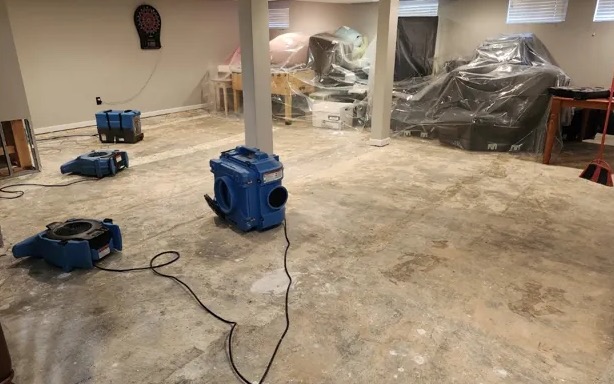
Local Rapid Structural Drying for Bloomfield Township Homes and Businesses
The goal of any water damage response is to return the structure to a pre-loss condition. For homes in Bloomfield Township, achieving this requires professional-grade equipment and proven methods.
For commercial structural drying in Bloomfield Township, businesses benefit from rapid intervention to limit downtime and damage. Assistance is available throughout the region, such as in Birmingham, Pontiac and Beverly Hills, with 24/7 availability.
Tailored Rapid Structural Drying for Bloomfield Township
Wall Cavity Drying
Moisture locked within a wall demands a focused drying solution. Desiccant dehumidifiers are often used to aggressively pull moisture from the enclosed area.
Subfloor Drying
Water seeping under flooring requires immediate attention. High-capacity dehumidifiers then capture the water vapor to protect the subfloor's strength.
Emergency Structural Drying
Drying starts with a quick assessment and equipment placement, so moisture is pulled from walls, floors and framing before the damage spreads.
Structural Dehumidification
The core of rapid structural drying is aggressive dehumidification. Using low-grain refrigerant (LGR) or desiccant units, pros control the environment to halt secondary damage.
Crawl Space Drying
Properties in Bloomfield Township may have crawl spaces affected by seasonal moisture. Water damage pros seal vapor barriers and run drying equipment until wood moisture content returns to safe levels.
When Rapid Structural Drying is needed
Mold Growth on Baseboards
Mold appearing along floor edges often points to hidden moisture in wall cavities or subfloors needing extraction.
Musty Odors in Your Home
A musty smell that will not go away usually means moisture is trapped inside walls or under floors.
Recent Plumbing Leak or Flood
Any recent leak or flood can leave water inside walls and floors even after surfaces look dry.
Soggy or Spongy Drywall
Drywall that feels soft to the touch has absorbed a lot of water and needs drying right away.
How Rapid Structural Drying Works in Bloomfield Township
Step 1: Site Evaluation for Hidden Moisture
The service starts with a thorough evaluation using probes and sensors to locate all hidden moisture within wall cavities, subfloors, and concrete slabs.
Step 2: Deployment of Industrial Drying Systems
Commercial dehumidifiers and air movers are set up to pull water out of dense materials like hardwood and framing.
Step 3: Active Wall and Subfloor Drying Cycle
An active drying cycle begins, with equipment running continuously to evaporate and extract moisture, focusing on wall cavity and subfloor drying.
Step 4: Assurance of Complete Moisture Removal
Before concluding, pros verify complete moisture removal with final checks, ensuring the structure is protected from future mold or rot issues.
Common Causes of Water Damage Requiring Rapid Structural Drying in Bloomfield Township
Foundation Cracks and Water Seepage
Cracks in a foundation or basement wall permit groundwater intrusion, which can saturate concrete slabs and framing.
Overflowing Sinks or Bathtubs
A bathroom overflow can send water under flooring and into wall cavities, where it stays hidden.
HVAC System Condensation Issues
Clogged drain lines or faulty condensate pumps from air handlers can cause significant water damage inside walls and ceilings.
Appliance Malfunctions and Leaks
Faulty water heaters, washing machines, or dishwashers can leak slowly, causing hidden damage in walls and floors over time.
Residential and Commercial Rapid Structural Drying in Bloomfield Township
Residential Rapid Structural Drying
Subfloor drying preserves the stability of residential floors. The pros use injectidry systems and floor mat drying to extract moisture from between joists without removing the finished flooring above.
Commercial Rapid Structural Drying
Restaurants and hotels need kitchen subfloors and guest room walls dried quickly. The pros use commercial extraction and drying equipment and work around service hours.
When DIY Methods Are Not Enough for Rapid Structural Drying
You can sweep water out of a garage or away from a foundation exterior. Inside, place aluminum foil squares on concrete slabs to test for condensation.
Pricing Considerations for Rapid Structural Drying in Bloomfield Township
Several factors determine rapid structural drying cost for a home in Bloomfield Township. The primary considerations are the square footage affected and the complexity of accessing wet structural components like crawl spaces or concrete slabs.
Project Duration
The total time needed for complete structural dehumidification and achieving dry standards affects the overall labor and equipment rental period.
Secondary Damage Prevention
Efforts to prevent mold growth during the drying process, such as applying antimicrobials, can be a factor in the service cost.
Moisture Mapping Scope
Detailed moisture mapping services to track drying progress across a structure require additional time and diagnostic tools from the pros.
Does Insurance Cover Rapid Structural Drying?
Coverage for structural moisture removal hinges on the peril named in your homeowners policy. Final approval for any work rests with your insurance company, so direct communication is key.
Reasons to Trust Moisture Removal Experts with Rapid Structural Drying
Focus on Structural Integrity
The process prioritizes drying the building structure itself, including wall cavities and subfloors, to protect its stability.
Thorough Process Verification
Drying is monitored until moisture levels in materials meet standard dry criteria before equipment is removed.
Water Mitigation Drying Expertise
The approach is part of a complete water mitigation process to stabilize the property quickly.
Emergency Structural Drying Response
Need fast structural drying services following a major leak? Contact (313) 766-2970 for 24/7 emergency assistance from the pros in your area.
Call Now (313) 766-2970Rapid Structural Drying Near Bloomfield Township: Areas Served
Wall cavity and subfloor drying is available in Bloomfield Township and nearby areas such as Birmingham, Pontiac and Beverly Hills.
- Rapid Structural Drying in Birmingham
- Rapid Structural Drying in Pontiac
- Rapid Structural Drying in Beverly Hills
- Rapid Structural Drying in West Bloomfield
- Rapid Structural Drying in Lathrup Village
- Rapid Structural Drying in Troy
- Rapid Structural Drying in Auburn Hills
- Rapid Structural Drying in Southfield
- Emergency Damage Restoration in 48301
- Storm Damage Restoration in 48301
- Water Damage Restoration in 48301
- Water Extraction Service in 48301
- Water Leak Detection in 48301
- Water Removal Service in 48301
- Emergency Damage Restoration in 48302
- Storm Damage Restoration in 48302
Rapid Structural Drying FAQs
How do pros know when structural drying is complete?
The pros use moisture meters to compare readings in affected materials to known dry standards in unaffected areas, ensuring moisture levels are acceptable before concluding the job.
What is structural dehumidification?
Structural dehumidification uses large-capacity dehumidifiers to lower the overall humidity within a building's structure, aiding the drying of materials and helping to prevent secondary water damage like mold.
What is the goal of commercial structural drying?
The goal of commercial structural drying is to quickly restore a safe, dry environment for business operations by removing moisture from building materials and contents to prevent long-term damage.
Is rapid structural drying needed for clean water leaks?
Yes, even clean water from a broken pipe requires rapid structural drying to prevent absorption into porous materials, which can lead to swelling, warping, and potential mold.
Can flood drying services prevent mold?
Prompt flood drying services that quickly remove water and lower humidity can significantly reduce the risk of mold growth, which often begins within 24-48 hours in damp conditions.