Highland Park, MI · Wayne County
Rapid Structural Drying in Highland Park, MISubfloor Drying & Crawl Space Drying
Rapid Structural Drying in Highland Park involves emergency structural drying, wall cavity drying, and flood drying services from restoration pros.
Answered 24/7
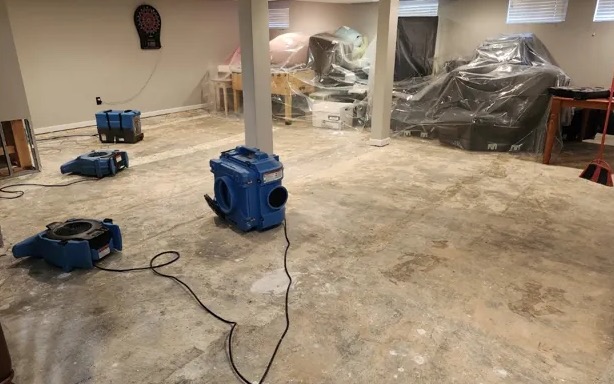
Rapid Structural Drying Solutions in Highland Park, Michigan
Concrete slabs, subfloors and wall studs all absorb moisture at different rates. Incomplete drying leaves residual dampness that weakens structures over time.
Fast structural drying is essential for homes throughout Highland Park. The experts provide subfloor drying and crawl space drying to protect foundational elements. Services reach neighboring areas including Hamtramck, Ferndale and Madison Heights for broader support.
Advanced Rapid Structural Drying Processes
Subfloor Drying
A soaked subfloor is a priority for structural drying. The process involves moisture mapping to determine the extent of saturation.
Crawl Space Drying
Damp crawl spaces promote wood rot, mold, and musty odors. Drying addresses standing water and high humidity with extraction, ventilation, and industrial dehumidification to create a dry, stable environment.
Emergency Structural Drying
Drying starts with a quick assessment and equipment placement, so moisture is pulled from walls, floors and framing before the damage spreads.
Structural Dehumidification
In a water-damaged building, high humidity is the enemy. Structural dehumidification uses commercial-grade equipment to rapidly lower relative humidity.
Concrete Slab Drying
Drying a concrete foundation slab is a slow, methodical task. It requires creating a dry air environment above the slab to encourage moisture evaporation from its surface.
When Rapid Structural Drying Is Needed
Visible Water Stains on Walls
Yellow or brown stains on drywall or ceilings mean water got into the material and may still be inside.
Mold Growth on Baseboards
Mold appearing along floor edges often points to hidden moisture in wall cavities or subfloors needing extraction.
Recent Plumbing Leak or Flood
Any recent leak or flood can leave water inside walls and floors even after surfaces look dry.
Water Pooling in Crawl Spaces
Standing water under your home puts floor framing at risk and needs pumping and drying.
How Rapid Structural Drying Works in Highland Park
Step 1: Water Extraction and Containment
The process begins with extracting any standing water, then containing the affected area to prevent moisture migration to dry parts of the building.
Step 2: Professional Drying Equipment Deployment
Powerful desiccant and refrigerant dehumidifiers are deployed alongside air movers to aggressively remove moisture from the air and building materials.
Step 3: Focused Crawl Space and Slab Drying
Hard areas get specific methods, such as ducted air for crawl spaces and floor mats for concrete slabs.
Step 4: Final Moisture Validation and Documentation
Final moisture readings are taken and documented with photos and reports for your insurer, confirming the structure is dry and stable.
Events That Lead to Rapid Structural Drying
Clogged Gutters and Downspouts
When gutters overflow, water pools against the foundation and can seep into crawl spaces, slabs and lower walls.
Foundation Cracks and Water Seepage
Cracks in a foundation or basement wall permit groundwater intrusion, which can saturate concrete slabs and framing.
Roof Leaks From Storm Damage
Wind-driven rain or damaged shingles allow water to infiltrate attics and wall cavities, leading to widespread structural moisture.
HVAC System Condensation Issues
Clogged drain lines or faulty condensate pumps from air handlers can cause significant water damage inside walls and ceilings.
Both Home and Business Rapid Structural Drying
Residential Rapid Structural Drying
Crawl space drying is critical in homes to stop wood rot and pest infestation. The pros run drying ducts and desiccant dehumidifiers under the house until it reads dry.
Commercial Rapid Structural Drying
Offices get drying plans that run in phases, floor by floor, so wall cavities and ceiling plenums are dried with the least disruption.
Rapid Structural Drying vs. DIY: When to Call Moisture Removal Experts
Wipe down accessible surfaces with towels and increase ventilation by opening windows if weather permits. Avoid using household fans on wet drywall, as they can spread mold spores.
Factors Influencing Rapid Structural Drying Costs
Residential structural drying cost in Highland Park hinges on how quickly water is extracted and how many air movers and dehumidifiers are deployed. Drying a subfloor or crawl space also changes the price.
Moisture Mapping Scope
Detailed moisture mapping services to track drying progress across a structure require additional time and diagnostic tools from the pros.
Access and Complexity
Difficult-to-reach areas like tight crawl spaces or behind finished walls add labor time to the emergency structural drying process.
Affected Structural Materials
Drying dense materials like concrete slabs or enclosed wall cavities demands specialized techniques and longer durations than drying open areas.
Does Insurance Cover Rapid Structural Drying?
Insurance may cover fast structural drying if the water damage is from a sudden, accidental event like a burst pipe. The pros will create a thorough record of moisture levels and affected areas for your insurer.
Benefits of Professional Rapid Structural Drying
Focus on Structural Integrity
The process prioritizes drying the building structure itself, including wall cavities and subfloors, to protect its stability.
Detailed Documentation for Claims
Comprehensive logs of moisture readings and photos are taken to document the damage for insurance purposes.
Water Mitigation Drying Expertise
The approach is part of a complete water mitigation process to stabilize the property quickly.
24/7 Emergency Rapid Structural Drying in Highland Park
When water gets into wall cavities or subfloors, drying should start soon. Call (313) 766-2970 24/7 for structural drying in Highland Park.
Call Now (313) 766-2970Rapid Structural Drying Near Highland Park: Areas Served
Structural drying is important for properties throughout Wayne County. From crawl spaces to concrete slabs, the pros help homeowners in Highland Park and neighboring areas like Hamtramck, Ferndale and Madison Heights.
- Rapid Structural Drying in Hamtramck
- Rapid Structural Drying in Ferndale
- Rapid Structural Drying in Madison Heights
- Rapid Structural Drying in Oak Park
- Rapid Structural Drying in Royal Oak
- Rapid Structural Drying in Huntington Woods
- Rapid Structural Drying in Warren
- Rapid Structural Drying in Berkley
- Emergency Damage Restoration in 48203
- Storm Damage Restoration in 48203
- Water Damage Restoration in 48203
- Water Extraction Service in 48203
- Water Leak Detection in 48203
- Water Removal Service in 48203
Rapid Structural Drying FAQs
How does drying differ for residential structural drying?
Residential structural drying often involves navigating living spaces, personal belongings, and varied construction materials, with a focus on restoring habitability and protecting the home's value.
What happens if wall cavity drying is delayed?
Delayed wall cavity drying allows moisture to promote mold growth inside walls, degrade insulation, and potentially weaken drywall or wooden studs, leading to more extensive and invasive repairs.
What is involved in subfloor drying?
Subfloor drying involves using specialized air movers and dehumidifiers to draw moisture out of the wooden or concrete layer beneath flooring, often requiring access panels or strategic placement of equipment.
Why document the process for insurance?
Detailed documentation of moisture readings, photos, and equipment used provides a clear record for your insurance claim, showing the necessity and scope of the rapid structural drying services performed.
When is crawl space drying necessary?
Crawl space drying is necessary when flooding or high humidity saturates this enclosed area, as trapped moisture can damage foundation piers, joists, and lead to mold growth throughout the home.