Rochester, MI · Oakland County
Roof Leak Water Removal in Rochester, MIAttic Water Extraction & Leak Source Identification
Roof Leak Water Removal in Rochester covers emergency roof tarping, attic water extraction, ceiling water damage cleanup and wet insulation removal.
Answered 24/7
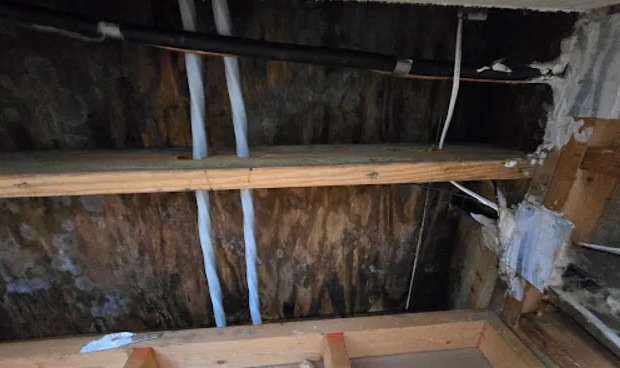
Roof Leak Water Removal for Rochester Homes
Water from a roof leak lands on the ceiling first. Drywall can hold only so much before it sags, so getting water out of the attic quickly protects the room below.
Roof leak water removal is available in Rochester and nearby Auburn Hills, Shelby Township and Troy. The pros tarp the opening if needed, extract the water and dry the attic framing and ceiling drywall.
Roof Leak Water Removal Work in Rochester
Attic Water Extraction
Water that pools on attic floors, vapor barriers or ceiling drywall is pulled out with wet vacuums and portable extractors before it soaks through to the room below.
Leak Source Identification
Photos of the entry point, the wet decking and the path of the water give the roofer and your insurer a clear record of the leak.
Wet Contents Protection
Wet contents are sorted into items that can be dried and items that cannot. A photo list of each is kept for the insurance claim.
Structural Drying Services
Wet framing in Rochester attics is dried with directed airflow and dehumidification. Daily readings show when the wood is dry enough for repairs.
Wall Cavity Drying
Roof leaks often run down inside exterior walls. The pros check wall cavities under the leak and dry them through small holes or by removing the baseboard.
When a Roof Leak Needs Water Removal
Musty Smell After Rain
A damp, musty smell that gets stronger after storms often means insulation in the attic is staying wet.
Water Stains on the Ceiling
Brown or yellow rings on the ceiling, often growing after each rain, mean water is reaching the drywall from above.
Damp Baseboards on Exterior Walls
Wet or swelling baseboards under a ceiling stain mean water has traveled down the wall cavity from the attic.
Gutters Spilling Over the Roof Edge
Gutters that overflow toward the house during storms can push water under the shingles and into the wall top plates.
How Roof Leak Water Removal Works in Rochester
Step 1: Protect the Rooms Below
Furniture and belongings under the leak are moved or covered, and floors are protected before any ceiling work begins.
Step 2: Drain and Open the Ceiling
Water trapped above the ceiling is drained through a small hole, and soft drywall is removed to reach the wet cavity.
Step 3: Dry Walls and Framing
Wall cavities under the leak are checked and dried along with the joists and top plates the water ran across.
Step 4: Document for the Claim
Photos, moisture logs and a list of removed materials are put together for you to share with your insurer.
Why Water Gets Into the Attic in Rochester
Clogged Gutters
Leaves and debris in gutters make water back up at the roof edge, where it seeps under shingles and into the soffit and walls.
Cracked Vent Boots
The rubber collars around plumbing vents dry out and split with age, letting rain drip down the pipe into the attic.
Skylight Seals
Skylight gaskets and curb flashing wear out, and water runs into the shaft and down the drywall around the opening.
Aging Roofing Materials
As shingles age they curl, lose granules and crack, and slow leaks start where the roof covering has worn thin.
Roof Leak Water Removal for Homes and Businesses in Rochester
Residential Roof Leak Water Removal
In Rochester, a roof leak in a home usually means a wet attic, a stained bedroom or hallway ceiling and soaked insulation. The pros dry each layer and photograph the damage for your claim.
Commercial Roof Leak Water Removal
On commercial buildings with flat roofs, water can spread across a drop ceiling before it shows. The pros remove wet ceiling tiles, extract the water and dry the space around business hours.
Roof Leak Cleanup: DIY or Professional in Rochester
Fans and a household dehumidifier help a damp room, but they rarely dry an attic or a soaked ceiling. Wet insulation needs to come out first.
Pricing Roof Leak Water Removal in Rochester
A single stain over one room costs far less to dry than a leak that soaked the attic for weeks. Tarping, insulation removal and drywall cuts each add to the total.
Ceiling Drywall
Ceilings that can be dried in place cost less than ones that sag or crumble and have to be cut out and replaced.
Attic Access
Low, tight attics with little floor to stand on take longer to work in than open attics with a walkway.
Insulation Removal
Bagging and hauling soaked insulation takes labor, and the attic needs new insulation once the framing is dry.
Does Insurance Cover Roof Leak Water Removal?
Coverage often depends on what caused the leak. Storm damage is more likely to be covered than a leak from shingles that wore out over years.
Why Professional Roof Leak Water Removal Pays Off
Finding Hidden Water
Thermal cameras and moisture meters find wet insulation and wall cavities that are not visible from the room below.
Drying to Measured Targets
Drying stops only when meters show the wood and drywall are dry, not when the surface looks dry.
Contents Moved Out of Harm
Belongings under the leak are moved, covered or dried so they do not keep soaking while the attic is worked on.
Emergency Attic Water Removal in Rochester
Wet insulation and a stained ceiling after last night's rain? Call (313) 766-2970 so the attic can be dried before the drywall has to come down.
Call Now (313) 766-2970Roof Leak Water Removal Service Area Around Rochester
Homes in Rochester and nearby places such as Auburn Hills, Shelby Township and Troy can get help with attic water extraction, wet insulation and ceiling drying after a roof leak.
- Roof Leak Water Removal in Auburn Hills
- Roof Leak Water Removal in Shelby Township
- Roof Leak Water Removal in Troy
- Roof Leak Water Removal in Orion Township
- Roof Leak Water Removal in Pontiac
- Roof Leak Water Removal in Washington
- Roof Leak Water Removal in Lake Orion
- Roof Leak Water Removal in Bloomfield Township
- Emergency Damage Restoration in 48306
- Storm Damage Restoration in 48306
- Water Damage Restoration in 48306
- Water Extraction Service in 48306
- Water Leak Detection in 48306
- Water Removal Service in 48306
- Emergency Damage Restoration in 48307
- Storm Damage Restoration in 48307
FAQ: Roof Leaks, Attics and Ceilings
What tools help find a hidden roof leak?
Moisture meters, thermal cameras and a careful look at the attic decking help the pros spot wet areas that are not visible from below.
Why should rainwater be removed from the attic quickly?
Water in the attic soaks through the ceiling into the rooms below and keeps the framing wet. Removing it early limits drywall and insulation losses.
How is water removed from an attic?
Standing water is pulled out with wet vacuums and extractors, then soaked insulation is removed so the ceiling and framing can be dried.
What happens after the water is removed?
Drying equipment runs and the pros take readings until the attic and ceiling are dry. Then the roofer and drywall repairs can go ahead.
How soon should water removal start after a roof leak?
As soon as possible. Wet drywall and insulation can start to grow mold in 24 to 48 hours, and a ceiling holding water can sag and fall.