Trusted by 190+ Homeowners
Septic Tank Backup Water Removal in Gibraltar, MI
- Over 193 5-Star Reviews
- Free Estimates and Quotes
- 100% Satisfaction Guaranteed
- Child, Family & Pet Safe Steps
- 24-Hour Emergency Service
- Fully Licensed & Insured

Septic Tank Backup Water Removal in Gibraltar, MI: What You Need to Know
You’re dealing with a messy situation right now, and it’s crucial to address it quickly. In Gibraltar, MI, septic tank backup water removal needs prompt attention to prevent further damage to your property and health risks. The longer you wait, the more expensive and complicated the process becomes. Don’t risk it; get expert help immediately. Act fast, and don’t ignore the signs of a backup. Our team is here to guide you through this process.
Over 165 homeowners in Gibraltar, MI, and surrounding areas trust us for emergency septic tank backup water removal services. We understand the stress and urgency of this situation, and we’re committed to providing a rapid response and efficient resolution. Our technicians are IICRC-certified, and we guarantee your satisfaction with our work.
- We’ll arrive within 60 minutes to assess the damage and start the cleanup process.
- Our state-of-the-art equipment ensures thorough removal of standing water, sewage, and debris.
- Our team will work tirelessly to restore your property to its original condition, addressing any underlying issues that led to the backup.
How Septic Tank Backup Water Removal Actually Works
Our process for septic tank backup water removal is designed to be as efficient and non-intrusive as possible. We’ll start by extracting the standing water, followed by a thorough cleaning and disinfection of the affected area. Our technicians use truck-mounted pumps, portable extractors, and specialized equipment to ensure the job is done correctly and safely. Don’t risk exposure to toxic chemicals and bacteria; let us handle this for you.
Step 1: Assessment and Planning
Our technicians will evaluate the situation, identify the source of the backup, and develop a customized plan to address it. We’ll also assess any underlying issues that may have contributed to the problem.
Step 2: Water Extraction
Using truck-mounted pumps or portable extractors, we’ll remove the standing water from your property. This step is critical in preventing further damage and ensuring a safe working environment. We’ll extract the water quickly and efficiently, reducing the risk of structural damage or secondary water damage.
Step 3: Cleaning and Disinfection
Once the water is removed, our technicians will thoroughly clean and disinfect the affected area, including any surfaces, flooring, and furniture. We’ll use specialized equipment and cleaning solutions to remove bacteria, viruses, and other microorganisms that may be present. Don’t risk exposure to toxic chemicals and bacteria; let us handle this for you.
Step 4: Drying and Dehumidification
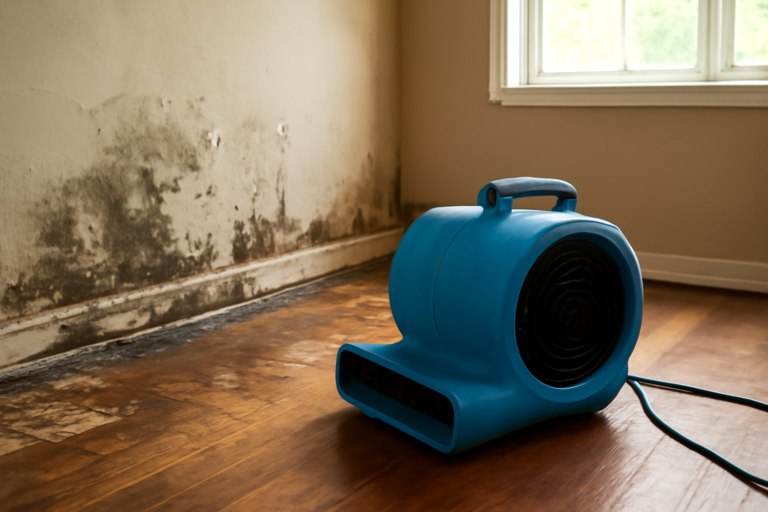
After cleaning and disinfection, our team will use industrial-strength drying equipment and dehumidifiers to remove any remaining moisture from the affected area. This step is crucial in preventing mold growth and ensuring a safe and healthy environment. We’ll dry your property completely, and you’ll be able to return to your normal routine sooner.
Step 5: Restoration and Reconstruction
Once the affected area is dry and clean, our team will begin the restoration and reconstruction process. This may involve repairing or replacing damaged walls, flooring, or other structures. We’ll work with you to ensure that your property is restored to its original condition, addressing any underlying issues that led to the backup. We’ll work tirelessly to restore your property and get you back to normal.
Don’t wait any longer to address the septic tank backup water removal issue on your property. Call us now to schedule an emergency appointment and let our team take care of the rest.

Warning Signs You Need Septic Tank Backup Water Removal
Catching the signs of a septic tank backup early on can save you money and prevent bigger problems. Here are some warning signs to look out for:
Musty Odors That Won’t Go Away
Don’t ignore musty odors in your home, as they can show a septic system failure. If the smell persists despite your best efforts to remove it, it’s time to call a professional. Our team will assess the situation and provide a solution to restore your property to its original condition.
Slow Draining Fixtures
Slow draining fixtures can be a sign of a clogged or failing septic system. If you notice that your sinks, toilets, or showers are draining slowly, it’s essential to address the issue quickly. Our technicians will diagnose the problem and provide a solution to restore your septic system to proper functioning.
Backed-Up Toilets
Backed-up toilets are a clear indication of a septic system failure. If you notice that your toilets are backing up or not flushing properly, it’s time to call a professional. Our team will assess the situation and provide a solution to restore your septic system to proper functioning.
Septic Odors Near the Septic Tank
Don’t ignore septic odors near the septic tank, as they can show a problem with the system. If you notice a strong sewage smell near the septic tank, it’s essential to address the issue quickly. Our technicians will diagnose the problem and provide a solution to restore your septic system to proper functioning.
Water Backing Up into Your Home
Water backing up into your home is a clear indication of a septic system failure. If you notice that water is backing up into your home, it’s time to call a professional. Our team will assess the situation and provide a solution to restore your septic system to proper functioning.
Septic Tank Backup Water Removal vs. DIY: When to Call a Professional
| Situation | DIY? | Call a Pro? | Why |
|---|---|---|---|
| Musty odors won’t go away | Yes | Yes | DIY methods may not address underlying issues, leading to further damage. |
| Slow draining fixtures | No | Yes | DIY methods can exacerbate the problem, leading to costly repairs down the line. |
| Backed-up toilets | No | Yes | DIY methods can lead to further damage and health risks, making it essential to call a professional. |
| Septic odors near the septic tank | Yes | Yes | DIY methods may not address underlying issues, leading to further damage and health risks. |
| Water backing up into your home | No | Yes | DIY methods can lead to further damage, health risks, and costly repairs down the line. |
| Visible sewage or water damage | No | Yes | DIY methods can lead to further damage, health risks, and costly repairs down the line. |
With septic tank backup water removal, there’s no room for DIY tries. Call a professional to ensure the job is done correctly and safely, and to prevent further damage and health risks.
Septic Tank Backup Water Removal Cost in Gibraltar, MI
The cost of septic tank backup water removal in Gibraltar, MI, can vary depending on the severity of the damage, the size of the affected area, and local conditions. Here’s a rough estimate of what you can expect to pay:
| Service | Typical Price Range | What Affects Cost |
|---|---|---|
| Water extraction | $500 – $2,500 | Size of the affected area, severity of the damage, and equipment usage. |
| Cleaning and disinfection | $1,000 – $5,000 | Size of the affected area, type of surfaces, and equipment usage. |
| Drying and dehumidification | $500 – $2,000 | Size of the affected area, type of equipment used, and duration of the process. |
| Restoration and reconstruction | $2,000 – $10,000 | Size of the affected area, type of repairs needed, and equipment usage. |
| Septic system inspection and repair | $500 – $2,000 | Severity of the damage, size of the affected area, and equipment usage. |
Exact pricing will depend on an on-site assessment, and we offer free estimates for all our services. Contact us to schedule an appointment and get a quote for your specific situation.
Service Areas Near Gibraltar, MI
We serve the following areas near Gibraltar, MI: Grosse Ile, Trenton, Wyandotte, Riverview, Brownstown, Woodhaven, Romulus, Van Buren Township, Huron Township, and more.
Common Questions About Septic Tank Backup Water Removal
Q: What causes septic tank backup water removal?
A: Septic tank backup water removal is usually caused by a clogged or failing septic system, which can be due to a variety of factors, including inadequate maintenance, poor drainage, or excessive water usage. Our team will assess the situation and provide a solution to restore your septic system to proper functioning.
Q: How long does septic tank backup water removal take?
A: The duration of septic tank backup water removal depends on the severity of the damage, the size of the affected area, and the equipment usage. Our team will provide a timeline for the process and ensure that it’s completed as quickly and efficiently as possible.
Q: Is septic tank backup water removal covered by insurance?
A: Insurance coverage for septic tank backup water removal varies depending on your policy and provider. We recommend checking with your insurance company to see if you’re covered. Our team will work with you to ensure that the process is handled smoothly and efficiently.
Q: What about health risks associated with septic tank backup water removal?
A: Health risks associated with septic tank backup water removal are real and can be severe. That’s why it’s essential to address the issue quickly and call a professional to ensure the job is done correctly and safely. Our team will take every precaution to protect you and your family’s health.
Q: Can I prevent septic tank backup water removal?
A: Preventing septic tank backup water removal is possible with regular maintenance and inspections. Our team will recommend a schedule for maintenance and inspections to ensure that your septic system remains in good working condition.
Check Our Other Relevant Services
- Hydrostatic Pressure Water Removal in Gibraltar, MI
- Basement Water Damage Restoration in Gibraltar, MI

Jimmy Brummitt is a licensed property recovery specialist with over 20 years of hands-on experience in the disaster restoration industry. As a veteran in the field, Jimmy is recognized for his technical precision and authoritative knowledge, helping residential and commercial clients navigate the complexities of structural recovery while adhering to the highest safety and compliance standards.
𝗖𝗲𝗿𝘁𝗶𝗳𝗶𝗰𝗮𝘁𝗶𝗼𝗻𝘀: Jimmy is highly credentialed through the IICRC, holding specialized certifications in Water Damage Restoration (WRT), Mold Remediation (AMRT), Applied Structural Drying (ASD), Odor Control (OCT), and Fire and Smoke Restoration (FSRT).
𝗙𝗮𝘃𝗼𝗿𝗶𝘁𝗲 𝗣𝗮𝘀𝘁𝗶𝗺𝗲: An avid outdoorsman and classic car enthusiast, Jimmy enjoys spending his weekends fishing or working in his garage on vintage automotive restoration projects.
𝗕𝗲𝘀𝘁 𝗣𝗮𝗿𝘁 𝗼𝗳 𝘁𝗵𝗲 𝗝𝗼𝗯: Jimmy finds the most reward in the “human element” of the job. He prides himself on being a steady, calming presence for families in crisis, guiding them through the recovery process to ensure their home is once again a safe haven.