Detroit, MI · Wayne County
Smoke Damage Assessment in Detroit, MIHVAC System Smoke Contamination Check & Smoke Residue Analysis
Smoke Damage Assessment in Detroit covers smoke odor source detection, HVAC system smoke contamination check and emergency smoke damage tarping.
Answered 24/7
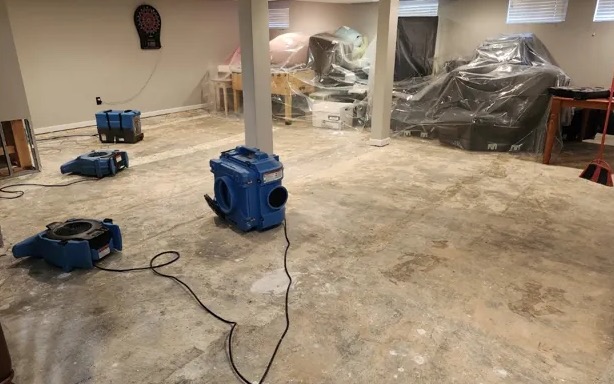
Professional Smoke Damage Assessment in Detroit, MI
A fire in Detroit often leaves smoke damage on electronics, fabrics and air ducts. Without proper assessment, soot keeps breaking down materials and odors return, so a careful evaluation comes first.
Homes in Detroit and nearby areas like Hamtramck, Highland Park and River Rouge often need a detailed assessment after smoke damage. Local smoke odor experts evaluate soot on contents, the structure and air quality, including odor sources and HVAC systems, to plan a full recovery.
Smoke Damage Assessment and Inspection Services in Detroit
HVAC System Smoke Contamination Check
Soot coats duct interiors and coils and keeps releasing odor. Pros inspect the whole system to set the cleaning needed in Detroit.
Smoke Residue Analysis
Analysis shows the chemical makeup of soot so the experts can choose cleaners that will not cause further damage, and the results support your claim.
Soot Damage Assessment for Contents
Pros test cleaning methods on hidden spots first so sensitive items are not damaged, then plan cleaning for everything affected in Detroit.
Post-Fire Surface Damage Evaluation
The evaluation avoids replacing items that can be saved and produces an itemized plan with photos for your records.
Smoke Residue Testing
Pros check pH and chemical content, not just appearance, to plan cleaning that will not cause damage and to find residue hidden in vents.
When to Schedule a Smoke Damage Assessment for Your Home
Condensation of Soot on Cool Surfaces
Soot on mirrors, windows or tile shows smoke particles condensed on cooler surfaces.
Persistent Smoke Odors After Airing
A smoky smell that comes back after airing out the house means residue is embedded in surfaces.
Smoke Stains on Air Vents
Dark streaks around supply and return vents mean smoke has moved through the ductwork.
Smoke Odor Returns After Cleaning
A smoke smell that returns soon after cleaning means the source is deeper in the house.
How Smoke Damage Assessment Works in Detroit
Step 1: Emergency Smoke Damage Tarping
The pros tarp openings so more soot and weather do not get in during the assessment.
Step 2: Structural Smoke Inspection
Pros inspect walls, ceilings and framing to see how far smoke reached and which soot types are present.
Step 3: Soot Damage Assessment for Contents
Every affected item is evaluated to decide what can be cleaned, restored or must be replaced.
Step 4: Post-Fire Air Quality Testing
Pros measure particles in the air to guide the cleanup plan and confirm what needs treatment.
What Leads to Severe Smoke Damage Assessment
High Heat Driving Smoke Into Materials
High heat forces smoke particles into the smallest pores of walls, floors and furniture.
Water Used During Firefighting
Firefighting water mixes with soot and spreads stains and residue further through the house.
Improper Post-Fire Ventilation
Poor ventilation after a fire lets residue settle and bond more firmly to surfaces.
Incomplete Combustion From Smoldering
Smoldering fires produce large amounts of smoke that soak deep into porous materials.
Residential and Commercial Smoke Damage Assessment in Detroit
Residential Smoke Damage Assessment
Home assessments often find smoke in closets and between floorboards, and residue testing then sets the right cleaning method.
Commercial Smoke Damage Assessment
Warehouses need checks of high ceilings, racks and wiring for corrosive residue that could cause equipment failures later.
Professional Smoke Damage Assessment or DIY Cleanup in Detroit
You can vacuum loose soot from upholstery and carpet with a HEPA vacuum and change the HVAC filter right away. For odor in drywall or wood, call the pros, since the wrong cleaning can set stains.
Evaluating Smoke Damage Assessment Cost for Detroit Properties
Your final cost in Detroit is set after the first inspection shows the full scope, including cleaning and odor removal.
Property Size
Larger homes in Detroit have more space to test and inspect, which takes more time.
Air Quality Testing
Testing air in several zones adds sampling and lab analysis to the job.
Emergency Measures
Emergency tarping done before the assessment is part of the overall cost.
Does Insurance Cover Smoke Damage Assessment?
Insurance may cover the assessment if your policy includes fire damage. The experts document contents and HVAC contamination, and odor removal coverage varies by plan.
Selecting Smoke Odor Experts in Detroit for Smoke Damage Assessment
Structural Integrity Inspection
A structural inspection finds hidden damage in building materials before any repairs.
24/7 Emergency Response
Smoke damage spreads quickly, and the experts can start an inspection at any hour.
Content Damage Analysis
Belongings are inspected to decide what can be cleaned and what needs other care.
24/7 Emergency Smoke Damage Assessment in Detroit
Lasting smoke smells need prompt investigation. Call (313) 766-2970 for the experts who can trace the source in Detroit.
Call Now (313) 766-2970Local Smoke Damage Assessment Covering Detroit, Hamtramck, Highland Park and River Rouge
Residents of Detroit and nearby communities including Hamtramck, Highland Park and River Rouge can get a full assessment to guide smoke cleanup.
Frequently Asked Questions About Smoke Damage Assessment
Are smoke smells a health concern after a fire?
Odors can signal lingering particles, and air testing during the assessment can show any immediate problem.
How long does a typical assessment take?
It depends on size and damage, but a full assessment of an average home often takes several hours.
Can assessment determine if contents are salvageable?
It gives a first evaluation, but final decisions often come after professional cleaning is tried.
Why is smoke odor so difficult to remove?
Smoke particles soak deep into porous materials and linger in HVAC systems, so finding every source takes professional tools.
What is the goal of smoke odor source detection?
To find where smoke smells come from, which is essential for planning odor removal that lasts.