Plymouth, MI · Wayne County
Standing Water Extraction in Plymouth, MIGroundwater Flood Extraction & Post-Flood Sanitization
In Plymouth, Standing Water Extraction covers groundwater flood extraction, emergency water pump out, and flooded room drying.
Answered 24/7
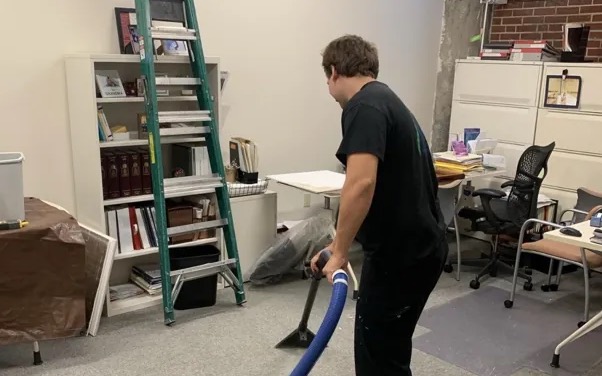
Standing Water Extraction for Plymouth Residents
Standing water in Plymouth homes weakens floors and walls and can lead to mold within days. Water extraction experts remove it with industrial pumps and dry the structure to industry standards.
Businesses in Plymouth, Northville, Canton and Westland lose money while water sits on the floor. The pros bring high-capacity pumps and dryers to remove it after roof or plumbing leaks.
Detailed Standing Water Extraction Solutions for Plymouth
Groundwater Flood Extraction
When the water table rises, water seeps in faster than you can mop. Pros pump out the bulk water and dry the space to slow further seepage.
Post-Flood Sanitization
After water extraction, sanitization addresses potential contaminants left behind. Surfaces are cleaned and treated with professional-grade antimicrobial agents to reduce bacteria and mold spores, completing the restoration by making the area hygienic for reoccupancy.
Appliance Leak Water Removal
Appliance leak water removal extracts water from failed water heaters or washing machines.
Crawl Space Water Extraction
Crawl space water extraction requires low-profile equipment to access standing water. After removal, focused drying combats the damp environment to protect substructures.
Laundry Room Water Extraction
Water from a laundry room overflow often runs under cabinets and into the next room. Pros extract it, move the appliances if needed and start drying.
How to Know You Need Standing Water Extraction
Water Rising From Floor Drains
Water coming up through a floor drain means the drain is blocked or overloaded. It needs to be pumped out and the drain cleared.
Commercial Floor Flooding
Water on retail or office floors is a slip hazard and can force a business to close.
Standing Water After Flood
Water still sitting days after a flood needs extraction, drying and sanitizing.
Musty Odor in Rooms
A persistent earthy smell often means water is collecting somewhere you cannot see.
How Standing Water Extraction Works in Plymouth
Step 1: Source Identification and Containment
The process begins by locating the water entry point and stopping the flow, whether from plumbing, appliances, or groundwater.
Step 2: Standing Water Extraction
Pumps and extractors remove the bulk of the water from the basement floor and any rooms above it.
Step 3: Structural Drying and Monitoring
Professional-grade dehumidifiers and air movers create drying conditions, with moisture meters used to verify that materials are drying properly.
Step 4: Documentation for Insurance
Throughout the water extraction service, photos and moisture readings are recorded to support your property damage insurance claim.
Common Causes of Water Damage in Plymouth
HVAC Condensate Overflow
A clogged condensate drain makes the air handler overflow onto the floor.
Natural Groundwater Rise
Soil that stays saturated after long wet spells can push water up through cracks in slab floors.
Flash Flooding Events
Sudden flooding from nearby creeks and rivers can put water inside homes quickly.
Fire Suppression System Activation
An accidental fire sprinkler discharge releases a lot of water at once.
Both Home and Business Standing Water Extraction Available
Residential Standing Water Extraction
Groundwater intrusion or a burst pipe requires professional remove standing water services. The experts deploy submersible pumps for basement standing water removal and use air movers for thorough drying.
Commercial Standing Water Extraction
The pros make electrical safety the first priority in flooded commercial buildings, then remove the water and dry the space to protect stock, equipment and servers.
Standing Water Extraction vs. DIY: When to Call Flood Cleanup Pros
If safe to do so, you can shut off the main water valve to stop the flow. Remove easily portable items like rugs and furniture from the wet area. Use a wet/dry vacuum on clearly visible surface water, but avoid electrical hazards. For any water deeper than an inch, or if the source is unknown, call the pros for professional standing water extraction.
Understanding Standing Water Extraction Expenses
The pros assess the situation to provide an estimate. Factors include the depth of standing water, the number of rooms flooded, and the materials like carpet or hardwood that require drying.
Post-Extraction Services
Additional steps like sanitization or minor repairs identified during water removal will be factored into the overall restoration estimate.
Materials Affected
Porous materials like drywall and carpet hold more water and often must be removed, which adds to the job.
Emergency Response Timing
Services needed outside standard hours for flood cleanup may involve different operational costs for the pros.
Does Insurance Cover Standing Water Extraction?
Flood cleanup after a plumbing failure often involves an insurance claim, but homeowners should verify coverage with their provider. The role of local pros is to perform the standing water removal and provide clear evidence of the loss, including moisture mapping and photos.
Advantages of Professional Standing Water Extraction
IICRC-Standard Extraction Methods
Pros follow industry drying standards to remove water fully, which helps prevent mold and secondary damage.
Structured Drying Process
Drying is tracked with readings each day until the floor and walls are actually dry.
24/7 Emergency Response
Help is available around the clock, so standing water can be removed before it soaks further into floors and walls.
Urgent Standing Water Extraction Response Available
Standing water causes more damage every hour. For emergency flood cleanup in Plymouth, call (313) 766-2970 now. The pros are available 24/7 to start the pump out and drying process to protect your property.
Call Now (313) 766-2970Locations for Standing Water Extraction Work
Crawl space water extraction and post-flood sanitizing are available in Plymouth and nearby areas including Northville, Canton and Westland.
- Standing Water Extraction in Northville
- Standing Water Extraction in Canton
- Standing Water Extraction in Westland
- Standing Water Extraction in Livonia
- Standing Water Extraction in Novi
- Standing Water Extraction in Farmington Hills
- Standing Water Extraction in Redford
- Standing Water Extraction in Inkster
- Emergency Damage Restoration in 48170
- Storm Damage Restoration in 48170
- Water Damage Restoration in 48170
- Water Extraction Service in 48170
- Water Leak Detection in 48170
- Water Removal Service in 48170
Frequently Asked Standing Water Extraction Questions
What is the process for standing water extraction?
The process begins with an assessment and water removal using powerful pumps. Then, industrial air movers and dehumidifiers dry the area, followed by moisture monitoring to confirm it's dry.
Why is crawl space water extraction important?
Water in a crawl space damages foundation piers, can grow mold under the home and sends musty odors into living spaces.
How long does groundwater flood extraction take?
Groundwater flood extraction time varies by volume and area. The pumping itself may take hours, but the complete drying process often takes several days of monitored effort.
What is the first step in home flood cleanup?
Turn off electricity to the affected area if it is safe, then call pros so water removal can start early.
Is post-flood sanitization always necessary?
Post-flood sanitization is recommended after most flooding events, especially if the water was contaminated, to disinfect surfaces and inhibit mold after drying is complete.