ZIP 48130 · Dexter, MI · Washtenaw County
Storm Damage Restoration in 48130Hail Damage Leak Cleanup & Storm Damage Water Extraction
Storm Damage Restoration in Dexter covers emergency roof tarping, hail damage leak cleanup and storm damage water extraction for homes and businesses.
Answered 24/7
Help With Storm Damage in 48130
A tree limb through the roof, a window blown in or water under the doors can all leave a home wet in several rooms at once.
Storm damage restoration is available in Dexter and nearby Chelsea, Ann Arbor and Pinckney. The pros handle board-up, tarping, water extraction and drying after storms of any size.
Storm Damage Cleanup Services in 48130, MI
Hail Damage Leak Cleanup
After a hailstorm, leaks may not show for days. Ceiling stains and wet insulation are checked and dried, and the damaged spots are noted for the roofer.
Storm Damage Water Extraction
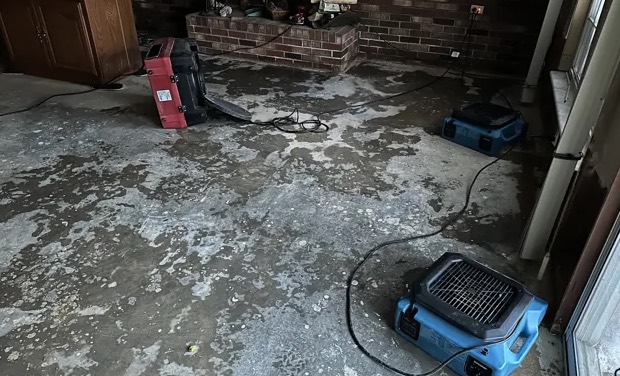
After a storm, water is extracted room by room with pumps and extractors, starting with the areas where it is deepest.
Debris Removal After Storm
Storm debris inside a home is bagged and removed first. Floors and walls under it are then cleaned and checked for moisture.
Wind-Driven Rain Drying
Strong wind pushes rain sideways through window frames, vents and siding joints. The pros dry the wall cavities and floors that this water reached.
Emergency Board Up Services
Broken windows and doors are covered with plywood so rain and wind stop coming in and the home is secure while drying runs.
Signs You Need Storm Damage Restoration
Dripping From Light Fixtures
Water coming through a light or fan means it has pooled above the ceiling. Turn off that circuit and keep people clear.
Missing or Lifted Shingles
Shingles on the lawn or lifted at the edges after a storm mean the roof deck is exposed to the next rain.
Broken Windows or Doors
Any broken glass or damaged door lets rain and wind in. The opening needs to be covered before drying can work.
Mud or Debris Indoors
Mud, leaves or glass inside the house mean storm water came in from outside and floors need cleaning as well as drying.
How Storm Damage Restoration Works in 48130
Step 1: Damage Walkthrough
The pros check every room, the attic and the outside of the house to see where water got in and how far it spread.
Step 2: Cover the Openings
Tarps and plywood go over damaged roof sections, windows and doors before extraction starts.
Step 3: Remove Soaked Materials
Carpet pad, insulation and drywall that are too wet to dry in place are cut out and bagged.
Step 4: Document for the Claim
Photos, moisture readings and a list of removed materials are put together for you to share with your insurer.
Where Storm Water Gets Into a House
Roof Damage From Wind
High winds lift and tear shingles and flashing, exposing the roof deck to rain that soaks into the attic.
Overflowing Gutters
Heavy rain can overflow clogged or undersized gutters, sending water down walls and toward the foundation.
Flying Debris
Outdoor furniture, signs and branches carried by wind can break glass and doors and let rain into the home.
Fallen Trees and Limbs
Branches and trees that fall on a house can open the roof or break windows, letting rain straight in.
Residential and Commercial Storm Damage Restoration in 48130
Residential Storm Damage Restoration
In homes with finished basements, storm water can soak carpet, drywall and storage. The pros pump out the water, remove soaked finishes and dry the walls and slab.
Commercial Storm Damage Restoration
Commercial buildings with basement storage or mechanical rooms get pump-out, removal of wet materials and drying of the floor and walls.
Storm Cleanup: DIY or Professional?
Move furniture, electronics and rugs away from wet areas and out from under leaks. Set buckets under drips and lay towels to keep water from spreading.
What Storm Damage Restoration Costs in 48130
Storm water from outside can carry dirt, which means more cleaning and sometimes more material removal than a clean water leak.
Drying Time
Each extra day of air movers, dehumidifiers and moisture checks adds to the cost, especially in wet attics and wall cavities.
Water Source
Rain coming through a roof is cleaner than floodwater from outside. Dirty water means more cleaning and removal of porous materials.
Rooms Affected
Each wet room needs extraction, drying equipment and moisture checks, so the number of rooms sets much of the cost.
Does Insurance Cover Storm Damage Restoration?
Insurance may pay for board-up, tarping, extraction and drying after a covered storm. Your insurer decides what is covered, so check your policy and deductible.
Reasons to Use Local Pros for Storm Cleanup
Drying to Measured Targets
Drying ends when readings show walls and floors are dry, not when the surface looks dry.
Hidden Water Found
Moisture meters and thermal cameras find water in walls, attics and under flooring that is not visible after a storm.
Notes for Other Trades
Roof, window and siding damage is noted with photos, so roofers and contractors know where water got in.
Storm Water Inside Your 48130 Home Right Now?
If water is coming through the ceiling or under the doors after a storm, turn off power to wet areas if it is safe and call (313) 766-2970.
Call Now (313) 766-2970Storm Damage Restoration Coverage in 48130, Washtenaw County
Homes in Dexter and nearby places such as Chelsea, Ann Arbor and Pinckney can get help with board-up, tarping, water extraction and drying after storms.
Questions About Storm Damage Restoration
What does storm damage restoration cost?
It depends on how many rooms got wet, whether board-up and tarping are needed and how long drying takes. The pros price the job after seeing the damage.
Does insurance cover storm damage?
Many policies cover damage from wind and hail. Flooding from rising water outside usually needs a separate flood policy. Your insurer decides coverage.
Is storm water dirty?
Rain coming through a roof is usually clean at first. Water that came in from outside across the ground is treated as dirty and needs cleaning as well as drying.
How do the pros find water inside walls after a storm?
They use moisture meters and thermal cameras along exterior walls, under windows and in the attic to find water that is not visible.
Can storm damage lead to mold?
It can if materials stay wet for a day or two. Prompt extraction, removal of soaked insulation and measured drying keep that from happening.