Trusted by 190+ Homeowners
Subfloor Water Extraction in Auburn Hills, MI
- Over 193 5-Star Reviews
- Free Estimates and Quotes
- 100% Satisfaction Guaranteed
- Child, Family & Pet Safe Steps
- 24-Hour Emergency Service
- Fully Licensed & Insured

Preventing Water Damage in Your Auburn Hills, MI Home
Spring showers and snowmelt can be beautiful, but they also bring a risk of water damage to your home’s subfloor. In Auburn Hills, MI, the area’s high water table and heavy precipitation make it essential to be proactive about subfloor water extraction. You want to protect your investment, right? Here’s the thing: water damage can happen quickly, and the longer you wait, the more extensive the damage becomes. Strong, localized flooding in the area can lead to standing water in your basement or crawlspace, causing costly repairs down the line. So, let’s talk about preventing water damage and what to do when it happens.
Our team has helped over 165 homeowners in Auburn Hills, MI, and surrounding areas with their subfloor water extraction needs. They trust us because we understand the importance of getting it right the first time. Our crews are IICRC certified and committed to delivering exceptional results every time.
- Prevent water damage by checking your home’s gutters and downspouts regularly to ensure they’re clear and functioning properly.
- Inspect your home’s foundation and walls for cracks or signs of water damage, and address them quickly.
- Install a sump pump or backup system to help manage water accumulation in your basement or crawlspace.
How Our Subfloor Water Extraction Process Works
When water damage strikes, it’s essential to act quickly. Our team’s subfloor water extraction process is designed to reduce downtime and get your home back to normal as soon as possible. We’ll work with you to identify the source of the water and develop a customized plan for extraction and drying. Our equipment and techniques are specifically designed for subfloor water extraction, not just general water removal.
Step 1: Inspection and Assessment
Our technicians will inspect your home’s subfloor to find out the extent of the damage and identify the source of the water. This helps us develop an effective plan for extraction and drying. We’ll also check for any potential structural damage or safety hazards.
Step 2: Water Extraction
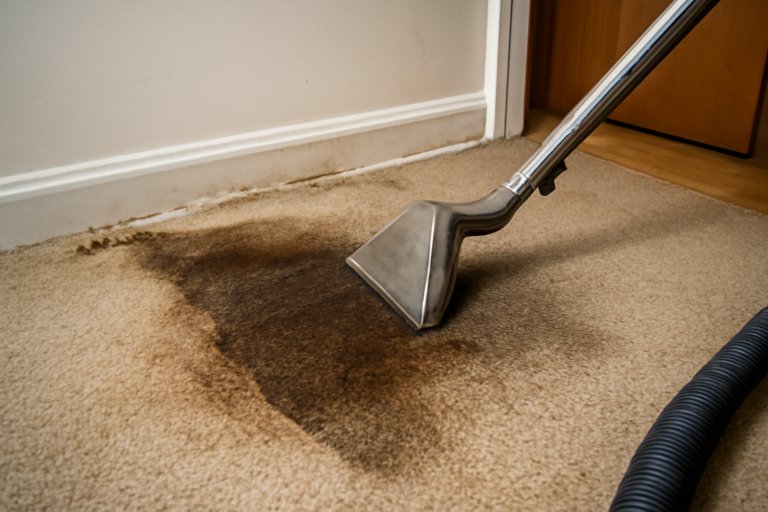
We’ll use specialized equipment, such as wet/dry vacuums and pumps, to extract as much water as possible from your subfloor and surrounding areas. This helps reduce the risk of further damage and promotes a faster drying process.
Step 3: Drying and Dehumidification
Our equipment will help remove excess moisture from the air and your subfloor, reducing the risk of mold and mildew growth. We’ll also use high-velocity fans to speed up the drying process and get your home back to normal faster.
Step 4: Monitoring and Cleanup
Our technicians will monitor your home’s drying progress and make any necessary adjustments to the equipment. We’ll also clean and disinfect your subfloor to remove any remaining water and debris.
Step 5: Final Inspection and Report
Once the drying process is complete, our technician will conduct a final inspection to ensure your home is safe and dry. We’ll also provide you with a detailed report and recommendations for any more repairs or maintenance.
Don’t let standing water in your subfloor lead to costly repairs. Contact us today to schedule a consultation and let our team help you prevent water damage and get your home back to normal.

Warning Signs You Need Subfloor Water Extraction
Catching water damage early can save you a lot of money and prevent bigger problems. Look out for these warning signs:
Musty Odors That Won’t Go Away
Strong, persistent odors can show the presence of mold and mildew. Don’t ignore it, address the issue quickly to prevent long-term health risks.
Water-Stained Walls or Floors
Discoloration or warping on your walls or floors can be a sign of water damage. Inspect your home’s foundation and walls regularly to catch these issues early.
Saturated Flooring or Carpets
Standing water or persistent dampness in your flooring or carpets can lead to costly repairs and health risks. Don’t wait, address the issue quickly.
Water-Damaged Insulation or Drywall
Exposure to water can compromise your home’s insulation and drywall, leading to costly repairs and energy inefficiency.
Visible Water Stains or Leaks
Visible signs of water damage, such as water stains or leaks, show a more significant issue. Inspect your home’s roof, gutters, and downspouts regularly to prevent these problems.
Unusual Sounds or Vibrations
Unusual sounds or vibrations from your home’s foundation or walls can show structural damage or water accumulation. Don’t ignore it, address the issue quickly.
Subfloor Water Extraction vs. DIY: When To Call a Professional
| Situation | DIY? | Call a Pro? | Why |
|---|---|---|---|
| Standing water in your subfloor exceeds 1 inch deep | No | Yes | Excess water can lead to structural damage and long-term health risks. |
| Water damage affects a small area (less than 10 sq. Ft.) | Yes | No | Small areas can be addressed with DIY equipment and techniques. |
| You’re unsure about the source of the water or the extent of the damage | No | Yes | Our team can help identify the source and develop an effective plan for extraction and drying. |
| Water damage affects multiple levels of your home or multiple rooms | No | Yes | Our team has the equipment and expertise to handle larger, more complex water damage jobs. |
| Water damage compromises your home’s insulation or drywall | No | Yes | Exposure to water can compromise your home’s energy efficiency and structural integrity. |
| You’re not comfortable with the risks and uncertainties of DIY water extraction | No | Yes | Our team has the training and equipment to handle water extraction safely and effectively. |
Don’t take the risk of DIY water extraction, call a professional when you face any of these situations. Our team is here to help you prevent water damage and get your home back to normal.
Subfloor Water Extraction Cost in Auburn Hills, MI
The cost of subfloor water extraction can vary depending on the severity of the damage, the size of the affected area, and local conditions in Auburn Hills, MI. Here are some estimated price ranges for common subfloor water extraction services:
| Service | Typical Price Range | What Affects Cost |
|---|---|---|
| Water extraction and drying | $500 – $2,500 | Severity of damage, size of affected area |
| Inspection and assessment | $100 – $500 | Complexity of the job, location of the damage |
| Equipment rental and setup | $100 – $500 | Type of equipment needed, duration of the job |
| Dehumidification and drying | $200 – $1,000 | Severity of moisture damage, size of affected area |
| Clean-up and disinfection | $100 – $500 | Type of debris, level of contamination |
| Final inspection and report | $100 – $200 | Complexity of the job, level of detail required |
Exact pricing depends on an on-site assessment. We offer free estimates to help you budget for the work.
Service Areas Near Auburn Hills, MI
Our team serves the following areas: Clawson, Rochester, Rochester Hills, Oakland Township, Bloomfield Hills, Troy, Birmingham, West Bloomfield, Beverly Hills, Bingham Farms, Franklin, Southfield, Lathrup Village, Royal Oak, Ferndale, Hazel Park, Madison Heights, Huntington Woods, Pleasant Ridge, Oak Park, Northville, Novi, Wixom, Livonia, Farmington Hills, Farmington.
Common Questions About Subfloor Water Extraction
How long does the water extraction process take?
The length of the water extraction process depends on the severity of the damage, the size of the affected area, and the type of equipment used. Typically, the process can take anywhere from a few hours to several days. Our team will work with you to develop a customized plan and provide regular updates on the progress.
Will I need to replace my subfloor?
In some cases, yes, it may be necessary to replace your subfloor if the damage is extensive or has compromised its structural integrity. But, our team will assess the damage and recommend the best course of action to get your home back to normal.
Can I still use my home during the water extraction process?
It’s generally recommended to avoid using your home during the water extraction process to prevent further damage or safety risks. Our team will work with you to develop a plan that reduces disruption to your daily life.
How can I prevent water damage in the future?
Regular maintenance is key to preventing water damage. Inspect your home’s gutters and downspouts regularly, check for cracks in your foundation and walls, and address any signs of water damage quickly. Our team can also provide recommendations for long-term prevention and maintenance.
Check Our Other Relevant Services

Jimmy Brummitt is a licensed property recovery specialist with over 20 years of hands-on experience in the disaster restoration industry. As a veteran in the field, Jimmy is recognized for his technical precision and authoritative knowledge, helping residential and commercial clients navigate the complexities of structural recovery while adhering to the highest safety and compliance standards.
𝗖𝗲𝗿𝘁𝗶𝗳𝗶𝗰𝗮𝘁𝗶𝗼𝗻𝘀: Jimmy is highly credentialed through the IICRC, holding specialized certifications in Water Damage Restoration (WRT), Mold Remediation (AMRT), Applied Structural Drying (ASD), Odor Control (OCT), and Fire and Smoke Restoration (FSRT).
𝗙𝗮𝘃𝗼𝗿𝗶𝘁𝗲 𝗣𝗮𝘀𝘁𝗶𝗺𝗲: An avid outdoorsman and classic car enthusiast, Jimmy enjoys spending his weekends fishing or working in his garage on vintage automotive restoration projects.
𝗕𝗲𝘀𝘁 𝗣𝗮𝗿𝘁 𝗼𝗳 𝘁𝗵𝗲 𝗝𝗼𝗯: Jimmy finds the most reward in the “human element” of the job. He prides himself on being a steady, calming presence for families in crisis, guiding them through the recovery process to ensure their home is once again a safe haven.