Highland Park, MI · Wayne County
Temperature-Controlled Drying in Highland Park, MIThermal Drying For Water Damage & Water Damage Drying Logs
In Highland Park, Temperature-Controlled Drying from local moisture control experts covers climate-controlled drying systems, moisture mapping, and drying equipment deployment to dry a structure effectively.
Answered 24/7
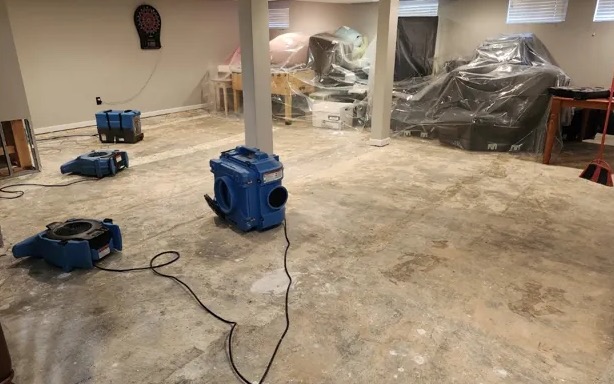
Professional Temperature-Controlled Drying in Highland Park, MI
In Highland Park, water trapped in subfloors, wall cavities or behind cabinets dries slowly because the air there does not move.
In Highland Park and nearby Hamtramck, Ferndale and Madison Heights, local pros map moisture in walls and subfloors, then fit thermal drying and humidity control to the materials in the building.
Specialized Temperature-Controlled Drying Offerings in Highland Park, MI
Thermal Drying for Water Damage
Controlled heat combats water damage in hard-to-dry areas like enclosed cavities. Expert calibration of drying equipment avoids harm to sensitive contents.
Water Damage Drying Logs
The experts create detailed, timestamped drying logs. These records track initial readings, daily progress, and final verification, providing proof that industry-standard drying was followed.
Climate-Controlled Drying Systems
Advanced systems allow precise manipulation of the drying environment. By controlling the dew point, the experts can aggressively dry contents without risk.
Rapid Structural Drying Services
The experts aim air movers at wet studs, joists and subfloors to dry the structure safely.
Air Mover Placement for Drying
Expert deployment of air movers displaces the saturated air layer clinging to wet materials. Proper placement helps ensure every surface receives directed airflow, the engine of evaporation.
Symptoms Needing Temperature-Controlled Drying in Highland Park
Visible Mold Growth in Corners
Black, green or white specks in damp corners or on baseboards are usually mold, which means moisture has been there a while.
Cracking of Plaster or Joints
Plaster or drywall joint tape develops new cracks or fissures. These cracks occur as wet materials swell and then contract during drying.
Soft Drywall or Sagging Ceiling
Drywall feels spongy to the touch or a ceiling sags downward. This softness means the material is saturated and structurally compromised.
Cold, Damp Feeling in a Room
A room feels noticeably colder and damper than the rest of the house. This sensation is often due to evaporative cooling from wet materials.
How Temperature-Controlled Drying Works in Highland Park
Step 1: Site Evaluation and Equipment Planning
The pros evaluate the site to determine the type and quantity of drying tools needed.
Step 2: Drying Equipment Setup
Industrial air movers and dehumidifiers are set up in the affected zones right away.
Step 3: Controlled Humidity Management
Dehumidifiers pull moist air out of the room, which keeps the air dry enough for materials to keep drying.
Step 4: Progress Tracking With Drying Logs
Temperature, humidity and moisture readings are recorded each day in a drying log.
Typical Reasons for Drying Needs in Highland Park
Sprinkler System Activation
A fire sprinkler discharges, releasing a large volume of water quickly. This event saturates entire areas and requires precise air mover placement and strategy.
HVAC System Condensation Issues
A clogged condensate drain line causes an overflow inside the air handler. This water can soak insulation and ductwork, creating a hidden moisture issue.
Storm-Driven Water Intrusion
Heavy rain overflows gutters or gets in around windows and soaks framing and insulation.
Poor Ventilation After a Flood
Closing up a wet room traps humid air, which slows drying and lets moisture soak further into materials.
Residential & Commercial Temperature-Controlled Drying in Highland Park
Residential Temperature-Controlled Drying
In condos and apartments, containment barriers and negative air machines keep moisture from moving into neighboring units while drying runs.
Commercial Temperature-Controlled Drying
Restaurants and food service businesses need rapid, sanitary drying to comply with health regulations after a water event. The pros use specialized equipment and antimicrobial treatments during the drying process.
Professional Temperature-Controlled Drying vs. Do-It-Yourself in Highland Park
Letting a room air dry for days risks mold and lets moisture wick into nearby materials. Air movers and dehumidifiers dry it in a fraction of the time.
Understanding Temperature-Controlled Drying Cost in Highland Park
In Highland Park, cost depends on how complex the moisture mapping is and how much equipment the area needs.
Humidity Control Measures
Controlling humidity in tight spaces often takes specialized drying equipment and frequent adjustments.
Drying Time Required
Longer drying periods for climate-controlled systems mean more equipment runtime and monitoring, impacting the overall cost of the restoration project.
Equipment Needs
The number and type of air movers, dehumidifiers and heaters used affect the cost.
Does Insurance Cover Temperature-Controlled Drying?
The experts keep moisture readings and drying logs to support a claim. Policies differ, so verify coverage with your insurance representative.
Selecting Moisture Control Experts for Temperature-Controlled Drying in Highland Park
Ongoing Moisture Monitoring
Regular checks with moisture meters verify that drying goals are met, helping ensure no residual dampness remains within walls or floors.
Strategic Equipment Deployment
Air movers and dehumidifiers are placed according to a plan for even airflow and low humidity.
Advanced Moisture Mapping
Moisture meters and thermal cameras find hidden wet pockets so every affected material is dried.
Emergency Moisture Control in Highland Park
Wet walls and floors keep getting worse until they are dried. Call local pros at (313) 766-2970 to set up drying equipment.
Call Now (313) 766-2970Local Temperature-Controlled Drying Coverage for Highland Park, Hamtramck, Ferndale and Madison Heights
Temperature-controlled drying is available for homes and businesses in Highland Park and nearby areas like Hamtramck, Ferndale and Madison Heights.
- Temperature-Controlled Drying in Hamtramck
- Temperature-Controlled Drying in Ferndale
- Temperature-Controlled Drying in Madison Heights
- Temperature-Controlled Drying in Oak Park
- Temperature-Controlled Drying in Royal Oak
- Temperature-Controlled Drying in Huntington Woods
- Temperature-Controlled Drying in Warren
- Temperature-Controlled Drying in Berkley
- Emergency Damage Restoration in 48203
- Storm Damage Restoration in 48203
- Water Damage Restoration in 48203
- Water Extraction Service in 48203
- Water Leak Detection in 48203
- Water Removal Service in 48203
Common Temperature-Controlled Drying Questions Answered
Can temperature-controlled drying prevent mold growth?
By rapidly removing moisture and controlling humidity, the process creates an environment where mold cannot thrive, significantly reducing the potential for mold.
How does humidity control aid in restoration?
Drier air pulls water out of wet materials faster, so lowering humidity speeds up drying.
What does drying equipment deployment involve?
Pros assess the loss, calculate how much equipment is needed and place air movers, dehumidifiers and sometimes heaters.
When is climate-controlled drying necessary versus regular drying?
Climate-controlled drying is necessary for severe losses, sensitive materials, or when precise environmental control is needed to prevent damage, unlike simple air drying for minor spills.
How does thermal drying for water damage work?
Thermal drying applies carefully managed heat to increase the evaporation rate of moisture trapped within materials, accelerating the drying process while monitored to prevent damage.