Pontiac, MI · Oakland County
Temperature-Controlled Drying in Pontiac, MIHumidity Control For Restoration & Rapid Structural Drying Services
Local moisture control experts provide Temperature-Controlled Drying in Pontiac, featuring drying equipment deployment, water damage drying logs, and moisture mapping for precise water damage recovery.
Answered 24/7
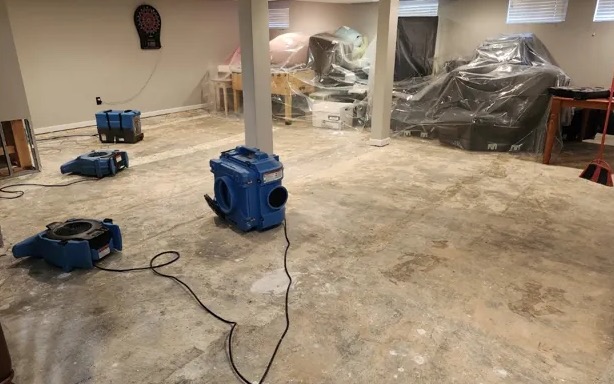
Temperature-Controlled Drying by Local Moisture Control Experts in Pontiac
In Pontiac, structural drying aims to bring materials back to their normal moisture level. Low humidity in the drying area helps pull moisture out of dense materials.
In Pontiac and nearby Auburn Hills, Bloomfield Township and Waterford Township, local pros map moisture in walls and subfloors, then fit thermal drying and humidity control to the materials in the building.
Specialized Temperature-Controlled Drying Offerings in Pontiac, MI
Humidity Control for Restoration
The experts keep humidity low in properties in Pontiac, so water evaporates from materials instead of soaking back in.
Rapid Structural Drying Services
Rapid drying protocols focus on core materials providing a building's strength. The pros implement these methods for wood, concrete, and steel.
Moisture Mapping
The experts take moisture readings at many points and depths to map every wet area and set drying goals, so nothing is missed.
Air Mover Placement for Drying
The tactical setup of air-moving equipment establishes cross-flow or focus drying patterns. The experts adjust the strategy daily based on monitoring data, repositioning units.
Drying Equipment Deployment
The experts in Pontiac position equipment to create the controlled environment. They set correct settings and may build containment barriers, turning the drying plan into action.
When to Call for Temperature-Controlled Drying in Pontiac, MI
Discoloration on Drywall or Ceilings
Yellow or brown water stains appear on surfaces that seem dry. These stains suggest moisture is still present inside the wall cavity.
Damp Odors Persisting After Water
A musty smell lingers even after visible water is gone, indicating hidden moisture. That odor often signals mold or trapped dampness.
High Humidity Readings Inside
A hygrometer showing unusually high indoor humidity after water damage means the building is still wet.
Equipment Running With No Result
Fans or dehumidifiers that run for days without drying the area mean the moisture is deeper than household equipment can reach.
How Temperature-Controlled Drying Works in Pontiac
Step 1: Site Evaluation and Equipment Planning
The pros evaluate the site to determine the type and quantity of drying tools needed.
Step 2: Drying Equipment Setup
Industrial air movers and dehumidifiers are set up in the affected zones right away.
Step 3: Controlled Humidity Management
Dehumidifiers pull moist air out of the room, which keeps the air dry enough for materials to keep drying.
Step 4: Progress Tracking With Drying Logs
Temperature, humidity and moisture readings are recorded each day in a drying log.
Causes of Persistent Dampness Requiring Controlled Drying in Pontiac
Inadequate Initial Water Extraction
Water left behind after a leak or flood moves into subfloors and walls, where it is harder to dry.
Undetected Plumbing Leaks
A slow drip behind a wall or under a slab saturates materials over time.
Overflowing Sinks or Bathtubs
A simple blockage or forgetfulness leads to an overflow event. Water spreads quickly, soaking cabinetry and flooring, and requires thorough drying equipment deployment.
Roof Leak During Heavy Rain
Wind-driven rain through a damaged roof or flashing can run down inside wall cavities, where it needs targeted drying.
Temperature-Controlled Drying for Homes and Businesses in Pontiac
Residential Temperature-Controlled Drying
Residential restoration focuses on saving personal items and preventing long-term odors in living areas and bedrooms. The specialists employ thermal drying for water damage to gently yet effectively dry contents and building materials.
Commercial Temperature-Controlled Drying
In commercial settings, uncontrolled humidity can damage sensitive electronics, documents, and finished goods. The pros implement humidity control for restoration to create optimal drying conditions for diverse materials.
Temperature-Controlled Drying: DIY Risks vs. Professional Care in Pontiac
Ventilating the area by opening windows can help if outdoor humidity is lower than indoors, but this is rarely controlled or sufficient. You can create a list of damaged items for a potential insurance claim.
What Affects Temperature-Controlled Drying Cost in Pontiac
In Pontiac, cost depends on how complex the moisture mapping is and how much equipment the area needs.
Structural Material Types
Porous materials like concrete or dense wood require more aggressive drying strategies and extended monitoring, influencing the project timeline and cost.
Access and Logistics
Challenging site access in Pontiac can complicate equipment deployment and placement, potentially increasing setup time and labor requirements.
Extent of Water Damage
The larger the area that needs drying, the more equipment and labor the job takes.
Does Insurance Cover Temperature-Controlled Drying?
Many homeowner policies cover temperature-controlled drying when it stems from a sudden, covered peril like a burst pipe. The experts document all damage with photos and moisture readings for your claim submission.
Why Choose Local Experts for Temperature-Controlled Drying in Pontiac
Structural Drying
The focus is on quickly extracting moisture from structural components to minimize warping, swelling, or the potential for mold growth.
IICRC-Standard Drying Methods
Drying follows industry guidelines and is checked with meters, which keeps framing and floors from staying wet.
Ongoing Moisture Monitoring
Regular checks with moisture meters verify that drying goals are met, helping ensure no residual dampness remains within walls or floors.
Emergency Temperature-Controlled Drying Response for Pontiac, MI
For thermal drying and moisture mapping in Pontiac, call (313) 766-2970 for help from the pros, day or night, and ask how they will track moisture until the materials are dry.
Call Now (313) 766-2970Temperature-Controlled Drying Serving Pontiac and Nearby Areas
Controlled drying with detailed drying logs is available in Pontiac, and near Auburn Hills, Bloomfield Township and Waterford Township.
- Temperature-Controlled Drying in Auburn Hills
- Temperature-Controlled Drying in Bloomfield Township
- Temperature-Controlled Drying in Waterford Township
- Temperature-Controlled Drying in West Bloomfield
- Temperature-Controlled Drying in Troy
- Temperature-Controlled Drying in Orion Township
- Temperature-Controlled Drying in Rochester
- Temperature-Controlled Drying in Lake Orion
- Emergency Damage Restoration in 48340
- Storm Damage Restoration in 48340
- Water Damage Restoration in 48340
- Water Extraction Service in 48340
- Water Leak Detection in 48340
- Water Removal Service in 48340
- Emergency Damage Restoration in 48341
- Storm Damage Restoration in 48341
Temperature-Controlled Drying Information and FAQs
Why is moisture mapping important for drying?
Sensors measure moisture across the affected area to show exactly where it is wet, so equipment is aimed at the right spots.
What materials benefit most from controlled drying systems?
Porous structural materials like drywall, wood framing, and concrete, as well as contents like documents and furniture, benefit greatly from controlled, gradual drying to prevent ruin.
Can temperature-controlled drying prevent mold growth?
By rapidly removing moisture and controlling humidity, the process creates an environment where mold cannot thrive, significantly reducing the potential for mold.
What happens if hidden moisture is not found during mapping?
Undetected moisture can lead to ongoing deterioration, odor issues, and mold growth inside walls or under floors, underscoring the critical need for thorough initial assessment.
What is the strategy behind air mover placement?
They are angled to move air across wet surfaces in a pattern, so moisture evaporates into the air where dehumidifiers can capture it.