St. Clair Shores, MI · Macomb County
Temperature-Controlled Drying in St. Clair Shores, MIDrying Equipment Deployment & Thermal Drying For Water Damage
Local moisture control experts provide Temperature-Controlled Drying in St. Clair Shores, featuring drying equipment deployment, water damage drying logs, and moisture mapping for precise water damage recovery.
Answered 24/7
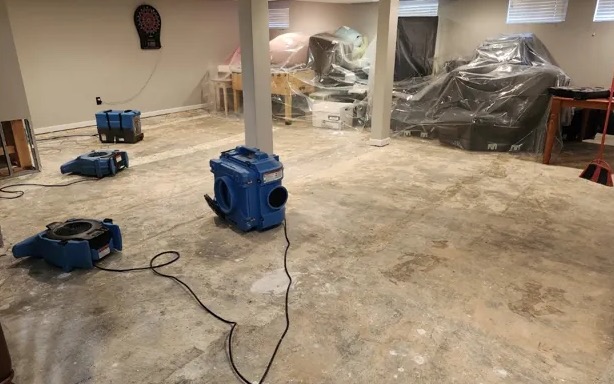
Targeted Temperature-Controlled Drying for Properties in St. Clair Shores
In St. Clair Shores, materials dry at different rates. Local pros map moisture content so each material gets the drying it needs.
In St. Clair Shores and nearby Roseville, Eastpointe and Fraser, local pros map moisture in walls and subfloors, then fit thermal drying and humidity control to the materials in the building.
Comprehensive Temperature-Controlled Drying Solutions for St. Clair Shores
Drying Equipment Deployment
The experts choose the mix of air movers, dehumidifiers and heaters from the size of the area, the materials and the moisture levels, then set it up to run safely.
Thermal Drying for Water Damage
The experts apply thermal energy to enhance air mover and dehumidifier effectiveness. This lowers relative humidity, creating a stronger force to pull moisture from materials.
Humidity Control for Restoration
The experts size dehumidifiers from the moisture map, then pair them with air movers to carry moisture away from materials.
Water Damage Drying Logs
Key data like psychrometric readings and material moisture content are meticulously recorded. These logs show a clear trend toward dryness, confirming the job's success.
Rapid Structural Drying Services
Rapid drying mitigates risk of long-term weaknesses or rot in wooden structures. The experts use specialized techniques like injecting dry air into wall cavities.
When to Call for Temperature-Controlled Drying in St. Clair Shores, MI
Moisture Meter Shows High Readings
A moisture meter reading high inside walls or floors means drying is not finished.
Cold, Damp Feeling in a Room
A room feels noticeably colder and damper than the rest of the house. This sensation is often due to evaporative cooling from wet materials.
Visible Mold Growth in Corners
Black, green or white specks in damp corners or on baseboards are usually mold, which means moisture has been there a while.
Condensation on Windows or Surfaces
Excess humidity causes water droplets to form on cold surfaces. This condensation confirms the indoor air has too much moisture.
How Temperature-Controlled Drying Works in St. Clair Shores
Step 1: Assessment and Moisture Detection
The pros perform a thorough assessment using thermal imaging and moisture meters. This identifies the full extent of damage, guiding the drying plan.
Step 2: Containment and Airflow Strategy
Plastic barriers close off the wet area so humidity can be controlled, and air movers are placed to move air across wet materials.
Step 3: Thermal Drying System Activation
Specialized thermal drying equipment is activated to gently raise the air temperature in the space.
Step 4: Verification and Structural Drying Completion
Readings are compared with dry areas of the building to confirm drying is complete.
What Leads to Needing Temperature-Controlled Drying in St. Clair Shores
Appliance Malfunction or Overflow
A failed washing machine hose, water heater or dishwasher can release many gallons onto the floor.
Undetected Plumbing Leaks
A slow drip behind a wall or under a slab saturates materials over time.
Overflowing Sinks or Bathtubs
A simple blockage or forgetfulness leads to an overflow event. Water spreads quickly, soaking cabinetry and flooring, and requires thorough drying equipment deployment.
Roof Leak During Heavy Rain
Wind-driven rain through a damaged roof or flashing can run down inside wall cavities, where it needs targeted drying.
Temperature-Controlled Drying for Homes and Businesses in St. Clair Shores
Residential Temperature-Controlled Drying
Homeowners benefit from structural drying that prevents mold and preserves structural elements like wood framing and drywall. The experts set up targeted drying arrays to address specific home layouts and materials.
Commercial Temperature-Controlled Drying
For commercial properties, pros run industrial dehumidifiers and air movers to control humidity in large spaces and monitor moisture until the building is dry.
Temperature-Controlled Drying vs. DIY Drying in St. Clair Shores
A home's HVAC on 'fan only' mode can circulate air, but it is not a substitute for professional drying. A wet-dry vacuum can remove standing water from a very localized incident.
Understanding Temperature-Controlled Drying Cost in St. Clair Shores
In St. Clair Shores, the cost depends on how much drying equipment is used and how long it runs, plus the moisture readings taken along the way.
Humidity Control Measures
Controlling humidity in tight spaces often takes specialized drying equipment and frequent adjustments.
Structural Material Types
Porous materials like concrete or dense wood require more aggressive drying strategies and extended monitoring, influencing the project timeline and cost.
Access and Logistics
Challenging site access in St. Clair Shores can complicate equipment deployment and placement, potentially increasing setup time and labor requirements.
Does Insurance Cover Temperature-Controlled Drying?
Whether insurance pays for thermal drying for water damage depends on your policy's specific language and the cause of loss. The pros meticulously record moisture levels and drying progress to create a verifiable log for your adjuster.
Benefits of Local Moisture Control Experts for Temperature-Controlled Drying in St. Clair Shores
Climate-Controlled Drying Systems
Heat and humidity are kept at set levels so materials dry faster without cracking or warping.
Comprehensive Drying Logs
Detailed, chronological logs of moisture readings and equipment settings provide a transparent record of the entire temperature-controlled drying process.
Advanced Moisture Mapping
Moisture meters and thermal cameras find hidden wet pockets so every affected material is dried.
Emergency Temperature-Controlled Drying Response for St. Clair Shores, MI
Don't let moisture settle in. For emergency deployment of drying equipment and strategic air mover placement to start controlled drying, reach the experts directly at (313) 766-2970, available 24/7.
Call Now (313) 766-2970Temperature-Controlled Drying Serving St. Clair Shores and Nearby Areas
Climate-controlled and thermal drying are available in St. Clair Shores and surrounding places including Roseville, Eastpointe and Fraser.
- Temperature-Controlled Drying in Roseville
- Temperature-Controlled Drying in Eastpointe
- Temperature-Controlled Drying in Fraser
- Temperature-Controlled Drying in Warren
- Temperature-Controlled Drying in Clinton Township
- Temperature-Controlled Drying in Grosse Pointe
- Temperature-Controlled Drying in Mount Clemens
- Temperature-Controlled Drying in Harrison Township
- Emergency Damage Restoration in 48080
- Storm Damage Restoration in 48080
- Water Damage Restoration in 48080
- Water Extraction Service in 48080
- Water Leak Detection in 48080
- Water Removal Service in 48080
- Emergency Damage Restoration in 48081
- Storm Damage Restoration in 48081
Temperature-Controlled Drying Information and FAQs
When is climate-controlled drying necessary versus regular drying?
Climate-controlled drying is necessary for severe losses, sensitive materials, or when precise environmental control is needed to prevent damage, unlike simple air drying for minor spills.
How does thermal drying for water damage work?
Thermal drying applies carefully managed heat to increase the evaporation rate of moisture trapped within materials, accelerating the drying process while monitored to prevent damage.
What is the strategy behind air mover placement?
They are angled to move air across wet surfaces in a pattern, so moisture evaporates into the air where dehumidifiers can capture it.
What is temperature-controlled drying?
It is a drying method that controls heat and humidity together to remove moisture from building materials and contents safely and quickly.
What are water damage drying logs used for?
Drying logs are detailed records of moisture readings, equipment settings, and progress; they provide documentation for the restoration process and are often required for insurance claims.