Westland, MI · Wayne County
Temperature-Controlled Drying in Westland, MIDrying Equipment Deployment & Humidity Control For Restoration
In Westland, Temperature-Controlled Drying from local temperature-controlled drying specialists includes rapid structural drying services, drying equipment deployment, and water damage drying logs for documented recovery.
Answered 24/7
Professional Temperature-Controlled Drying in Westland, MI
In Westland, slow or uneven drying lets wood rot and drywall soften, which adds cost and keeps you out of your home longer.
In Westland and nearby Garden City, Livonia and Canton, fast structural drying stops mold before it starts. Local pros map moisture, then use LGR dehumidifiers and planned air mover placement until readings are normal.
Temperature-Controlled Drying Methods Available in Westland
Drying Equipment Deployment
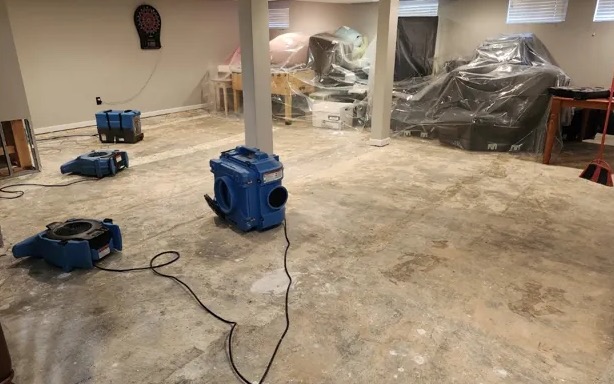
Pros set up drying machines with safe power, condensate drainage and placement based on the moisture map.
Humidity Control for Restoration
The specialists size dehumidifiers from the moisture map, then pair them with air movers to carry moisture away from materials.
Rapid Structural Drying Services
Rapid drying protocols focus on core materials providing a building's strength. The pros implement these methods for wood, concrete, and steel.
Climate-Controlled Drying Systems
For complex jobs, the specialists use industrial equipment to keep humid air from re-wetting materials, so walls dry all the way through.
Moisture Mapping
The specialists take moisture readings at many points and depths to map every wet area and set drying goals, so nothing is missed.
Signs You Need Professional Temperature-Controlled Drying in Westland
Warping of Wood Floors or Trim
Floorboards begin to cup, buckle, or separate at the seams. This warping is a direct result of excessive, uneven moisture content.
Soft Drywall or Sagging Ceiling
Drywall feels spongy to the touch or a ceiling sags downward. This softness means the material is saturated and structurally compromised.
Cold, Damp Feeling in a Room
A room feels noticeably colder and damper than the rest of the house. This sensation is often due to evaporative cooling from wet materials.
Moisture Meter Shows High Readings
A moisture meter reading high inside walls or floors means drying is not finished.
How Temperature-Controlled Drying Works in Westland
Step 1: Establishing the Drying Environment
The first step involves preparing the area by removing debris and setting up containment if needed.
Step 2: Implementing the Drying Array
Air movers and dehumidifiers are paired in a planned layout to dry walls and floors.
Step 3: Executing Temperature-Controlled Drying
The system executes temperature-controlled drying, maintaining ideal conditions to draw moisture out of materials.
Step 4: Final Verification and Documentation
Final verification compares moisture readings in affected materials to known dry standards in the home.
Sources of Water Intrusion Needing Moisture Removal in Westland
Overflowing Sinks or Bathtubs
A simple blockage or forgetfulness leads to an overflow event. Water spreads quickly, soaking cabinetry and flooring, and requires thorough drying equipment deployment.
HVAC System Condensation Issues
A clogged condensate drain line causes an overflow inside the air handler. This water can soak insulation and ductwork, creating a hidden moisture issue.
Inadequate Initial Water Extraction
Water left behind after a leak or flood moves into subfloors and walls, where it is harder to dry.
Poor Ventilation After a Flood
Closing up a wet room traps humid air, which slows drying and lets moisture soak further into materials.
Residential and Commercial Drying in Westland, MI
Residential Temperature-Controlled Drying
Homeowners benefit from structural drying that prevents mold and preserves structural elements like wood framing and drywall. The experts set up targeted drying arrays to address specific home layouts and materials.
Commercial Temperature-Controlled Drying
For commercial properties, pros run industrial dehumidifiers and air movers to control humidity in large spaces and monitor moisture until the building is dry.
When to Hire Local Specialists for Temperature-Controlled Drying in Westland
For a small, recent water spill, use towels to blot surface water and improve air circulation with fans. If water soaks into porous materials like drywall or carpet padding, contact the experts.
Understanding Temperature-Controlled Drying Cost in Westland
The specialists in Westland base cost on the extent of the water damage, the humidity control needed and how long monitoring runs.
Humidity Control Measures
Controlling humidity in tight spaces often takes specialized drying equipment and frequent adjustments.
Access and Logistics
Challenging site access in Westland can complicate equipment deployment and placement, potentially increasing setup time and labor requirements.
Equipment Needs
The number and type of air movers, dehumidifiers and heaters used affect the cost.
Does Insurance Cover Temperature-Controlled Drying?
Many homeowner policies cover temperature-controlled drying when it stems from a sudden, covered peril like a burst pipe. The specialists document all damage with photos and moisture readings for your claim submission.
Benefits of Local Specialists for Temperature-Controlled Drying in Westland
24/7 Emergency Response
Quick action is critical to limit secondary damage, and local pros are available around the clock to begin the drying process.
Comprehensive Drying Logs
Detailed, chronological logs of moisture readings and equipment settings provide a transparent record of the entire temperature-controlled drying process.
Structural Drying
The focus is on quickly extracting moisture from structural components to minimize warping, swelling, or the potential for mold growth.
Emergency Moisture Control in Westland
Water damage gets worse quickly as moisture spreads into materials. Call (313) 766-2970 24 hours a day to start drying in Westland.
Call Now (313) 766-2970Temperature-Controlled Drying Available Throughout Wayne County
The pros provide temperature-controlled drying for Westland and adjacent areas such as Garden City, Livonia and Canton.
- Temperature-Controlled Drying in Garden City
- Temperature-Controlled Drying in Livonia
- Temperature-Controlled Drying in Canton
- Temperature-Controlled Drying in Plymouth
- Temperature-Controlled Drying in Inkster
- Temperature-Controlled Drying in Dearborn Heights
- Temperature-Controlled Drying in Romulus
- Temperature-Controlled Drying in Redford
- Emergency Damage Restoration in 48185
- Storm Damage Restoration in 48185
- Water Damage Restoration in 48185
- Water Extraction Service in 48185
- Water Leak Detection in 48185
- Water Removal Service in 48185
- Emergency Damage Restoration in 48186
- Storm Damage Restoration in 48186
Temperature-Controlled Drying Information and FAQs
What happens if hidden moisture is not found during mapping?
Undetected moisture can lead to ongoing deterioration, odor issues, and mold growth inside walls or under floors, underscoring the critical need for thorough initial assessment.
What is the difference between air movers and dehumidifiers?
Air movers evaporate moisture from surfaces into the air, and dehumidifiers pull it back out of the air.
What materials benefit most from controlled drying systems?
Porous structural materials like drywall, wood framing, and concrete, as well as contents like documents and furniture, benefit greatly from controlled, gradual drying to prevent ruin.
Can rapid drying technology dry a property too quickly?
Yes, excessive heat or airflow can cause surface crusting, cracking, or other material stress, which is why professional drying balances speed with material-specific safety limits.
What does drying equipment deployment involve?
Pros assess the loss, calculate how much equipment is needed and place air movers, dehumidifiers and sometimes heaters.