Washington, MI · Macomb County
Tile Floor Water Damage Restoration in Washington, MITile Floor Drying Services & Tile Floor Mold Prevention
Tile Floor Water Damage Restoration in Washington starts with tile floor water extraction, wet tile floor cleanup, and tile floor water damage repair.
Answered 24/7
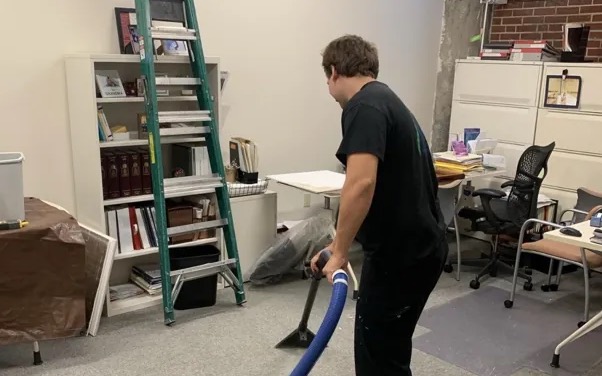
Local Tile Floor Water Damage Restoration Services for Washington Homes
In Washington, water can seep under tile and damage the adhesive and subfloor, which can lead to loose tiles and mold if not dried.
Across Washington and nearby places like Shelby Township, Romeo and Rochester, water damaged tile floors need expert care to restore their appearance and function. The tile floor water damage cost can escalate if moisture isn't fully removed.
Comprehensive Tile Floor Water Damage Restoration for Washington
Tile Floor Drying Services
Following water removal, air movers and dehumidifiers are deployed. This drying phase addresses moisture held in grout and underlayment materials.
Tile Floor Mold Prevention
Moisture left behind in tile grout can lead to mold within 24-48 hours. Water damage restoration pros incorporate mold prevention protocols into every job, including application of preventive solutions.
Water Under Tile Flooring Removal
When water migrates under the tile surface, standard extraction isn't enough. Experts assess the situation and use methods like vacuum mat systems to draw moisture up through the grout lines.
Tile Floor Water Extraction
Extraction clears visible water from the floor. This initial step prepares the tile area for the drying phase.
Flooded Tile Floor Restoration
Major flooding requires a systematic restoration approach. Pros follow established protocols to manage water removal, structural drying, and content protection.
How to Know You Need Tile Floor Water Damage Restoration in Washington
Visible Water Pooling
Water that keeps reappearing on a tile floor after you wipe it up points to water trapped below.
Efflorescence on Tile Surface
A white, powdery residue on tiles is efflorescence, a mineral deposit left by evaporating water. It signals previous moisture issues that need addressing.
Mold Spots on Grout Lines
Black, green or gray specks along grout lines are mold, which means moisture is staying in the floor.
Grout Crumbling Away
Grout that cracks, crumbles or falls out between tiles often means water is getting underneath.
How Tile Floor Water Damage Restoration Works in Washington
Step 1: Source Stop and Safety Check
The water source is stopped and the area is made safe before work begins.
Step 2: Surface Water Removal
Water on the tile surface is removed with extraction wands and wet vacuums.
Step 3: Subsurface Drying Deployment
Drying equipment is deployed to address moisture in the substrate beneath the tiles, a core component of professional tile floor drying services.
Step 4: Completion Verification
The job is complete when verification moisture readings confirm all materials meet dry standard, helping ensure no residual moisture remains to cause future issues.
Typical Sources of Tile Floor Water Damage
Improper Initial Tile Installation
Tile installed without a proper moisture barrier or waterproof underlayment is vulnerable to water intrusion from above, leading to premature failure.
Toilet Overflows and Seal Failures
A clogged toilet or a failed wax ring seal lets water spill onto the bathroom floor and seep under the tile.
Overflowing Sinks or Tubs
An overflowing bathroom sink, shower, or bathtub can send large volumes of water across a tile floor, seeping into grout and underneath the tiles.
Appliance Leaks and Malfunctions
Dishwashers, washing machines, water heaters, and refrigerators with ice makers can leak slowly, saturating the subfloor beneath adjacent tile flooring over time.
Both Residential & Commercial Tile Floor Water Damage Restoration in Washington
Residential Tile Floor Water Damage Restoration
In homes, tile floor water damage often occurs in kitchens, bathrooms, laundry rooms, and entryways. Local tile floor water removal experts focus on preserving the flooring's appearance and integrity while protecting the home's structure from subfloor rot and mold.
Commercial Tile Floor Water Damage Restoration
For businesses, water damaged tile floors in lobbies, restrooms, kitchens, and retail spaces present safety and image concerns. The experts in Washington prioritize discreet restoration to minimize downtime.
The Risks of DIY Tile Floor Water Damage Restoration
Monitoring the area for returning dampness or new odors over several days is a prudent DIY follow-up. If problems persist, it indicates hidden moisture. For definitive resolution and to prevent long-term issues like subfloor rot, contact the experts for tile floor water damage restoration.
Cost Considerations for Tile Floor Water Damage Restoration in Washington
The cost of tile floor water damage restoration in Washington is influenced by the extent of water intrusion and the area of tile affected.
Extent of Damage
The square footage of water damaged tile floors and depth of saturation directly influence the restoration scope and cost.
Water Source Category
Clean water from a supply line is simpler to address than contaminated flood water, affecting the tile floor cleanup process.
Drying Time Required
Prolonged tile floor drying services to reach safe moisture levels add to operational hours and the overall service cost.
Does Insurance Cover Tile Floor Water Damage Restoration?
Flooded tile floor restoration might be covered under certain policy endorsements or separate flood insurance. The experts document all moisture inspection findings.
Reasons to Hire Local Experts for Tile Floor Water Damage Restoration in Washington
IICRC-Standard Methods
The experts use industry-standard procedures for tile floor water extraction and drying to promote effective damage control.
Detailed Damage Documentation
Pros document the tile floor water damage inspection with readings and photos for your personal records.
Complete Restoration Scope
Services encompass everything from flooded tile floor restoration to final cleanup for a restored living space.
Emergency Tile Floor Water Damage Restoration Response for Washington
Wet tile floor emergency? Call local pros at (313) 766-2970 day or night. Starting drying quickly limits repairs to the subfloor.
Call Now (313) 766-2970Local Tile Floor Water Damage Restoration Areas Around Washington
Addressing water damaged tile floors is a common need for homes in the Washington area. The experts provide service to Washington and nearby places such as Shelby Township, Romeo and Rochester.
- Tile Floor Water Damage Restoration in Shelby Township
- Tile Floor Water Damage Restoration in Romeo
- Tile Floor Water Damage Restoration in Rochester
- Tile Floor Water Damage Restoration in Armada
- Tile Floor Water Damage Restoration in Sterling Heights
- Tile Floor Water Damage Restoration in Macomb
- Tile Floor Water Damage Restoration in Lake Orion
- Tile Floor Water Damage Restoration in New Haven
- Emergency Damage Restoration in 48094
- Storm Damage Restoration in 48094
- Water Damage Restoration in 48094
- Water Extraction Service in 48094
- Water Leak Detection in 48094
- Water Removal Service in 48094
- Emergency Damage Restoration in 48095
- Storm Damage Restoration in 48095
Tile Floor Water Damage Restoration Common Questions Answered
What is the goal of flooded tile floor restoration?
The aim is to return the floor to its pre-loss condition, both how it looks and how solid it is.
What is tile floor water damage restoration?
It is the professional process of extracting water, thoroughly drying the tile and subfloor, and repairing damage to restore your floor after a water incident.
What tools are used for tile floor water damage inspection?
Inspections utilize tools like moisture meters, hygrometers, thermal imaging cameras, and sometimes borescopes to accurately assess both visible and concealed water damage within the flooring assembly.
How is a tile floor moisture inspection conducted?
Pros use non-invasive moisture meters and thermal imaging to detect hidden dampness in the tile, grout, and the underlying substrate.
Why is quick action critical for tile floor water damage?
A start to extraction and drying minimizes absorption, limits damage to the subfloor, and drastically reduces the risk of mold development.