Washington, MI · Macomb County
Under Carpet Water Extraction in Washington, MIEmergency Carpet Drying Services & Carpet Padding Restoration
Under Carpet Water Extraction in Washington requires prompt under carpet water extraction, wet carpet pad removal, and subfloor moisture inspection.
Answered 24/7
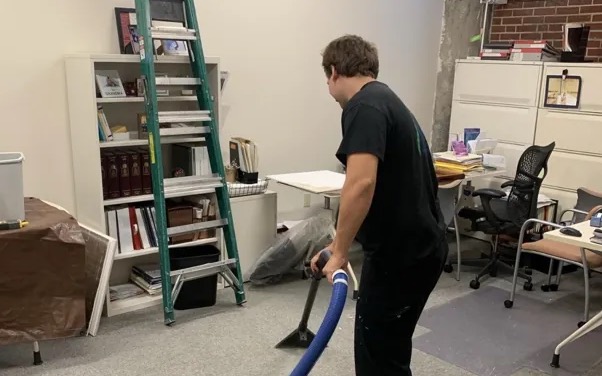
Trusted Under Carpet Water Extraction Near Washington
For homes in the Washington area, under carpet water damage is a common issue that compromises flooring systems. The padding acts like a sponge, holding moisture against the wooden subfloor and causing warping, staining, and potential microbial contamination if the water is not extracted promptly.
In Washington and nearby Shelby Township, Romeo and Rochester, everyday leaks often leave water under carpet. Local water extraction pros remove it and check the subfloor for moisture.
Under Carpet Water Extraction and Related Services in Washington
Emergency Carpet Drying Services
Emergency carpet drying services deploy industrial equipment day or night. Moisture removal experts set up air movers and dehumidifiers to aggressively dry the carpet.
Carpet Padding Restoration
Carpet and padding restoration involves professional cleaning and evaluation to salvage water-affected materials. The pros determine if the carpet can be restored to a clean, safe condition or requires replacement.
Wet Carpet Pad Removal
The pros remove waterlogged carpet pad to allow subfloor drying. They cut and extract saturated padding, which holds moisture directly against the flooring.
Carpet Flood Water Cleanup
The experts remove the bulk water from carpet fibers and backing, which limits absorption and often saves the carpet in Washington homes.
Subfloor Moisture Inspection
A subfloor moisture inspection records water levels for the property owner's documentation. The pros find hidden wet spots to prevent mold and structural issues later.
How to Know You Need Under Carpet Water Extraction in Your Home
Slow Drying After a Spill
A carpet that remains damp days after a cleanup attempt likely has water trapped beneath, needing professional extraction.
Water Stains on Adjacent Baseboards
Discoloration on your baseboards or drywall near the floor often points to water wicking up from a wet carpet pad.
Visible Carpet Stains or Discoloration
Dark spots or yellowing on carpet can mean water is trapped below the surface.
Peeling Laminate or Warped Flooring
Adjacent hard flooring that warps or peels can be a secondary sign of moisture migration from a wet carpet area.
How Under Carpet Water Extraction Works in Washington
Step 1: First Call and Containment
For emergency carpet water extraction, pros contain the wet area to prevent moisture from spreading to unaffected sections of carpet and flooring.
Step 2: Complete Water Removal Phase
The carpet water removal process begins, extracting all accessible moisture from the carpet, its backing, and any standing water on the subfloor.
Step 3: Pad Removal and Subfloor Prep
The wet carpet pad is cut out and removed. The exposed subfloor is cleaned and prepared for the intensive under carpet drying stage.
Step 4: Verification of Dryness
Using moisture meters, pros verify the subfloor and carpet backing are completely dry, a critical final step before any restoration or rebuilding occurs.
Common Causes of Under Carpet Water Damage in Washington
Pet Accidents and Repeated Spills
Liquid repeatedly absorbed in one area can penetrate deep into the carpet pad, creating a localized hidden water damage zone.
Improper Carpet Cleaning Methods
Using too much water or shampoo during DIY cleaning can overwet the carpet, forcing moisture deep into the pad and backing.
Roof Leaks Traveling Down Walls
Water from a roof leak can run down interior wall cavities and pool on the subfloor, soaking the carpet from the edges.
Ice Maker or Refrigerator Leaks
A slow leak from a refrigerator water line or ice maker can go undetected for weeks, soaking the under-carpet area.
Under Carpet Water Extraction for Homes and Businesses in Washington
Residential Under Carpet Water Extraction
In homes, extraction limits damage. Pros check with meters, extract water from under the carpet and dry the subfloor to keep mold out.
Commercial Under Carpet Water Extraction
In offices and schools, pros check under carpet for hidden moisture beneath desks and classrooms so the floor is fully dry.
Professional Under Carpet Water Extraction or DIY in Washington?
For a minor leak that's been fixed, monitoring the area for signs of recurring dampness is wise. DIY moisture meters from hardware stores can give surface readings. For accurate subfloor moisture detection and thorough drying, property owners typically rely on the pros.
Pricing for Under Carpet Water Extraction Services in Washington
Near Detroit, price depends on the carpet type, how much hidden water damage there is and how much subfloor drying and sanitizing is needed.
Carpet Square Footage
The total area of wet carpet directly impacts the time and equipment needed for complete water extraction and drying procedures.
Access and Furniture Moving
The need to move furnishings or navigate complex room layouts can add to the labor required for efficient water removal.
Sanitizing and Deodorizing
Post-extraction treatments to prevent mold are a critical final step that factors into the service plan.
Does Insurance Cover Under Carpet Water Extraction?
Your insurance may cover under carpet water removal if the cause is a sudden, covered peril. Experts in subfloor moisture detection provide the detailed documentation insurers require to process a claim.
Selecting Local Pros in Washington for Your Under Carpet Water Extraction
Focused Subfloor Inspection
Pros check the subfloor separately so it is fully dry before the job is finished.
Post-Extraction Sanitizing Protocols
After water removal, the area is treated to sanitize surfaces and inhibit mold for a healthier environment.
Comprehensive Drying Systems
Industrial air movers and dehumidifiers are deployed to create optimal drying conditions for the carpet and underlying materials.
Emergency Under Carpet Water Extraction Response in Washington, MI
Do not let water sit under your carpet. Call (313) 766-2970 for extraction and drying, available 24/7 in Washington and nearby.
Call Now (313) 766-2970Under Carpet Water Extraction Coverage in and Around Washington
When water hides under carpet in Washington or nearby Shelby Township, Romeo and Rochester, local pros extract and dry it.
- Under Carpet Water Extraction in Shelby Township
- Under Carpet Water Extraction in Romeo
- Under Carpet Water Extraction in Rochester
- Under Carpet Water Extraction in Armada
- Under Carpet Water Extraction in Sterling Heights
- Under Carpet Water Extraction in Macomb
- Under Carpet Water Extraction in Lake Orion
- Under Carpet Water Extraction in New Haven
- Emergency Damage Restoration in 48094
- Storm Damage Restoration in 48094
- Water Damage Restoration in 48094
- Water Extraction Service in 48094
- Water Leak Detection in 48094
- Water Removal Service in 48094
- Emergency Damage Restoration in 48095
- Storm Damage Restoration in 48095
Frequently Asked Questions About Under Carpet Water Extraction
Why is wet carpet pad removal often necessary?
Carpet pads act like sponges, trapping moisture against the subfloor. Removal is frequently required to allow for proper drying and to prevent mold growth and odors.
What is involved in post-extraction carpet sanitizing?
After water removal, the area and any salvaged materials are treated with EPA-registered antimicrobial agents to disinfect surfaces and inhibit bacteria and mold.
How do pros detect hidden subfloor moisture?
The pros use non-invasive moisture meters and sensors to measure moisture levels beneath the carpet, identifying damp areas that are not visible to the eye.
What happens during hidden water damage repair?
This involves accessing concealed spaces, removing damaged materials if necessary, applying targeted drying techniques, and repairing or replacing affected structural components.
What are the risks of delayed under carpet water extraction?
Delaying can lead to permanent carpet staining, delamination, mold growth within 24-48 hours, wood subfloor rot, and persistent musty odors in the home.