Auburn Hills, MI · Oakland County
Water Damage Inspection in Auburn Hills, MIPost-Remediation Verification & Subfloor Moisture Detection
Water Damage Inspection in Auburn Hills covers wall cavity moisture check, ceiling water damage inspection and subfloor moisture detection.
Answered 24/7
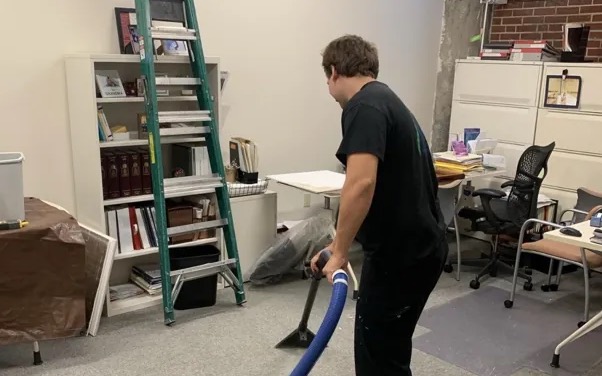
Professional Water Damage Inspection in Auburn Hills, MI
In Auburn Hills, a professional water damage inspection provides clarity by revealing hidden moisture that is not visible during a casual look.
In Auburn Hills and nearby Pontiac, Orion Township and Rochester, local pros check attics, walls and subfloors to find hidden water damage before it weakens the structure.
Water Damage Inspection Services in Auburn Hills
Post-Remediation Verification
A final check after repairs uses meters to confirm materials are dry.
Subfloor Moisture Detection
Subfloor moisture detection assesses the structural layer beneath flooring for water saturation. Moisture detection pros use probe meters to check subfloors in Auburn Hills after floor-level leaks.
Hidden Leak Detection
Acoustic sensors help the inspectors find hidden leaks behind surfaces. This non-invasive method pinpoints water intrusion within walls or under slabs in Auburn Hills for precise repairs.
Wall Cavity Moisture Check
Penetrating probes measure water content deep within the wall assembly. The experts in Auburn Hills assess framing and insulation to confirm drying sufficiency.
Ceiling Water Damage Inspection
Inspect ceiling areas for water damage signs like discoloration, texture changes, or soft spots. Local pros evaluate the saturation level in ceiling materials to prevent potential collapse and protect rooms below.
Do You Need a Water Damage Inspection in Auburn Hills?
Musty or Moldy Odors
Persistent musty smells often indicate hidden moisture problems. Mold growth can start within 24 to 48 hours of water exposure.
Sagging or Soft Drywall
Walls or ceilings that feel spongy or appear to sag hold significant water. Structural integrity can be compromised.
Warped or Buckling Flooring
Cupped hardwood, lifted tiles or spongy laminate often mean moisture under the floor.
Increased Allergy Symptoms
Unexplained allergy flair-ups indoors can be triggered by mold spores from undetected damp areas.
How Water Damage Inspection Works in Auburn Hills
Step 1: Visual and Infrared Inspection
The pros first conduct a visual walkthrough, then use infrared cameras to find hidden temperature differences caused by moisture behind surfaces.
Step 2: Moisture Mapping With Probes
Specialized moisture meters with probes are used to take precise readings inside walls, floors, and ceilings, creating a detailed moisture map.
Step 3: Damage Source Identification
The inspection focuses on tracing the moisture trail back to its source, whether a plumbing leak, roof failure, or condensation issue.
Step 4: Documentation for Your Review
All findings, moisture readings, and infrared images are compiled into a clear report for you and, if needed, for your insurance provider.
Leading Causes for Water Damage Inspection in Auburn Hills
Window and Door Seal Failure
Failed caulking or weather stripping allows driving rain to penetrate, soaking framing and insulation around openings.
Poor Bathroom Waterproofing
Shower pans, tub surrounds, and toilet seals that fail allow water to migrate into subfloors and adjacent rooms.
HVAC Condensate Drain Clogs
A clogged AC drain line can overflow, dumping gallons of water into the system, ceilings, or walls.
Plumbing Leaks Behind Walls
Pinhole leaks in supply lines or loose drain connections inside walls release water slowly, causing hidden damage over months.
Water Damage Inspection for All Property Types in Auburn Hills
Residential Water Damage Inspection
The pros perform attic moisture inspection to find roof leaks before they rot rafters. They also check wall cavities for slow pipe leaks that cause mold inside homes throughout Auburn Hills.
Commercial Water Damage Inspection
In restaurants or medical offices, hidden moisture can disrupt daily operations and create health concerns. The pros conduct thorough inspections using specialized leak detection equipment to locate issues behind kitchen plumbing or within lab sink cabinets.
Water Damage Inspection vs. DIY: When to Call Moisture Detection Pros
Checking the water meter is a simple test for hidden leaks: shut off all water and see if the dial moves. Finding where the leak is takes the right tools.
Understanding Water Damage Inspection Pricing in Auburn Hills
The inspection cost in Auburn Hills can vary if specialized leak detection equipment is needed to pinpoint a hidden leak's exact location behind walls or under flooring.
Equipment Used
Infrared cameras and specialized leak detection equipment affect the price of the inspection.
Inspection Scope
A full inspection of ceilings and wall cavities costs more than a quick look at one leak.
Reporting Detail
Photos and moisture readings for insurance add time for the pros to prepare.
Does Insurance Cover Water Damage Inspection?
Insurance may cover post-flood damage assessment if the flooding is from a covered peril. The pros create a thorough record of the damage extent for your adjuster.
Benefits of Local Pros for Water Damage Inspection in Auburn Hills
Fact-Based Inspection Findings
The inspection process is focused solely on gathering factual data about your water damage situation to inform your next decisions.
Comprehensive Moisture Mapping
The inspection doesn't just find wet spots; it maps the full extent of moisture migration to identify all affected areas.
Multi-Area Inspection Capability
From attic moisture inspection to ceiling checks, the pros can assess all potential points of water intrusion in your property.
Urgent Water Damage Inspection Available in Auburn Hills
Active water coming in through a ceiling or floor? Call (313) 766-2970 24/7 for the pros to inspect ceilings and subfloors.
Call Now (313) 766-2970Water Damage Inspection Near Auburn Hills: Areas Served
From Auburn Hills to Pontiac, Orion Township and Rochester, property owners rely on detailed water damage checks. Infrared moisture inspection helps find moisture in walls and subfloors that isn't visibly apparent.
- Water Damage Inspection in Pontiac
- Water Damage Inspection in Orion Township
- Water Damage Inspection in Rochester
- Water Damage Inspection in Lake Orion
- Water Damage Inspection in Troy
- Water Damage Inspection in Waterford Township
- Water Damage Inspection in Bloomfield Township
- Water Damage Inspection in West Bloomfield
- Emergency Damage Restoration in 48321
- Storm Damage Restoration in 48321
- Water Damage Restoration in 48321
- Water Extraction Service in 48321
- Water Leak Detection in 48321
- Water Removal Service in 48321
- Emergency Damage Restoration in 48326
- Storm Damage Restoration in 48326
Frequently Asked Questions About Water Damage Inspection
Is commercial water damage inspection different?
It often covers larger areas, complex building systems, and may prioritize business continuity, but uses the same industry-standard methods for moisture detection and assessment.
Can hidden water damage behind walls be found during an inspection?
Yes, infrared moisture inspection and specialized leak detection equipment are used to identify moisture in wall cavities without causing unnecessary damage to the drywall.
When is a post-flood damage assessment needed?
Schedule this inspection immediately after flooding stops to document the full extent of saturation for repair planning and to create a report for insurance purposes.
Which areas are typically checked for moisture during a water damage inspection?
Floors, walls, ceilings, basements, crawl spaces, attics and the areas around appliances and plumbing fixtures.
What is infrared moisture inspection used for?
This non-invasive method detects temperature differences caused by moisture, ideal for finding hidden leaks in ceilings, walls, and under flooring without physical probing.