Dearborn, MI · Wayne County
Water Damage Mitigation in Dearborn, MIMoisture Detection Inspection & Wet Carpet Drying
Water Damage Mitigation for Dearborn homes includes emergency water extraction, structural drying services and mold prevention after water.
Answered 24/7
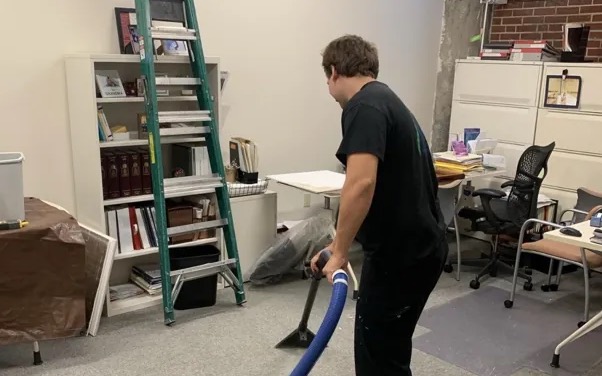
Professional Water Damage Mitigation in Dearborn, MI
When a home experiences water intrusion, the immediate focus must be on damage control. Materials like drywall, carpet, and wood absorb water rapidly, weakening their structure and potentially leading to costly repairs.
In Dearborn and nearby Melvindale, River Rouge and Allen Park, local water removal pros respond to leaks in homes and dry the structure fully to prevent mold and rot.
Complete Water Damage Mitigation Offerings in Dearborn
Moisture Detection Inspection
The pros use moisture meters and thermal cameras to map hidden moisture behind walls and under floors.
Wet Carpet Drying
Carpets and pads hold significant moisture. The pros use tools to separate carpet from pad for airflow.
Mold Prevention After Water
The mitigation goal is a dry, normal condition. The pros in Dearborn understand complete drying prevents mold.
Rapid Water Extraction
The pros use high-capacity pumps and vacuums to pull out standing water. This rapid reduction in moisture is a key first step for water damage mitigation in homes throughout Wayne County.
Floor Water Damage Cleanup
Different flooring materials require specific mitigation strategies. The pros handle wood, vinyl, and concrete floors with appropriate techniques to limit damage.
Warning Signs You Need Water Damage Mitigation
Warping or Buckling Floorboards
Wood floors that are warping, cupping, or buckling have likely absorbed significant moisture.
Peeling Paint or Wallpaper
Paint or wallpaper that is blistering or peeling away from the surface is often due to moisture.
Swollen Door or Window Frames
Doors and windows that are difficult to open or close may have frames swollen from water.
Discolored or Stained Ceiling Tiles
Brown or yellow stains on ceiling tiles or drywall point to a leak from above.
How Water Damage Mitigation Works in Dearborn
Step 1: Source Stop and Safety Check
The first action is to confirm the water source is stopped and ensure the area is electrically safe.
Step 2: Complete Flooded Home Drying
For a flooded home drying project, industrial-grade air movers and dehumidifiers are set up in a calculated pattern.
Step 3: Focused Wet Carpet Drying
Special attention is given to wet carpet drying, using extractors, matting, and lifters to dry carpet, pad, and subfloor simultaneously to prevent delamination and odor.
Step 4: Continuous Moisture Monitoring
The pros monitor moisture levels in materials daily, adjusting equipment as needed. They help ensure all structural components meet industry-standard dryness criteria before concluding.
Leading Causes of Household Water Incidents
Foundation Cracks and Seepage
Cracks in a home's foundation or basement walls permit groundwater intrusion, especially after heavy rain.
Burst or Leaking Pipes
Plumbing failures from corrosion, freezing, or high pressure can release large volumes of water into a home.
Sewage Backup or Drain Clogs
Blocked main sewer lines or septic systems can force contaminated water back into sinks, tubs, and toilets.
Natural Flooding From Heavy Rain
Heavy rain or a nearby creek or river overflowing can flood a home.
Residential and Commercial Water Damage Mitigation in Dearborn
Residential Water Damage Mitigation
In apartments and condos, the pros contain the leak so it does not reach neighboring units, then extract and dry in tight spaces.
Commercial Water Damage Mitigation
In industrial settings, water is removed from around machinery and materials. The pros dry concrete slabs and production areas before work resumes.
Water Damage Mitigation vs. DIY: When to Call Water Removal Pros
You can document the damage for your insurance by taking clear photos and videos before any cleanup. Make a list of visibly affected items and materials. Avoid using household fans on wet porous materials, as this can spread mold spores. For proper water damage inspection and drying, phone (313) 766-2970 for water damage mitigation.
What Influences Water Damage Mitigation Expenses in Dearborn
The cost for water damage mitigation in Dearborn depends on the extent of the water intrusion and the affected materials. The pros evaluate the damage to determine the scope of work required.
Required Drying Time
Longer drying means more equipment time and more monitoring visits, which adds cost.
Material Type
Porous materials like drywall and carpet absorb more water, often needing removal. Non-porous surfaces may only require surface drying.
Access Complexity
Hard-to-reach areas like crawlspaces or tight corners can increase the time and effort required for water extraction and drying.
Does Insurance Cover Water Damage Mitigation?
Insurance may cover water damage mitigation if the cause is a covered peril, like an appliance overflow. The role of the pros is to perform industry-standard drying and provide documentation for your adjuster. Decisions about reimbursement are made by your insurance provider.
Benefits of Local Pros for Water Damage Mitigation
Organized Cleanup Process
Each step, from extraction to the final dryness check, is done in order and recorded.
Structural Drying Expertise
Air movers and dehumidifiers dry walls and floors so they do not warp or grow mold.
Content Drying Focus
The pros dry furniture, documents and belongings as well as the building itself.
24-Hour Emergency Water Damage Mitigation in Dearborn
For emergency water extraction in Dearborn after a burst pipe or flood, call (313) 766-2970 day or night. Fast water removal is critical to limit damage and start the drying process.
Call Now (313) 766-2970Water Damage Mitigation Serving Dearborn, Melvindale, River Rouge and Allen Park
Homeowners in Dearborn and neighboring places like Melvindale, River Rouge and Allen Park need reliable water damage inspection and mitigation.
- Water Damage Mitigation in Melvindale
- Water Damage Mitigation in River Rouge
- Water Damage Mitigation in Allen Park
- Water Damage Mitigation in Lincoln Park
- Water Damage Mitigation in Dearborn Heights
- Water Damage Mitigation in Garden City
- Water Damage Mitigation in Ecorse
- Water Damage Mitigation in Taylor
- Emergency Damage Restoration in 48120
- Storm Damage Restoration in 48120
- Water Damage Restoration in 48120
- Water Extraction Service in 48120
- Water Leak Detection in 48120
- Water Removal Service in 48120
- Emergency Damage Restoration in 48121
- Storm Damage Restoration in 48121
Your Water Damage Mitigation Questions Addressed
What are the steps in floor water damage cleanup?
Water is extracted, damaged flooring is removed if needed and the subfloor is dried and checked before new flooring goes in.
How long does water damage mitigation take?
It depends on how much water there was. Extraction may take a day, and drying soaked materials usually takes several more.
What should I do while I wait for help with a water leak?
If safe, stop the water source at the main valve, remove easily accessible valuables from water, and avoid using electrical appliances in the wet area until it is inspected.
Why is moisture detection important for mitigation?
It uses meters to find water hidden inside walls or under floors, so drying does not stop too early.
How is mold prevented after water damage?
Fast extraction, dehumidifiers, full structural drying and sometimes EPA-registered antimicrobial agents on wet surfaces.