Ann Arbor, MI · Washtenaw County
AC Unit Water Removal in Ann Arbor, MIAir Conditioner Restoration Services & AC Condensate Drain Clearing
Get AC unit water removal in Ann Arbor: AC leak water extraction, wet AC unit component drying and air conditioner restoration services.
Answered 24/7
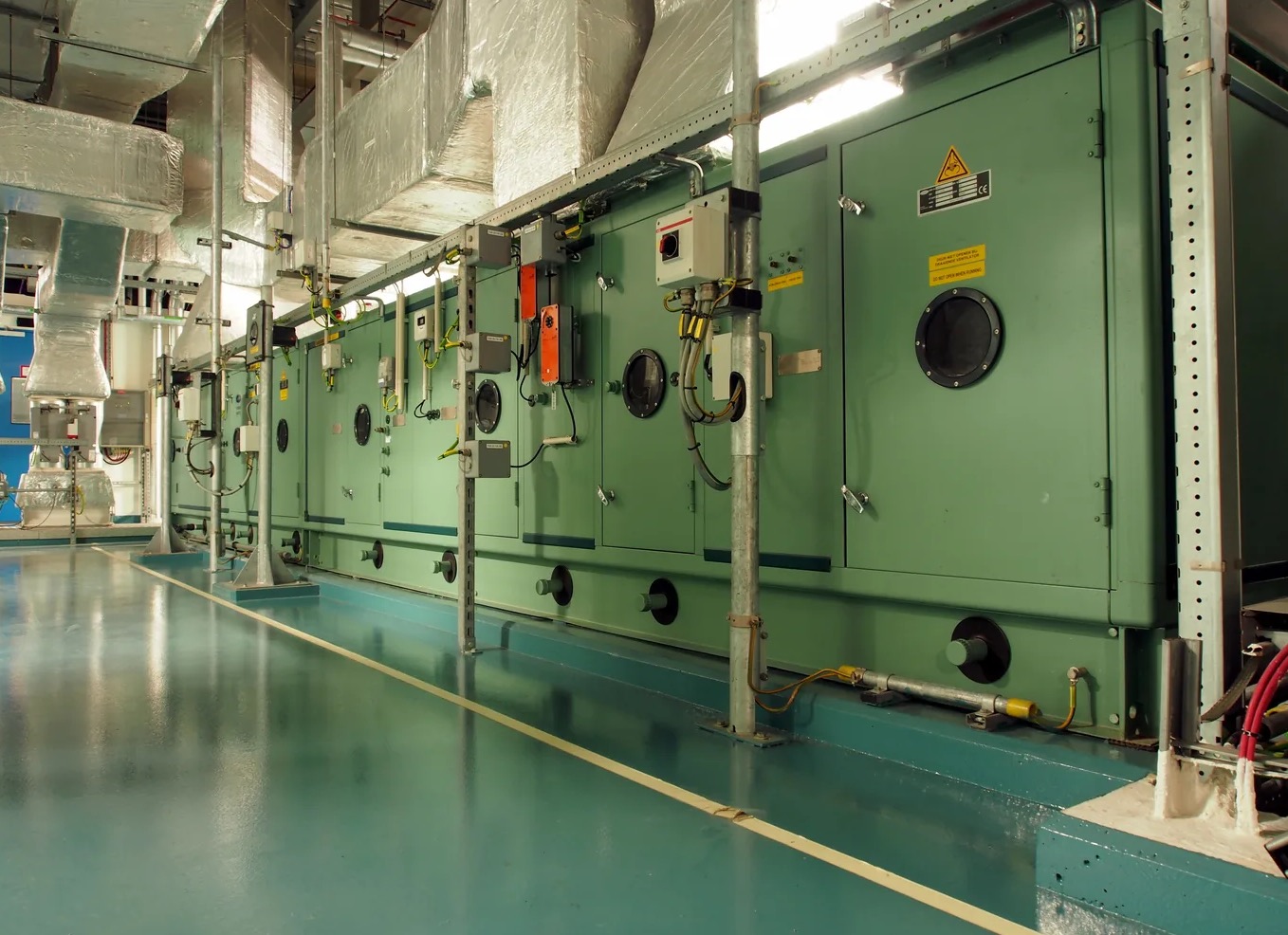
Professional AC Unit Water Removal in Ann Arbor, MI
When water drips from a ceiling vent or pools around the furnace closet in Ann Arbor, the AC drain is the usual suspect. A clogged condensate line sends water back into the pan until it spills over.
A leaking AC in Ann Arbor rarely fixes itself, and the water keeps soaking the same drywall and subfloor until the drain is cleared. Local water damage pros serve Ann Arbor and nearby Ypsilanti, Dexter and Saline, with help available around the clock for leaks of any size.
Detailed AC Unit Water Removal Offerings for Ann Arbor
Air Conditioner Restoration Services
Restoration covers the repairs left after a leak: cut-out drywall, stained ceilings, swollen baseboards and soaked insulation.
AC Condensate Drain Clearing
A clogged condensate line is the most common reason an AC unit leaks. The pros flush out algae and sludge so condensate drains away again.
AC Leak Water Extraction
Water is removed from every wet surface the leak reached, including closets and rooms below an attic air handler.
AC Drain Pan Water Extraction
A soaked pan in an attic unit is a ceiling leak waiting to happen. Extracting it quickly protects the drywall underneath.
AC Leak Water Cleanup
Water from an overflowing air handler is extracted from the floor, closet or mechanical room, then nearby walls are checked with a moisture meter.
Signs of AC Water Damage Requiring Removal
AC Unit Circuit Breaker Trips
Water reaching electrical parts can trip the breaker. Shut the unit off and call before resetting it again.
AC System Shuts Off
Many units have a float switch that shuts the system off when the pan fills. If the AC stops cooling, check the pan.
Water on the Floor
A puddle around the air handler or furnace closet is the most direct sign of a leak.
Visible Mold Near AC
Dark spots on drywall or framing near the unit mean the area has stayed wet for days.
How AC Unit Water Removal Works in Ann Arbor
Step 1: Emergency AC Water Removal
The unit is shut off and standing water is extracted from the drain pan, the floor and any carpet or pad it reached.
Step 2: AC Condensation Line Clearing
The drain line is flushed or vacuumed clear of algae and sludge, so condensate flows outside again.
Step 3: Wet AC Unit Component Drying
Air movers and a dehumidifier dry the cabinet interior and the walls, floor or ceiling around the unit.
Step 4: AC Leak Mold Prevention
Once readings show dry, wood and drywall that stayed wet can be treated with an antimicrobial.
Frequent Sources of AC Water Damage
Improper AC Unit Installation
A unit that is not level, or a drain line without enough slope, lets water pool instead of draining.
Age and Component Wear
Older units have worn fittings, brittle seals and corroded pans that start leaking together.
Dirty Air Filters
A clogged filter cuts airflow, which can freeze the coil and cause overflow when it melts.
Excess Outdoor Humidity
Very humid air makes the coil produce more water than a partly clogged drain can carry.
AC Unit Water Removal for Homes and Businesses in Ann Arbor
Residential AC Unit Water Removal
For homeowners, the main risk is water soaking into insulation and drywall where no one sees it. Moisture meters find that hidden water so it can be dried before it causes rot.
Commercial AC Unit Water Removal
For property managers, one leaking unit can affect several suites or the floor below. Each wet area is extracted, dried and documented for the owner and insurer.
Why DIY AC Water Removal Often Fails in Ann Arbor
Mopping up a small drip and clearing the drain line with a wet vac is a reasonable DIY step. Call local water damage pros if water reached the ceiling, walls or insulation, or if the leak keeps coming back after you clear the line.
Estimating Your AC Unit Water Removal Cost in Ann Arbor
In Ann Arbor, most of the cost comes from extraction, equipment days and any drywall or insulation that has to be replaced. A walk-through sets the scope before work starts.
Secondary Damage Presence
Wet ceilings, swollen baseboards or damp framing add removal and repair work to the job.
Leak Source and Severity
A slow drip near the closet costs less to fix than an attic overflow that soaked a ceiling and the room below.
System Restoration Complexity
Replacing drywall, insulation or trim after drying adds material and labor to the total.
Does Insurance Cover AC Unit Water Removal?
Many homeowner policies cover sudden water damage from an AC leak but not repairs to the unit itself or slow leaks from poor upkeep. Read your policy and call your insurer early.
The Value of Local Pros for AC Unit Water Removal in Ann Arbor
Leak Source Identification
The pros trace the leak to its source, whether that is a clog, a cracked pan or a failed pump.
Drain Pan Extraction
Both the main pan and the safety pan are emptied and checked for damage.
Industry Drying Standards
Drying follows industry water damage standards, with moisture readings at each visit.
24/7 AC Unit Water Removal for Emergencies in Ann Arbor
Night, weekend or holiday, the pros handle leaking AC units in Ann Arbor. Call (313) 766-2970 to get the water out, the condensate drain cleared and drying started.
Call Now (313) 766-2970AC Unit Water Removal Throughout Ann Arbor and Beyond
Nearby areas served for AC unit water removal include Ypsilanti, Dexter and Saline, with the same extraction and drying process used in Ann Arbor.
- AC Unit Water Removal in Ypsilanti
- AC Unit Water Removal in Dexter
- AC Unit Water Removal in Saline
- AC Unit Water Removal in Whitmore Lake
- AC Unit Water Removal in South Lyon
- AC Unit Water Removal in Milan
- AC Unit Water Removal in Chelsea
- AC Unit Water Removal in Pinckney
- Emergency Damage Restoration in 48103
- Storm Damage Restoration in 48103
- Water Damage Restoration in 48103
- Water Extraction Service in 48103
- Water Leak Detection in 48103
- Water Removal Service in 48103
- Emergency Damage Restoration in 48104
- Storm Damage Restoration in 48104
Frequently Asked Questions About AC Unit Water Removal in Ann Arbor
How long does drying take after an AC leak?
Often several days, depending on the materials and how long they were wet. Daily readings track progress.
Does homeowners insurance cover water damage from an HVAC unit?
Sudden leaks are often covered, but slow leaks and the unit itself usually are not. Check your policy.
How quickly should I deal with an AC leak?
Right away. Water that sits for more than a day or two soaks into drywall and insulation and raises the risk of microbial growth.
What is involved in AC unit water removal?
Standing water is extracted, the condensate line is cleared, and wet materials are dried with air movers and dehumidifiers until moisture readings are normal.
How does antimicrobial treatment help after an AC leak?
Once surfaces are dry, an antimicrobial can be applied to wood and drywall that stayed wet to slow microbial growth.