Ann Arbor, MI · Washtenaw County
Hydrostatic Pressure Water Removal in Ann Arbor, MIFoundation Crack Water Infiltration & Wet Subfloor Removal
Hydrostatic Pressure Water Removal in Ann Arbor covers groundwater intrusion mitigation, wet subfloor removal and crawl space water extraction.
Answered 24/7
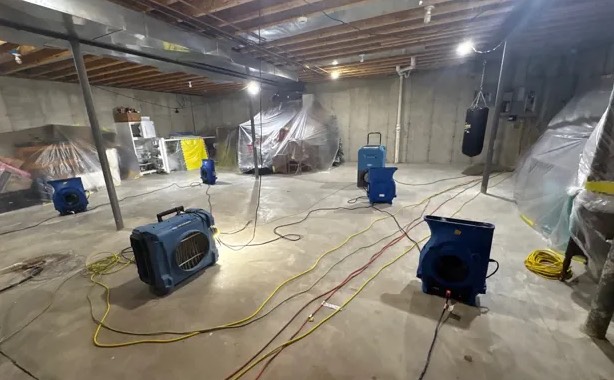
Hydrostatic Pressure Water Removal Solutions for Ann Arbor Homes
Wet subfloor after a groundwater flood can ruin flooring and weaken joists. The moisture wicks up into walls, so the damage is often bigger than the flooded area.
In Ann Arbor and nearby Ypsilanti, Dexter and Saline, soaked soil can push water into basements and crawl spaces. Local hydrostatic pressure experts extract the water and dry the structure.
The Hydrostatic Pressure Water Removal Process in Ann Arbor
Foundation Crack Water Infiltration
Water coming through foundation cracks is pushed in by soil pressure. The water that got in is extracted and the area dried, and the crack is noted for a foundation contractor.
Wet Subfloor Removal
Water damage pros assess the damage, remove the compromised materials, and ensure the underlying joists are dry and sound before reconstruction.
Groundwater Intrusion Mitigation
Dealing with groundwater means removing what got in and drying the space. The pros also point out grading or drainage problems outside that a contractor can fix.
Slab Leak Water Removal
Water coming up through a slab keeps flooring damp and can swell or lift it. The water is removed and the slab and flooring dried.
Crawl Space Water Extraction
Pumps and extractors made for tight spaces remove water from the crawl space before any drying, encapsulation or other work can start.
Warning Signs You Need Hydrostatic Pressure Water Removal
Visible Cracks in Foundation Floors
New or widening cracks in a basement slab can let groundwater in when the soil is wet.
Efflorescence on Concrete Surfaces
White, chalky deposits on foundation walls or the slab show water has been pushing through the concrete.
High Indoor Humidity Levels
High humidity in lower levels that does not go away can mean water is seeping through the foundation.
Damp or Musty Odors in Basement
A constant musty smell in the lower level often means groundwater is getting in somewhere.
How Hydrostatic Pressure Water Removal Works in Ann Arbor
Step 1: Safety and Hazard Assessment
The area is made safe and electrical hazards are checked before any water removal starts.
Step 2: Foundation Crack Water Infiltration Stop
Water coming through cracks is managed with pumps while the area dries, and the cracks are noted for a foundation contractor.
Step 3: Advanced Drying System Setup
Desiccant dehumidifiers and injectidry systems are installed to dry deep within building materials. This equipment pulls moisture out of concrete, wood and insulation.
Step 4: Post-Restoration Integrity Check
A final check confirms the lower level is dry, and the readings are shared with you.
Sources Requiring Hydrostatic Pressure Water Removal
Sump Pump Malfunction or Failure
A sump pump that fails cannot remove groundwater, so it builds up and floods the lower level.
Foundation Settlement and Cracks
As a foundation settles, cracks form and give groundwater a direct path inside.
Heavy or Prolonged Rainfall
Long periods of rain soak the soil, and the water presses against the foundation until it finds a way in.
Improper Landscaping and Irrigation
Landscaping that slopes toward the house, or heavy watering near it, adds water to the soil against the foundation.
Hydrostatic Pressure Water Removal Services for All Properties in Ann Arbor
Residential Hydrostatic Pressure Water Removal
In homes, water through the foundation can reach framing and wiring in the lower level. The experts remove the water and dry the structure, and a foundation contractor handles any cracks.
Commercial Hydrostatic Pressure Water Removal
Warehouses and plants on slab floors can take on water from below. Industrial equipment removes it and dries the large floor area so work can resume.
Hydrostatic Pressure Damage: DIY Risks vs. Professional Hydrostatic Pressure Water Removal
A dehumidifier can help with humidity in a damp basement once water has stopped coming in. Drying wet subfloor and framing needs professional equipment for a full dry-out.
Hydrostatic Pressure Water Removal Cost in Ann Arbor, MI
The cost of removing water that comes up through a slab depends on how easy the area is to reach, how wet it is and how long drying takes.
Intrusion Severity
How deep the water is and how much keeps coming in decide how long extraction takes.
Required Drying Time
The number of days the structure takes to dry is a large part of the cost.
Material Saturation Level
Deeply soaked subflooring or wet foundation walls need more extraction and dehumidification.
Does Insurance Cover Hydrostatic Pressure Water Removal?
Coverage for crawl space water often depends on the cause, such as groundwater versus a plumbing leak. The experts in Washtenaw County document the water and damage for you to send to your insurer.
Advantages of Hiring Local Pros for Hydrostatic Pressure Water Removal in Ann Arbor
Methodical Cleanup Process
Each step, from extraction to final readings, is done in order so nothing is left wet.
24/7 Emergency Response
Removing water from a flooded lower level early limits damage to framing and lowers the mold risk.
Detailed Documentation
Photos and moisture logs of the work are kept to support your insurance claim.
Around-the-Clock Help for Hydrostatic Flooding in Ann Arbor
If water is coming into your basement now, call (313) 766-2970 day or night. The experts in Ann Arbor can start extraction to limit the damage.
Call Now (313) 766-2970Hydrostatic Pressure Water Removal for Ann Arbor and Nearby Communities
Homeowners in Ann Arbor and nearby Ypsilanti, Dexter and Saline can get help with flooded lower levels and wet subfloors.
- Hydrostatic Pressure Water Removal in Ypsilanti
- Hydrostatic Pressure Water Removal in Dexter
- Hydrostatic Pressure Water Removal in Saline
- Hydrostatic Pressure Water Removal in Whitmore Lake
- Hydrostatic Pressure Water Removal in South Lyon
- Hydrostatic Pressure Water Removal in Milan
- Hydrostatic Pressure Water Removal in Chelsea
- Hydrostatic Pressure Water Removal in Pinckney
- Emergency Damage Restoration in 48103
- Storm Damage Restoration in 48103
- Water Damage Restoration in 48103
- Water Extraction Service in 48103
- Water Leak Detection in 48103
- Water Removal Service in 48103
- Emergency Damage Restoration in 48104
- Storm Damage Restoration in 48104
Frequently Asked Questions About Hydrostatic Pressure Removal
Is slab leak water removal an emergency?
Often, yes. Water coming up through the slab can spread under flooring and into walls quickly, so it should be removed early.
What is structural drying after intrusion?
It is drying the concrete, wood and other building materials after groundwater or flood water gets inside.
How is hydrostatic pressure measured during flooding?
It is not measured directly. The depth of water and how fast it comes in show how much pressure the soil is putting on the foundation.
What does groundwater intrusion mitigation involve?
Removing the water, drying the structure and then, often, drainage or waterproofing work outside by a contractor.
Will drying stop water from coming back?
No. Drying fixes the damage that is already there. Keeping water out takes drainage, grading or waterproofing work by a contractor.