Taylor, MI · Wayne County
Attic Water Removal in Taylor, MIAttic Mold Prevention & Attic Leak Water Cleanup
Homeowners in Taylor get Attic Water Removal for emergency attic water extraction, attic moisture inspection and attic drying services.
Answered 24/7
Professional Attic Water Removal in Taylor, MI
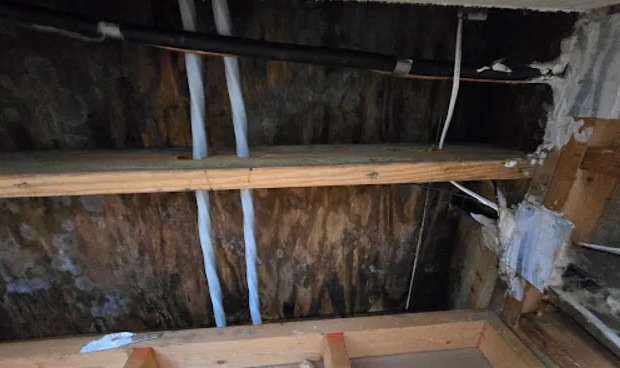
Attic leaks that run for a long time in Taylor can rot roof decking and rust fasteners. Even after the roof is fixed, that wood stays wet unless it is dried.
Homes in Taylor and nearby Allen Park, Southgate and Inkster often have AC units, ducts and plumbing in the attic, as well as insulation. The pros handle water from any of those sources, plus roof leaks after storms.
Comprehensive Attic Water Removal Offerings
Attic Mold Prevention
Fast drying is the main protection. Antimicrobial treatment is added only where framing and decking stayed wet long enough to need it.
Attic Leak Water Cleanup
Water-stained debris, wet cardboard and soaked stored items are cleared out so the attic floor can be dried.
Attic Moisture Inspection
Readings are recorded at the start and at each visit, giving a clear drying history for your records and insurer.
Emergency Attic Water Extraction
Water sitting on top of ceiling drywall adds weight fast. Removing it quickly can mean the difference between drying a ceiling and replacing it.
Wet Attic Insulation Removal
Insulation that got soaked is removed from the wet bays and bagged. Leaving it in place keeps the ceiling drywall damp for weeks.
When to Consider Attic Water Removal in Taylor
Peeling Paint on Ceilings or Walls
Paint that peels or blisters on upstairs ceilings and walls often has water behind it.
Water Dripping From Light Fixtures
Water dripping from a ceiling light or fan means an active leak above. Turn off that circuit.
Condensation on Attic Windows or Nails
Damp nail tips or water droplets on attic surfaces point to moisture or ventilation problems.
Rotting Wood on Attic Beams
Soft, dark or crumbling wood on rafters and beams points to long-term moisture.
How Attic Water Removal Works in Taylor
Step 1: Initial Attic Water Damage Assessment
The pros check safety, find the source and map the wet area with moisture meters.
Step 2: Bulk Water and Material Removal
Pooled water, soaked insulation and any sagging drywall are removed from the attic and ceiling.
Step 3: Attic Drying and Evaporation
Warm, dry airflow is aimed at wet wood, with dehumidifiers removing the moisture it releases.
Step 4: Attic Mold Prevention
Once dry, decking and framing that stayed wet can be cleaned and treated with an antimicrobial.
Leading Origins of Attic Water Damage
HVAC System Leaks or Drain Pan Overflow
An attic air handler overflows when its condensate line clogs or the drain pan cracks.
Roof Leaks From Damaged Shingles
Cracked, missing or lifted shingles let rain reach the decking and drip into the attic.
Condensation From Poor Attic Ventilation
Moist air from the house condenses on roof decking when attic ventilation is poor.
Clogged or Disconnected Gutters
Clogged or loose gutters let water back up under the roof edge and into the soffits.
Residential and Commercial Attic Water Removal in Taylor
Residential Attic Water Removal
In houses, attic water usually reaches a bedroom or hallway ceiling. Water and wet insulation are removed from above, and the ceiling below is dried or replaced.
Commercial Attic Water Removal
In commercial buildings, water above a drop ceiling soaks tiles and insulation over several rooms. Wet tiles are removed and the plenum space above is dried.
Professional Attic Water Removal Compared to DIY
A fan in the room below does little for wet attic wood. Drying the attic takes equipment up there and readings to confirm it is dry.
Estimating Attic Water Removal Expenses in Taylor
Roof or plumbing repair is billed separately from water removal and drying. In Taylor, both are needed after most attic leaks.
Mold Prevention Measures
Antimicrobial treatment of wood that stayed wet is an added step, priced by area.
Drying Time Required
Dense wood framing can take several days to dry, which adds equipment time.
Emergency Service Timing
Storm, night and holiday calls can cost more than a scheduled visit.
Does Insurance Cover Attic Water Removal?
Photos, moisture readings and drying logs from local attic water removal pros help support an insurance claim for attic water damage in Taylor.
Selecting Local Pros in Taylor for Attic Water Removal
Source Identification
The pros trace the water to its source and note it for the roofer or plumber.
Industry Drying Standards
Drying follows industry water damage standards, with moisture readings taken at every visit.
Dehumidification Equipment
Dehumidifiers sized for the attic remove moisture much faster than roof vents and open hatches alone.
24/7 Emergency Attic Water Removal in Taylor
Ceiling sagging under the weight of water? Keep people out of the room below and call (313) 766-2970 now for attic water removal in Taylor.
Call Now (313) 766-2970Attic Water Removal Near Taylor: Areas Served
Help with attic water removal reaches Allen Park, Southgate and Inkster, plus other communities around Taylor, for one-story and two-story homes alike.
- Attic Water Removal in Allen Park
- Attic Water Removal in Southgate
- Attic Water Removal in Inkster
- Attic Water Removal in Lincoln Park
- Attic Water Removal in Melvindale
- Attic Water Removal in Garden City
- Attic Water Removal in Riverview
- Attic Water Removal in Dearborn Heights
- Emergency Damage Restoration in 48180
- Storm Damage Restoration in 48180
- Water Damage Restoration in 48180
- Water Extraction Service in 48180
- Water Leak Detection in 48180
- Water Removal Service in 48180
Frequently Asked Questions About Attic Water Removal
Do I need ceiling water damage cleanup too?
Usually. Water in the attic soaks the ceiling below, which needs to be checked and dried or replaced.
Can wet attic insulation be saved?
Lightly damp areas sometimes dry, but soaked or matted insulation is usually removed and replaced after the attic dries.
What should I do while waiting for attic leak water cleanup?
Catch drips, move belongings, stay out from under sagging ceilings and turn off power to wet light fixtures.
Why is emergency attic drying important?
Wet wood and drywall break down quickly. Drying fast saves more of the ceiling and lowers the risk of microbial growth.
What equipment is used for attic water extraction?
Wet vacs, pumps, air movers, dehumidifiers, moisture meters and thermal cameras, plus vacuums for wet insulation.