Taylor, MI · Wayne County
Desiccant Dehumidification in Taylor, MIFlood Drying Services & Mold Prevention Drying
After a flood, Desiccant Dehumidification in Taylor means flood drying services, emergency dehumidification and water damage dehumidification.
Answered 24/7
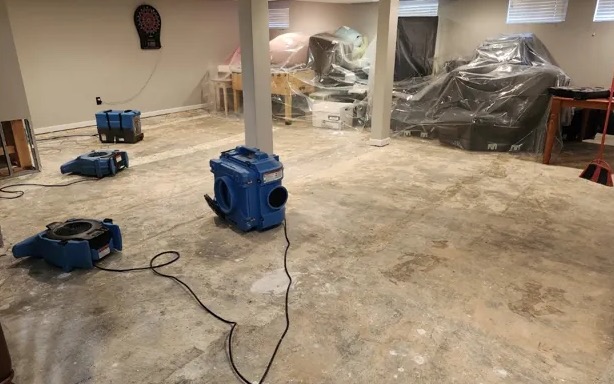
Local Desiccant Dehumidification Services for Taylor
Desiccant Dehumidification in Taylor is not needed for every job. Small leaks in warm rooms often dry well with standard dehumidifiers. Cool spaces, large buildings and dense materials are where desiccant units help most.
Homes, job sites and commercial buildings in Taylor and nearby Allen Park, Southgate and Inkster sometimes need more drying power than standard equipment provides. Help with desiccant dehumidification covers those cases.
Desiccant Dehumidification Options Available in Taylor
Flood Drying Services
After floodwater is pumped out, desiccant dehumidifiers can bring the air to very low humidity, which pulls moisture out of walls, floors and framing faster.
Mold Prevention Drying
Drying continues until readings on the remaining framing are normal, before walls are closed up again.
Water Damage Dehumidification
After a leak or flood, dehumidifiers remove moisture from the air so wet drywall, wood and carpet can dry out.
Emergency Dehumidification
Help is available any hour to set up drying equipment after a leak or flood, so moisture does not sit overnight in materials.
Crawl Space Drying
Water is removed from the crawl space first, then desiccant drying brings humidity down so the framing can dry.
Indicators for Desiccant Dehumidification in Your Taylor Home
Spongy Drywall or Soft Spots
Drywall that feels soft or spongy has absorbed water and may need removal if it does not dry.
Peeling Paint or Wallpaper
Paint or wallpaper that peels after a leak has moisture behind it that has not dried.
Strong Damp Odor in Rooms
A damp smell that stays in a room after cleanup means materials there are still holding moisture.
Wet Insulation in Attics or Walls
Insulation that is wet in attics or walls holds water against framing and slows drying.
How Desiccant Dehumidification Works in Taylor
Step 1: First Call and Setup
Help is available any hour, and drying equipment is set up as soon as standing water is removed.
Step 2: Dry Air Environment
The space is closed off so dehumidifiers can bring humidity down quickly.
Step 3: Continuous Moisture Removal
Equipment runs around the clock, pulling moisture from walls, floors and framing.
Step 4: Restoration Verification
Readings are compared to unaffected dry areas before any equipment is removed from the site.
Origins of Dampness and Desiccant Dehumidification in Taylor Buildings
New Construction Moisture Trapped
New concrete, drywall mud and framing on job sites hold moisture until they are dried.
Fire Suppression System Activation
Fire sprinklers and firefighting water soak large areas of a building at once.
Severe Weather and Storm Flooding
Storms and flooding soak lower levels and leave large volumes of wet material.
Groundwater Rise After Heavy Rains
Groundwater rising after long rains keeps crawl spaces and lower levels damp.
Desiccant Dehumidification for All Property Types in Taylor
Residential Desiccant Dehumidification
In homes, desiccant drying is most often used in crawl spaces and cool lower levels after leaks or floods. Standard units are used in warm rooms where they work well.
Commercial Desiccant Dehumidification
In commercial buildings, high-capacity desiccant units can dry large floors and high-ceiling spaces after sprinkler leaks or floods, with drying planned around business hours.
Hiring Local Pros for Desiccant Dehumidification in Taylor
Rented desiccant units need correct setup and ducting to work well. If you are unsure how to place them or when materials are dry, call (313) 766-2970.
Factors in Desiccant Dehumidification Pricing for Taylor
Large commercial buildings and construction sites in Taylor may need high-capacity units and ducting, which affects the total.
Affected Area Size
Larger affected areas need more drying units and more air movers running at once.
Time of Response
Night, weekend and holiday setup can cost more than a scheduled weekday visit.
Moisture Saturation Level
Materials that are fully soaked take longer to dry than lightly damp ones.
Does Insurance Cover Desiccant Dehumidification?
Daily humidity and moisture logs from local drying pros help support an insurance claim for drying after water damage in Taylor.
Benefits of Local Pros for Desiccant Dehumidification in Taylor
Damage Assessment
The full affected area is checked, including rooms next to and below the source.
Post-Flood Drying
Floodwater cleanup is followed by drying that continues until readings are normal.
Prevention of Mold
Fast, complete drying is one of the main ways to keep mold from starting after water damage.
Urgent Desiccant Dehumidification Available in Taylor
The sooner drying starts, the fewer materials need replacing. Call (313) 766-2970 for desiccant dehumidification in Taylor right after a leak or flood.
Call Now (313) 766-2970Desiccant Dehumidification Coverage for Taylor and Beyond
Drying after water damage also covers homes, job sites and businesses in Allen Park, Southgate and Inkster, close to Taylor.
- Desiccant Dehumidification in Allen Park
- Desiccant Dehumidification in Southgate
- Desiccant Dehumidification in Inkster
- Desiccant Dehumidification in Lincoln Park
- Desiccant Dehumidification in Melvindale
- Desiccant Dehumidification in Garden City
- Desiccant Dehumidification in Riverview
- Desiccant Dehumidification in Dearborn Heights
- Emergency Damage Restoration in 48180
- Storm Damage Restoration in 48180
- Water Damage Restoration in 48180
- Water Extraction Service in 48180
- Water Leak Detection in 48180
- Water Removal Service in 48180
Frequently Asked Questions About Desiccant Dehumidification
What is involved in basement dehumidification after a flood?
Removing water, placing dehumidifiers and air movers and running them until concrete and framing read dry.
When is desiccant dehumidification a better choice than refrigerant units?
In cool spaces, very large areas or when very low humidity is needed to dry dense materials.
Why use desiccant drying after a fire?
Firefighting water soaks large areas, and high-capacity drying helps remove that moisture once debris is cleared.
What areas can benefit from moisture control services?
Crawl spaces, lower levels, attics, large commercial spaces and any room where materials got wet.
How is emergency dehumidification different from standard service?
It starts right after a leak or flood, any time of day, so materials do not keep soaking up moisture.