Macomb, MI · Macomb County
Basement Water Damage Restoration in Macomb, MIBasement Mold Prevention & Basement Sewer Backup Cleanup
Basement Water Damage Restoration in Macomb includes emergency basement flood cleanup, basement sewer backup cleanup and basement wall drying.
Answered 24/7
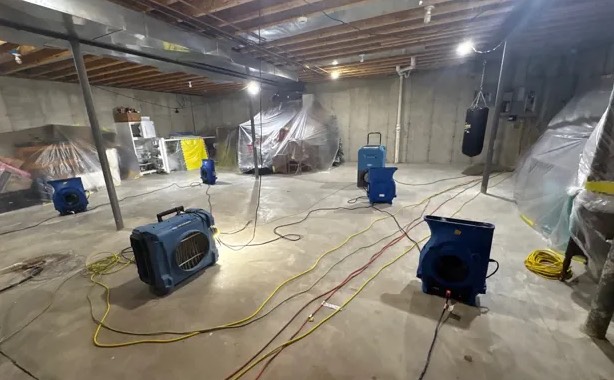
Local Basement Water Damage Restoration Near Macomb
A basement dries slower than any other part of a house. The air is cool, there is little sunlight and the concrete holds moisture for a long time. In Macomb, that makes extraction and steady dehumidification important.
Homes in Macomb and nearby Mount Clemens, Clinton Township and New Baltimore with basements deal with seepage, plumbing leaks and sewer backups. Help with basement water damage restoration covers pumping, removal of wet materials and drying of walls and concrete.
Basement Water Damage Restoration Services in Macomb
Basement Mold Prevention
Keeping basement humidity low after drying helps prevent mold from returning, especially in finished spaces.
Basement Sewer Backup Cleanup
After a sewer backup, cleanup and disinfection come before drying, so contaminated surfaces are not left in place.
Emergency Basement Flood Cleanup
A flooded basement can damage furnaces, water heaters and stored items quickly. Fast pumping limits how much is lost.
Basement Dehumidification
A basement with no moisture problem before the flood may still need a dehumidifier afterward while the concrete dries.
Basement Wall Drying
Wet drywall is cut back above the water line when it is soaked, and the wall cavity and insulation behind it are dried or replaced.
Signs of Basement Water Damage in Macomb
Efflorescence on Concrete Walls
White, chalky deposits on concrete walls mean water is moving through the concrete and leaving minerals behind.
Mold on Surfaces
Dark spots on drywall, framing or stored boxes mean the area has stayed wet for days.
Wet or Stained Basement Walls
Dark, wet patches or tide lines on basement walls show where water seeped in or wicked up.
Sump Pump Failure or Overflow
A sump pump that runs constantly, fails to start or lets the pit overflow puts the basement at risk.
How Basement Water Damage Restoration Works in Macomb
Step 1: Source Control and Extraction
The pipe is shut off, the sump restarted or the backup stopped, then the water is pumped out.
Step 2: Structural Drying Setup
Lower drywall is removed where soaked, and equipment is placed to dry wall cavities and the slab.
Step 3: Contaminant Removal
Materials touched by sewage or dirty water are removed and hard surfaces are cleaned and disinfected.
Step 4: Monitoring and Completion
Daily readings track drying until every material is normal, then equipment is removed.
What Causes Basement Water Damage Restoration in Macomb
Sump Pump Mechanical Failure
A sump pump that fails, loses power or is too small lets groundwater rise into the basement.
Clogged Floor Drains
A floor drain blocked by debris cannot carry off water from a leak or overflow, so it spreads across the basement floor.
Overland Flooding From Storms
Heavy storms and snowmelt can send surface water into basements through doors and walls.
Foundation Cracks and Leaks
Cracks in foundation walls let groundwater and melting snow seep into the basement.
Basement Water Damage Restoration for All Properties in Macomb
Residential Basement Water Damage Restoration
A sewer backup in a home basement needs contaminated carpet, pad and drywall removed and every hard surface disinfected before drying.
Commercial Basement Water Damage Restoration
In restaurants and stores with basements, sewage backups need fast containment so contamination does not reach food or customer areas.
When to DIY and When to Call the Pros for Basement Water Damage Restoration
You can move belongings off the floor and run a household dehumidifier. Drying soaked walls and slabs needs larger equipment and moisture readings to confirm the space is truly dry.
Factors Affecting Basement Water Damage Restoration Cost in Macomb
A basement pumped and dried right away in Macomb usually costs less than one left wet for days, when more drywall and flooring are lost.
Access Complexity
Narrow stairs, low ceilings and stored contents can make the work slower.
Material Saturation
Finished basements with carpet, drywall and insulation take more removal work than bare concrete.
Secondary Damage
Damage to furnaces, water heaters and belongings adds repair and replacement costs.
Does Insurance Cover Basement Water Damage Restoration?
Coverage for groundwater seepage and backups varies widely between policies. Ask your adjuster whether your policy includes it before work begins.
Advantages of Hiring Local Pros in Macomb for Basement Water Damage Restoration
Industrial-Grade Equipment
Pumps, extractors and large dehumidifiers remove water much faster than household wet vacs and fans.
Industry Drying Standards
Drying follows industry water damage standards, with readings taken at every visit.
Advanced Moisture Detection
Moisture meters and thermal cameras find water in walls and slabs that looks dry.
24/7 Emergency Basement Water Damage Restoration for Macomb
Sewage coming up through a floor drain? Stop using water in the house and call (313) 766-2970 now for basement water damage restoration in Macomb.
Call Now (313) 766-2970Basement Water Damage Restoration Serving Macomb, Mount Clemens, Clinton Township and New Baltimore
Besides Macomb, local water removal pros handle basement pumping, drying and dehumidification in nearby Mount Clemens, Clinton Township and New Baltimore.
- Basement Water Damage Restoration in Mount Clemens
- Basement Water Damage Restoration in Clinton Township
- Basement Water Damage Restoration in New Baltimore
- Basement Water Damage Restoration in Shelby Township
- Basement Water Damage Restoration in Harrison Township
- Basement Water Damage Restoration in Sterling Heights
- Basement Water Damage Restoration in Fraser
- Basement Water Damage Restoration in Washington
- Emergency Damage Restoration in 48042
- Storm Damage Restoration in 48042
- Water Damage Restoration in 48042
- Water Extraction Service in 48042
- Water Leak Detection in 48042
- Water Removal Service in 48042
- Emergency Damage Restoration in 48044
- Storm Damage Restoration in 48044
Frequently Asked Questions About Basement Water Damage Restoration
What equipment is used for below-grade water damage repair?
Submersible pumps, extractors, air movers, large dehumidifiers, moisture meters and air scrubbers for dust and odor.
What are signs of hidden moisture after below-grade water extraction?
Musty smells, tide lines on walls, damp carpet edges and moisture readings that stay high in walls or the slab.
Should I try below-grade waterproofing myself after flooding?
Sealing a small crack can be a DIY job, but drying must come first, and larger waterproofing work should go to a contractor.
What causes the most common below-grade leaks in homes?
Sump pump failures, foundation cracks, clogged drain tile, sewer backups and burst pipes in the basement ceiling.
Why is quick action important for below-grade flood restoration?
Basements dry slowly, so every hour of standing water adds days of drying and more material to replace.