Washington, MI · Macomb County
Basement Water Damage Restoration in Washington, MIBasement Water Extraction & Basement Dehumidification
Basement Water Damage Restoration in Washington includes emergency basement flood cleanup, basement sewer backup cleanup and basement wall drying.
Answered 24/7
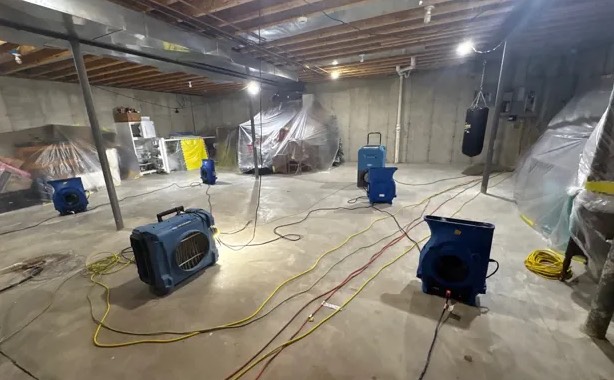
Expert Basement Water Damage Restoration Serving Washington
Basement Water Damage Restoration in Washington usually involves two parts: the emergency work of removing water and the slower work of drying a below-grade space. Both matter for keeping repairs small.
A finished basement or lower level in Washington or Shelby Township, Romeo and Rochester can hide old moisture behind drywall and flooring. The pros find the water and dry the space before more damage sets in.
Basement Water Damage Restoration Services in Washington
Basement Water Extraction
Submersible pumps remove deep standing water, then portable extractors pull water from carpet, pad and the concrete floor.
Basement Dehumidification
Dehumidification continues until humidity and material readings are normal. Turning it off too early lets moisture return.
Basement Wall Drying
Concrete and block walls are dried with directed airflow and dehumidifiers, and checked with meters until readings drop.
Basement Drying Services
Air movers and dehumidifiers are placed to dry walls, framing and the slab. Below-grade rooms dry slowly, so readings are taken daily.
Basement Mold Prevention
After drying, an antimicrobial can be applied to framing and concrete that were wet, to slow mold on surfaces that stay in place.
When to Consider Basement Water Damage Restoration for Your Washington Home
Peeling Paint or Wallpaper
Paint that peels or blisters on basement walls often has moisture behind it.
Warped or Buckling Basement Floors
Laminate, wood or vinyl flooring that buckles or lifts in the basement has water underneath.
High Humidity Levels Below-Grade
A basement that stays damp and clammy even on dry days has a moisture source that needs attention.
Wet or Stained Basement Walls
Dark, wet patches or tide lines on basement walls show where water seeped in or wicked up.
How Basement Water Damage Restoration Works in Washington
Step 1: Water Removal
Pumps and extractors remove standing water from the basement floor, starting at the lowest point.
Step 2: Targeted Moisture Evaporation
Air movers are aimed at wet walls, framing and the slab to speed evaporation.
Step 3: Humidity Control
Large dehumidifiers pull moisture from the basement air, with readings checked every day.
Step 4: Final Verification and Restoration
Final readings confirm the basement is dry, and the space is ready for drywall and flooring repairs.
What Causes Basement Water Damage Restoration in Washington
Foundation Cracks and Leaks
Cracks in foundation walls let groundwater and melting snow seep into the basement.
Sump Pump Mechanical Failure
A sump pump that fails, loses power or is too small lets groundwater rise into the basement.
High Water Table and Hydrostatic Pressure
A high water table pushes groundwater up through the slab and into the joints between wall and floor.
HVAC Condensate Line Overflow
A clogged furnace or air conditioner condensate line can overflow onto the floor of a basement or lower-level utility room.
Home and Business Basement Water Damage Restoration in Washington
Residential Basement Water Damage Restoration
A sewer backup in a home basement needs contaminated carpet, pad and drywall removed and every hard surface disinfected before drying.
Commercial Basement Water Damage Restoration
In restaurants and stores with basements, sewage backups need fast containment so contamination does not reach food or customer areas.
Basement Water Damage Restoration vs. DIY: When to Call the Pros
Sewage in a basement should not be cleaned up without gloves, boots and eye protection. For any backup through a floor drain or toilet, call local water removal pros.
Factors Affecting Basement Water Damage Restoration Cost in Washington
In Washington, basement jobs often run longer than upper-floor jobs because concrete dries slowly. Equipment days make up much of the bill.
Drying Time Required
Basements dry slowly, and longer drying means more equipment days and monitoring visits.
Access Complexity
Narrow stairs, low ceilings and stored contents can make the work slower.
Water Category
Clean water costs less to handle than sewage, which needs protective gear, removal and disinfection.
Does Insurance Cover Basement Water Damage Restoration?
Coverage for basement water damage restoration depends on where the water came from and your policy terms. The pros document the damage, and your insurer decides what is covered.
Advantages of Hiring Local Pros in Washington for Basement Water Damage Restoration
24/7 Emergency Response
Help is available day or night when water is rising in the basement.
Industrial-Grade Equipment
Pumps, extractors and large dehumidifiers remove water much faster than household wet vacs and fans.
Water Type Handling
Clean water, gray water and sewage are each handled with the right protection and removal steps.
Round-the-Clock Emergency Basement Water Damage Restoration in Washington
If water is near outlets or the electrical panel, do not walk into it. Call (313) 766-2970 for help in Washington and wait for the power to be made safe.
Call Now (313) 766-2970Basement Water Damage Restoration Near Washington: Areas Served
Nearby areas served for basement water damage restoration include Shelby Township, Romeo and Rochester, with the same pumping and drying steps used in Washington.
- Basement Water Damage Restoration in Shelby Township
- Basement Water Damage Restoration in Romeo
- Basement Water Damage Restoration in Rochester
- Basement Water Damage Restoration in Armada
- Basement Water Damage Restoration in Sterling Heights
- Basement Water Damage Restoration in Macomb
- Basement Water Damage Restoration in Lake Orion
- Basement Water Damage Restoration in New Haven
- Emergency Damage Restoration in 48094
- Storm Damage Restoration in 48094
- Water Damage Restoration in 48094
- Water Extraction Service in 48094
- Water Leak Detection in 48094
- Water Removal Service in 48094
- Emergency Damage Restoration in 48095
- Storm Damage Restoration in 48095
Your Basement Water Damage Restoration Questions Addressed
How long does below-grade drying take after a flood?
Often several days or longer, since concrete and cool basement air dry slowly. Daily readings show progress.
What health risks come with delayed basement flood cleanup?
Standing water and wet materials can support bacteria and microbial growth, and sewage carries contaminants that need disinfection.
What is involved in basement water damage restoration?
Pumping out water, removing soaked materials, cleaning contaminated areas, drying walls, framing and concrete, and dehumidifying until readings are normal.
What does below-grade moisture removal include beyond pumping?
Extracting carpet and pad, opening wet walls, running air movers and dehumidifiers, and checking readings until dry.
Is basement floor water removal different from carpet extraction?
Yes. Bare concrete is squeegeed and dried, while carpet and pad need extraction, and the pad is usually replaced.