Saline, MI · Washtenaw County
Basement Water Damage Restoration in Saline, MIBasement Floor Water Removal & Basement Wall Drying
Basement Water Damage Restoration in Saline includes emergency basement flood cleanup, basement sewer backup cleanup and basement wall drying.
Answered 24/7
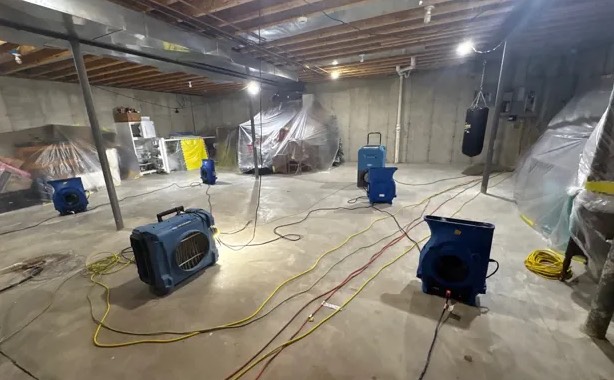
Basement Water Damage Restoration for Saline Homes
Basements collect water from every direction: rain seeping through walls, groundwater pushing up through the slab, sewage backing up through floor drains and pipes bursting overhead. In a Saline home with a basement or below-grade room, any of these can leave inches of water on the floor.
A finished basement or lower level in Saline or Milan, Ann Arbor and Ypsilanti can hide old moisture behind drywall and flooring. The pros find the water and dry the space before more damage sets in.
The Basement Water Damage Restoration Process in Saline
Basement Floor Water Removal
A slab can look dry on top while still holding water. Moisture readings show when it is ready for new flooring.
Basement Wall Drying
Concrete and block walls are dried with directed airflow and dehumidifiers, and checked with meters until readings drop.
Basement Dehumidification
Large dehumidifiers pull moisture from the basement air so walls, framing and the slab can release their water.
Basement Water Extraction
Basement water is removed before drying starts, because every gallon left behind keeps the walls and air damp.
Basement Mold Prevention
Keeping basement humidity low after drying helps prevent mold from returning, especially in finished spaces.
How to Know You Need Basement Water Damage Restoration in Saline
High Humidity Levels Below-Grade
A basement that stays damp and clammy even on dry days has a moisture source that needs attention.
Sump Pump Failure or Overflow
A sump pump that runs constantly, fails to start or lets the pit overflow puts the basement at risk.
Sewage Odors or Backups
Sewage smells or water coming up through a floor drain mean the sewer line is backing up.
Peeling Paint or Wallpaper
Paint that peels or blisters on basement walls often has moisture behind it.
How Basement Water Damage Restoration Works in Saline
Step 1: Source Control and Extraction
The pipe is shut off, the sump restarted or the backup stopped, then the water is pumped out.
Step 2: Structural Drying Setup
Lower drywall is removed where soaked, and equipment is placed to dry wall cavities and the slab.
Step 3: Contaminant Removal
Materials touched by sewage or dirty water are removed and hard surfaces are cleaned and disinfected.
Step 4: Monitoring and Completion
Daily readings track drying until every material is normal, then equipment is removed.
Typical Sources of Basement Water Damage in Saline
Plumbing Pipe Bursts or Leaks
Supply lines and drain pipes in basement ceilings can crack or burst onto the floor below.
Foundation Cracks and Leaks
Cracks in foundation walls let groundwater and melting snow seep into the basement.
HVAC Condensate Line Overflow
A clogged furnace or air conditioner condensate line can overflow onto the floor of a basement or lower-level utility room.
High Water Table and Hydrostatic Pressure
A high water table pushes groundwater up through the slab and into the joints between wall and floor.
Basement Water Damage Restoration for All Properties in Saline
Residential Basement Water Damage Restoration
In homes, a flooded basement often means damaged carpet, drywall, a furnace or water heater and stored belongings. Water is pumped out, contents are moved and the space is dried.
Commercial Basement Water Damage Restoration
In commercial buildings, basements hold mechanical rooms, storage and sometimes offices. Water is removed and equipment areas are dried so systems can be checked and restarted.
Professional Basement Water Damage Restoration or DIY in Saline?
If a small leak left a puddle on bare concrete, a wet vac and a dehumidifier may be enough. Call local restoration pros if water reached drywall, carpet or framing, or if it came from a sewer drain.
Factors Affecting Basement Water Damage Restoration Cost in Saline
Before pricing basement water damage restoration in Saline, the pros check the water depth, the type of water and what the basement is finished with.
Access Complexity
Narrow stairs, low ceilings and stored contents can make the work slower.
Dehumidification Needs
Large dehumidifiers may need to run longer in below-grade spaces than in upper floors.
Emergency Service
Night, weekend and storm calls can cost more than a scheduled visit.
Does Insurance Cover Basement Water Damage Restoration?
Coverage for groundwater seepage and backups varies widely between policies. Ask your adjuster whether your policy includes it before work begins.
Reasons to Hire Local Pros for Basement Water Damage Restoration in Saline
Containment Strategies
Plastic sheeting keeps contaminated areas separate from clean parts of the house.
Advanced Moisture Detection
Moisture meters and thermal cameras find water in walls and slabs that looks dry.
Water Type Handling
Clean water, gray water and sewage are each handled with the right protection and removal steps.
Emergency Basement Water Damage Restoration Available in Saline
Every hour of standing water in a basement means more drywall and flooring to replace. Call (313) 766-2970 for basement water damage restoration in Saline.
Call Now (313) 766-2970Local Basement Water Damage Restoration Coverage: Saline and Beyond
Nearby areas served for basement water damage restoration include Milan, Ann Arbor and Ypsilanti, with the same pumping and drying steps used in Saline.
- Basement Water Damage Restoration in Milan
- Basement Water Damage Restoration in Ann Arbor
- Basement Water Damage Restoration in Ypsilanti
- Basement Water Damage Restoration in Dexter
- Basement Water Damage Restoration in Dundee
- Basement Water Damage Restoration in Chelsea
- Basement Water Damage Restoration in Whitmore Lake
- Basement Water Damage Restoration in Canton
- Emergency Damage Restoration in 48176
- Storm Damage Restoration in 48176
- Water Damage Restoration in 48176
- Water Extraction Service in 48176
- Water Leak Detection in 48176
- Water Removal Service in 48176
FAQ for Basement Water Damage Restoration in Saline
What does below-grade moisture removal include beyond pumping?
Extracting carpet and pad, opening wet walls, running air movers and dehumidifiers, and checking readings until dry.
What is the purpose of basement wall drying?
To remove water from drywall, insulation, framing and concrete so the walls can be repaired without trapping moisture.
Is basement floor water removal different from carpet extraction?
Yes. Bare concrete is squeegeed and dried, while carpet and pad need extraction, and the pad is usually replaced.
What causes the most common below-grade leaks in homes?
Sump pump failures, foundation cracks, clogged drain tile, sewer backups and burst pipes in the basement ceiling.
How soon should I call for basement water extraction after a leak?
Right away. Water wicks up drywall and soaks framing within hours, and below-grade spaces are slow to dry.