Waterford Township, MI · Oakland County
Basement Water Damage Restoration in Waterford Township, MIBasement Water Extraction & Basement Drying Services
Get basement water damage restoration in Waterford Township for basement floor water removal, basement mold prevention and basement drying services.
Answered 24/7
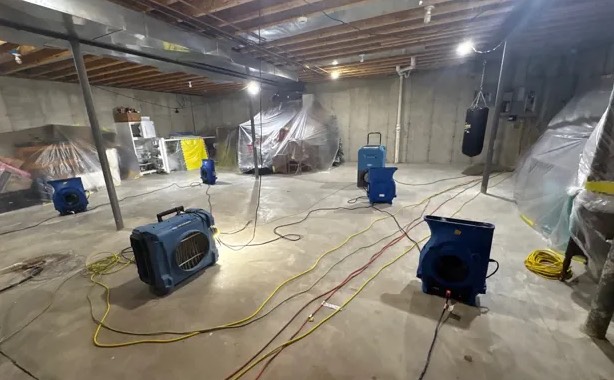
Basement Water Damage Restoration for Waterford Township Homes
In a Waterford Township home with a basement and a sump pump, a pump that fails during heavy rain lets water rise fast. Furnaces, water heaters, washers and stored belongings all sit at floor level and take the damage first.
In Waterford Township, a home with a basement or below-grade room can flood after heavy rain or a blocked sewer line. Local water damage pros serve Waterford Township, Pontiac, West Bloomfield and Commerce Township, pumping out water and drying finished and unfinished spaces.
Complete Basement Water Damage Restoration for Waterford Township
Basement Water Extraction
Extraction starts at the lowest point, often near the floor drain or sump, and works outward until no pooled water remains.
Basement Drying Services
Air movers and dehumidifiers are placed to dry walls, framing and the slab. Below-grade rooms dry slowly, so readings are taken daily.
Emergency Basement Flood Cleanup
Emergency cleanup starts with stopping the source where possible, checking for electrical hazards and pumping out the water.
Basement Floor Water Removal
A slab can look dry on top while still holding water. Moisture readings show when it is ready for new flooring.
Basement Mold Prevention
Keeping basement humidity low after drying helps prevent mold from returning, especially in finished spaces.
When to Consider Basement Water Damage Restoration for Your Waterford Township Home
Warped or Buckling Basement Floors
Laminate, wood or vinyl flooring that buckles or lifts in the basement has water underneath.
Rusted Appliances or Pipes
Rust on the water heater, furnace base or pipes points to repeated moisture or past flooding.
Wet or Stained Basement Walls
Dark, wet patches or tide lines on basement walls show where water seeped in or wicked up.
Condensation on Windows or Pipes
Water beading on cold pipes or basement windows shows high humidity that keeps materials damp.
How Basement Water Damage Restoration Works in Waterford Township
Step 1: Source Control and Extraction
The pipe is shut off, the sump restarted or the backup stopped, then the water is pumped out.
Step 2: Structural Drying Setup
Lower drywall is removed where soaked, and equipment is placed to dry wall cavities and the slab.
Step 3: Contaminant Removal
Materials touched by sewage or dirty water are removed and hard surfaces are cleaned and disinfected.
Step 4: Monitoring and Completion
Daily readings track drying until every material is normal, then equipment is removed.
Frequent Sources of Water Damage in Waterford Township
Stormwater Runoff Into Lower Levels
Heavy rain running off hard ground or a sloped yard can pour down stairwells and under doors into below-grade rooms.
Sewer Line Backups
A blocked or overloaded sewer line pushes wastewater up through basement drains and toilets.
Window Well Flooding
Window wells without drains or covers fill with rain and leak through basement windows.
High Water Table and Hydrostatic Pressure
A high water table pushes groundwater up through the slab and into the joints between wall and floor.
Both Residential & Commercial Basement Water Damage Restoration in Waterford Township
Residential Basement Water Damage Restoration
In homes, a flooded basement often means damaged carpet, drywall, a furnace or water heater and stored belongings. Water is pumped out, contents are moved and the space is dried.
Commercial Basement Water Damage Restoration
In commercial buildings, basements hold mechanical rooms, storage and sometimes offices. Water is removed and equipment areas are dried so systems can be checked and restarted.
When to DIY and When to Call the Pros for Basement Water Damage Restoration
Do not walk into standing basement water if outlets, cords or appliances are submerged. Shut off power at the panel if you can reach it safely, then call (313) 766-2970.
Cost Considerations for Basement Water Damage Restoration in Waterford Township
Before pricing basement water damage restoration in Waterford Township, the pros check the water depth, the type of water and what the basement is finished with.
Dehumidification Needs
Large dehumidifiers may need to run longer in below-grade spaces than in upper floors.
Drying Time Required
Basements dry slowly, and longer drying means more equipment days and monitoring visits.
Emergency Service
Night, weekend and storm calls can cost more than a scheduled visit.
Does Insurance Cover Basement Water Damage Restoration?
Coverage for groundwater seepage and backups varies widely between policies. Ask your adjuster whether your policy includes it before work begins.
Benefits of Local Pros for Basement Water Damage Restoration in Waterford Township
24/7 Emergency Response
Help is available day or night when water is rising in the basement.
Structural Integrity Assessment
Walls, stairs and framing are checked for damage before work begins in the basement.
Water Extraction First
Water is removed from floors, carpet and pad before drying starts, which shortens drying time.
24/7 Emergency Basement Water Damage Restoration for Waterford Township
A flooded basement damages walls, furnaces, water heaters and belongings quickly. Call (313) 766-2970 for basement water damage restoration in Waterford Township at any hour.
Call Now (313) 766-2970Basement Water Damage Restoration Available Throughout Oakland County
Help with basement water damage restoration reaches Pontiac, West Bloomfield and Commerce Township, plus other communities around Waterford Township, for finished and unfinished basements alike.
- Basement Water Damage Restoration in Pontiac
- Basement Water Damage Restoration in West Bloomfield
- Basement Water Damage Restoration in Commerce Township
- Basement Water Damage Restoration in Auburn Hills
- Basement Water Damage Restoration in Orion Township
- Basement Water Damage Restoration in White Lake
- Basement Water Damage Restoration in Bloomfield Township
- Basement Water Damage Restoration in Walled Lake
- Emergency Damage Restoration in 48329
- Storm Damage Restoration in 48329
- Water Damage Restoration in 48329
- Water Extraction Service in 48329
- Water Leak Detection in 48329
- Water Removal Service in 48329
FAQ for Basement Water Damage Restoration in Waterford Township
How is basement sewer backup cleanup different from regular flooding?
Sewage carries bacteria, so it needs protective gear, removal of porous materials and disinfection before drying.
What are signs of hidden moisture after below-grade water extraction?
Musty smells, tide lines on walls, damp carpet edges and moisture readings that stay high in walls or the slab.
Is basement floor water removal different from carpet extraction?
Yes. Bare concrete is squeegeed and dried, while carpet and pad need extraction, and the pad is usually replaced.
How is basement restoration documented for insurance?
With photos of the water level and damage, moisture readings, a list of removed materials and daily drying logs.
Why is dehumidification so important after basement water removal?
Basements hold moisture in the air and concrete. Without dehumidifiers, walls and framing stay damp long after the water is gone.