Auburn Hills, MI · Oakland County
Desiccant Dehumidification in Auburn Hills, MIEmergency Dehumidification & Flood Drying Services
Desiccant Dehumidification in Auburn Hills covers flood drying services, crawl space drying and emergency dehumidification.
Answered 24/7
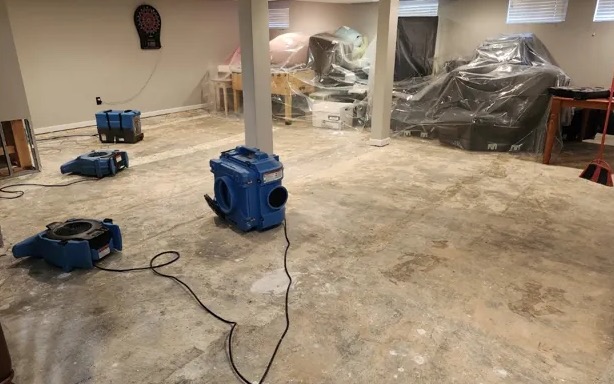
Expert Desiccant Dehumidification for Auburn Hills Properties
Crawl spaces in Auburn Hills are cool, damp and tight, which slows drying with standard equipment. Desiccant units push dry air in to pull moisture from the joists and subfloor.
A flood in a large Auburn Hills building can need high-capacity drying. Local moisture removal pros serve Auburn Hills and nearby Pontiac, Orion Township and Rochester, with help available around the clock.
Desiccant Dehumidification Services in Auburn Hills
Emergency Dehumidification
Emergency dehumidification starts as soon as standing water is removed, which limits swelling, warping and odor.
Flood Drying Services
Floodwater is treated as contaminated, so soaked porous materials are removed and surfaces cleaned before drying starts.
Water Damage Dehumidification
After a leak or flood, dehumidifiers remove moisture from the air so wet drywall, wood and carpet can dry out.
Construction Drying Services
Construction drying speeds up schedules by lowering humidity so slabs and drywall reach the moisture levels flooring and paint need.
Basement Dehumidification
Basement concrete and framing release water slowly. Desiccant drying keeps humidity low so they can dry in a reasonable time.
Symptoms Requiring Desiccant Dehumidification in Auburn Hills
Visible Condensation on Windows
Windows that fog or drip inside show the air holds too much moisture for materials to dry.
Active Mold Spots
Dark spots appearing on walls or ceilings mean materials stayed damp long enough for mold.
Wet Insulation in Attics or Walls
Insulation that is wet in attics or walls holds water against framing and slows drying.
High Humidity Readings on Meter
A hygrometer that keeps reading high humidity days after a leak shows the space is not drying.
How Desiccant Dehumidification Works in Auburn Hills
Step 1: Emergency Moisture Evaluation
The wet area is mapped and the right size and type of dehumidifier is chosen.
Step 2: High-Capacity Setup
Large desiccant units are placed for big spaces or cool areas where standard units struggle.
Step 3: Active Drying Cycle
Dry air is moved across wet materials, with daily readings to track progress.
Step 4: Completion and Insurance Records
Final readings and daily drying logs are compiled into a record for your insurer.
Origins of Dampness and Desiccant Dehumidification in Auburn Hills Buildings
Fire Suppression System Activation
Fire sprinklers and firefighting water soak large areas of a building at once.
HVAC System Condensation Issues
Clogged AC drain lines overflow into attics, closets and the ceilings below them.
New Construction Moisture Trapped
New concrete, drywall mud and framing on job sites hold moisture until they are dried.
Poor Ventilation in Enclosed Areas
Closed, poorly ventilated spaces trap moisture and dry very slowly after water damage.
Desiccant Dehumidification for All Property Types in Auburn Hills
Residential Desiccant Dehumidification
In homes, desiccant drying is most often used in crawl spaces and cool lower levels after leaks or floods. Standard units are used in warm rooms where they work well.
Commercial Desiccant Dehumidification
In commercial buildings, high-capacity desiccant units can dry large floors and high-ceiling spaces after sprinkler leaks or floods, with drying planned around business hours.
Hiring Local Pros for Desiccant Dehumidification in Auburn Hills
For a small spill in a warm room, a household dehumidifier and fan may be enough. Call local moisture removal pros if drywall, flooring or framing got wet or the space is cool and damp.
Understanding Desiccant Dehumidification Expenses in Auburn Hills
Large commercial buildings and construction sites in Auburn Hills may need high-capacity units and ducting, which affects the total.
Access and Complexity
Crawl spaces, tight areas and large buildings take more effort to set up and monitor.
Number of Dehumidifiers
The number and size of dehumidifiers needed for the space is a major part of the cost.
Additional Restoration Steps
Extraction, material removal and cleaning before drying are separate steps that add to the total.
Does Insurance Cover Desiccant Dehumidification?
Insurers often want proof that drying was needed and that it worked. Starting and final moisture readings from the job show both.
Benefits of Local Pros for Desiccant Dehumidification in Auburn Hills
Large Projects
Large buildings and job sites get drying plans that keep work and business moving.
Desiccant Equipment
Desiccant units are used where they fit, such as cool spaces, crawl spaces and large buildings.
Structural Drying
Walls, floors and framing are dried, not just the air in the room.
Round-the-Clock Desiccant Dehumidification in Auburn Hills, MI
Water damage that needs drying in Auburn Hills? Call (313) 766-2970 to get dehumidifiers and air movers in place. Help is available 24/7.
Call Now (313) 766-2970Desiccant Dehumidification Near Auburn Hills: Areas Served
Nearby areas served for desiccant dehumidification include Pontiac, Orion Township and Rochester, with the same equipment and readings used in Auburn Hills.
- Desiccant Dehumidification in Pontiac
- Desiccant Dehumidification in Orion Township
- Desiccant Dehumidification in Rochester
- Desiccant Dehumidification in Lake Orion
- Desiccant Dehumidification in Troy
- Desiccant Dehumidification in Waterford Township
- Desiccant Dehumidification in Bloomfield Township
- Desiccant Dehumidification in West Bloomfield
- Emergency Damage Restoration in 48321
- Storm Damage Restoration in 48321
- Water Damage Restoration in 48321
- Water Extraction Service in 48321
- Water Leak Detection in 48321
- Water Removal Service in 48321
- Emergency Damage Restoration in 48326
- Storm Damage Restoration in 48326
Answers to Top Desiccant Dehumidification Queries
Can desiccant dehumidification dry behind walls?
Dry air helps, especially when directed into wall cavities through small openings, with readings to confirm results.
What is involved in basement dehumidification after a flood?
Removing water, placing dehumidifiers and air movers and running them until concrete and framing read dry.
How long does crawl space drying typically take?
Often several days, depending on how wet the framing is and how cool and damp the space stays.
What equipment is used for commercial building drying?
High-capacity desiccant or refrigerant dehumidifiers, air movers, moisture meters and sometimes ducting to direct dry air.
What are the benefits of construction drying services?
Drying slabs and drywall on schedule so flooring and finishes are not installed over damp materials.