Clinton Township, MI · Macomb County
Desiccant Dehumidification in Clinton Township, MICrawl Space Drying & Emergency Dehumidification
Property owners in Clinton Township get Desiccant Dehumidification for water damage dehumidification, crawl space drying and flood drying services.
Answered 24/7
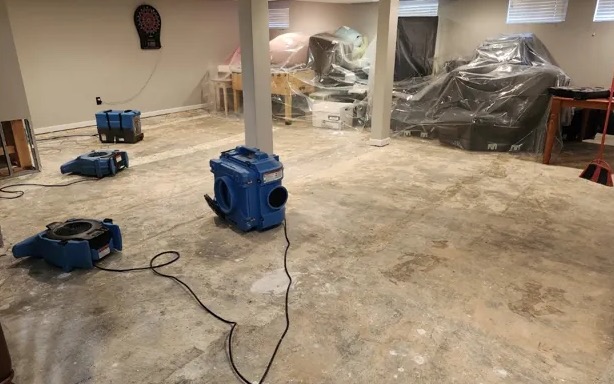
Expert Desiccant Dehumidification for Clinton Township Properties
Construction projects in Clinton Township can trap moisture in new concrete, drywall mud and framing. Flooring and finishes may fail if laid over damp materials.
In Clinton Township, desiccant drying is often used in crawl spaces and large buildings after floods. Local water damage restoration pros serve Clinton Township, Mount Clemens, Fraser and Harrison Township, choosing equipment based on readings.
Specialized Desiccant Dehumidification in Clinton Township, MI
Crawl Space Drying
Readings on the wood framing are taken at each visit until they return to normal levels.
Emergency Dehumidification
Help is available any hour to set up drying equipment after a leak or flood, so moisture does not sit overnight in materials.
Firefighting Water Drying
Firefighting water can soak several rooms at once. Large drying setups remove that moisture so repairs can begin.
Mold Prevention Drying
Drying an area quickly after affected materials are removed limits regrowth. Desiccant units help reach low humidity in closed work areas.
Flood Drying Services
Floodwater is treated as contaminated, so soaked porous materials are removed and surfaces cleaned before drying starts.
Symptoms Requiring Desiccant Dehumidification in Clinton Township
Strong Damp Odor in Rooms
A damp smell that stays in a room after cleanup means materials there are still holding moisture.
High Humidity Readings on Meter
A hygrometer that keeps reading high humidity days after a leak shows the space is not drying.
Wet Insulation in Attics or Walls
Insulation that is wet in attics or walls holds water against framing and slows drying.
Cold, Damp Feeling in Air
Air that feels cold and damp, especially in lower levels, can be too cool for standard dehumidifiers to work well.
How Desiccant Dehumidification Works in Clinton Township
Step 1: Initial Damage Inspection
Humidity and moisture readings are taken across the affected area to set the drying plan.
Step 2: Deployment of Drying Equipment
Desiccant or standard dehumidifiers and air movers are placed based on the space and readings.
Step 3: Monitored Drying Cycle
Readings are logged daily, and equipment is moved or adjusted as each material dries.
Step 4: Completion and Clearance
Final readings confirm materials are dry, and the space is cleared for repairs.
Typical Moisture Intrusions and Desiccant Dehumidification in Clinton Township
HVAC System Condensation Issues
Clogged AC drain lines overflow into attics, closets and the ceilings below them.
Poor Ventilation in Enclosed Areas
Closed, poorly ventilated spaces trap moisture and dry very slowly after water damage.
Fire Suppression System Activation
Fire sprinklers and firefighting water soak large areas of a building at once.
Foundation Cracks and Seepage
Foundation cracks let groundwater seep into lower levels, keeping walls and floors damp.
Both Residential and Commercial Desiccant Dehumidification in Clinton Township
Residential Desiccant Dehumidification
Homeowners with damp basements may need desiccant drying after a flood because cool concrete and air slow standard units.
Commercial Desiccant Dehumidification
Warehouses with large slabs and stock need humidity kept low during drying to protect inventory and dry the concrete.
Why DIY Falls Short for Desiccant Dehumidification in Clinton Township
You can run your own dehumidifier and keep the wet room closed. Drying soaked materials in a crawl space or cool lower level usually needs commercial equipment.
Understanding Desiccant Dehumidification Expenses in Clinton Township
In Clinton Township, starting drying right after a leak or flood usually shortens the job and lowers the total equipment cost.
Duration of Equipment Use
Drying usually takes several days, and each day of equipment use adds to the total.
Time of Response
Night, weekend and holiday setup can cost more than a scheduled weekday visit.
Affected Area Size
Larger affected areas need more drying units and more air movers running at once.
Does Insurance Cover Desiccant Dehumidification?
Daily humidity and moisture logs from local water damage restoration pros help support an insurance claim for drying after water damage in Clinton Township.
Benefits of Local Pros for Desiccant Dehumidification in Clinton Township
Structural Drying
Walls, floors and framing are dried, not just the air in the room.
Desiccant Equipment
Desiccant units are used where they fit, such as cool spaces, crawl spaces and large buildings.
Targeted Drying
Equipment is placed for the specific materials and spaces that are wet.
Urgent Desiccant Dehumidification Available in Clinton Township
Night, weekend or holiday, the pros set up drying equipment in Clinton Township. Call (313) 766-2970 any time to get drying started.
Call Now (313) 766-2970Desiccant Dehumidification Coverage for Clinton Township and Beyond
Help with desiccant dehumidification is also available in communities near Clinton Township, including Mount Clemens, Fraser and Harrison Township, for floods, crawl spaces and commercial buildings.
- Desiccant Dehumidification in Mount Clemens
- Desiccant Dehumidification in Fraser
- Desiccant Dehumidification in Harrison Township
- Desiccant Dehumidification in Sterling Heights
- Desiccant Dehumidification in Roseville
- Desiccant Dehumidification in Macomb
- Desiccant Dehumidification in St. Clair Shores
- Desiccant Dehumidification in Shelby Township
- Emergency Damage Restoration in 48035
- Storm Damage Restoration in 48035
- Water Damage Restoration in 48035
- Water Extraction Service in 48035
- Water Leak Detection in 48035
- Water Removal Service in 48035
- Emergency Damage Restoration in 48036
- Storm Damage Restoration in 48036
Answers to Top Desiccant Dehumidification Queries
How are moisture levels monitored during drying?
With hygrometers for air and moisture meters for drywall, wood and concrete, checked every day.
How does a desiccant dehumidifier work differently?
It passes air over a material that absorbs moisture instead of cooling the air, so it keeps working in cool conditions.
What is involved in basement dehumidification after a flood?
Removing water, placing dehumidifiers and air movers and running them until concrete and framing read dry.
How long does crawl space drying typically take?
Often several days, depending on how wet the framing is and how cool and damp the space stays.
What does water damage dehumidification include?
Taking readings, placing dehumidifiers and air movers, logging progress daily and confirming materials are dry.