Roseville, MI · Macomb County
Desiccant Dehumidification in Roseville, MIFirefighting Water Drying & Mold Prevention Drying
Desiccant Dehumidification in Roseville includes water damage dehumidification, construction drying services and mold prevention drying.
Answered 24/7
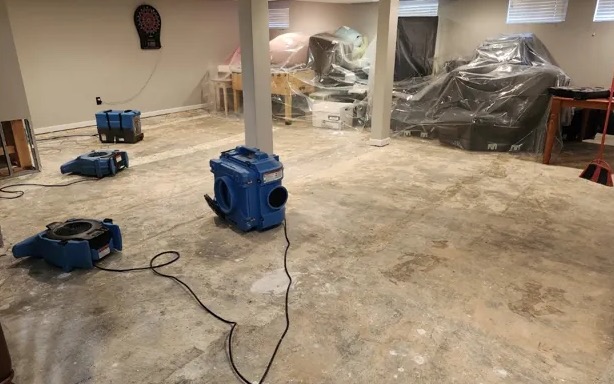
Expert Desiccant Dehumidification for Roseville Properties
After a fire in Roseville, the water used to put it out soaks rooms well beyond the burned area. That water needs to come out before rebuilding.
In Roseville, desiccant drying is often used in crawl spaces and large buildings after floods. Local water damage restoration pros serve Roseville, Eastpointe, St. Clair Shores and Fraser, choosing equipment based on readings.
Desiccant Dehumidification Services in Roseville
Firefighting Water Drying
Drying after a fire is done once wet debris is removed, so the structure dries cleanly before rebuilding.
Mold Prevention Drying
Drying an area quickly after affected materials are removed limits regrowth. Desiccant units help reach low humidity in closed work areas.
Flood Drying Services
Floodwater is treated as contaminated, so soaked porous materials are removed and surfaces cleaned before drying starts.
Emergency Dehumidification
Help is available any hour to set up drying equipment after a leak or flood, so moisture does not sit overnight in materials.
Basement Dehumidification
Basement concrete and framing release water slowly. Desiccant drying keeps humidity low so they can dry in a reasonable time.
Red Flags for Desiccant Dehumidification in Roseville Properties
Musty Smell in Stored Items
Boxes and fabrics that smell musty show the space has stayed damp too long.
Wet Insulation in Attics or Walls
Insulation that is wet in attics or walls holds water against framing and slows drying.
High Humidity Readings on Meter
A hygrometer that keeps reading high humidity days after a leak shows the space is not drying.
Recent Water Damage Event
Any recent leak or flood that soaked drywall, flooring or framing needs drying beyond a household unit.
How Desiccant Dehumidification Works in Roseville
Step 1: Moisture Mapping
Readings across walls, floors and framing show exactly where moisture remains in the building.
Step 2: Equipment Placement
Dehumidifiers and air movers are placed where the moisture readings are highest.
Step 3: Continuous Moisture Extraction
Drying runs until the wettest areas match the rest of the building.
Step 4: Confirmation and Reporting
A report shows the starting and final moisture readings for each area that was dried.
Typical Moisture Intrusions and Desiccant Dehumidification in Roseville
Poor Ventilation in Enclosed Areas
Closed, poorly ventilated spaces trap moisture and dry very slowly after water damage.
Foundation Cracks and Seepage
Foundation cracks let groundwater seep into lower levels, keeping walls and floors damp.
Fire Suppression System Activation
Fire sprinklers and firefighting water soak large areas of a building at once.
Plumbing Leaks or Pipe Bursts
Burst pipes and leaking supply lines soak walls and floors that then need drying.
House & Business Desiccant Dehumidification in Roseville, MI
Residential Desiccant Dehumidification
Homes with wet attics after roof leaks may need attic drying equipment placed carefully on boards for safe footing.
Commercial Desiccant Dehumidification
Schools, offices and medical buildings may schedule equipment setup and removal after hours to limit disruption to staff and visitors.
Hiring Local Pros for Desiccant Dehumidification in Roseville
For a small spill in a warm room, a household dehumidifier and fan may be enough. Call local water damage restoration pros if drywall, flooring or framing got wet or the space is cool and damp.
Understanding Desiccant Dehumidification Expenses in Roseville
Large commercial buildings and construction sites in Roseville may need high-capacity units and ducting, which affects the total.
Affected Area Size
Larger affected areas need more drying units and more air movers running at once.
Number of Dehumidifiers
The number and size of dehumidifiers needed for the space is a major part of the cost.
Access and Complexity
Crawl spaces, tight areas and large buildings take more effort to set up and monitor.
Does Insurance Cover Desiccant Dehumidification?
Construction drying on a new build is usually a project cost rather than an insurance claim. Ask your builder how it is handled.
The Value of Local Pros for Desiccant Dehumidification in Roseville
Damage Assessment
The full affected area is checked, including rooms next to and below the source.
Structural Drying
Walls, floors and framing are dried, not just the air in the room.
24/7 Emergency Response
Help is available day or night to set up drying equipment after a leak or flood.
Round-the-Clock Desiccant Dehumidification in Roseville, MI
Crawl space or lower level wet after a storm? Call (313) 766-2970 now for desiccant dehumidification in Roseville before the framing stays damp.
Call Now (313) 766-2970Desiccant Dehumidification Near Roseville: Areas Served
Help with desiccant dehumidification is also available in communities near Roseville, including Eastpointe, St. Clair Shores and Fraser, for floods, crawl spaces and commercial buildings.
- Desiccant Dehumidification in Eastpointe
- Desiccant Dehumidification in St. Clair Shores
- Desiccant Dehumidification in Fraser
- Desiccant Dehumidification in Warren
- Desiccant Dehumidification in Clinton Township
- Desiccant Dehumidification in Grosse Pointe
- Desiccant Dehumidification in Sterling Heights
- Desiccant Dehumidification in Mount Clemens
- Emergency Damage Restoration in 48066
- Storm Damage Restoration in 48066
- Water Damage Restoration in 48066
- Water Extraction Service in 48066
- Water Leak Detection in 48066
- Water Removal Service in 48066
Common Desiccant Dehumidification Questions Answered
What is desiccant dehumidification used for?
Drying spaces after water damage where standard dehumidifiers struggle, such as cool crawl spaces, large buildings and dense materials.
What is the goal of flood drying services?
To remove the moisture left after floodwater is pumped out so the building can be cleaned and repaired.
Why use desiccant drying after a fire?
Firefighting water soaks large areas, and high-capacity drying helps remove that moisture once debris is cleared.
Can desiccant dehumidification help prevent mold?
Yes. Lowering humidity and drying materials quickly is one of the main ways to keep mold from starting.
How are moisture levels monitored during drying?
With hygrometers for air and moisture meters for drywall, wood and concrete, checked every day.