Taylor, MI · Wayne County
Floodwater Removal in Taylor, MISewage Flood Cleanup & Emergency Flood Damage Mitigation
Professional Floodwater Removal in Taylor covers flooded room drying services, storm flood water pumping, and sewage flood cleanup.
Answered 24/7
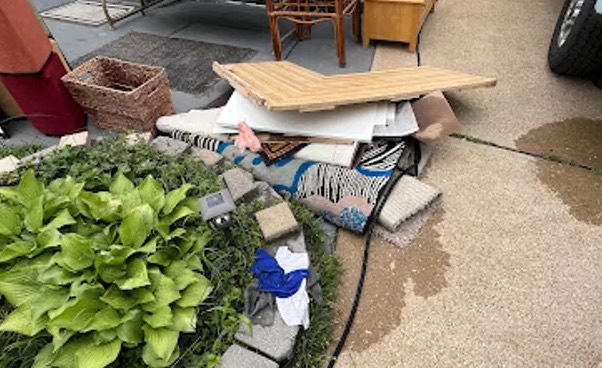
Floodwater Removal for Taylor Homes and Businesses
In Taylor, removing floodwater is the first step after any flood. It stops the water from spreading, protects belongings and lowers the chance of mold inside walls and under floors.
Flooding in Taylor can come from storms, sewer backups or broken pipes, and each needs fast floodwater removal. Local floodwater removal pros pump out the water and clean up the flooded house. They are a resource for the entire area, including Allen Park, Southgate and Inkster, providing around-the-clock help to water emergencies.
Complete Floodwater Removal Services in Taylor
Sewage Flood Cleanup
Sewage backups pose serious health risks and require specific protocols. Professionals adhere to strict safety standards to handle Category 3 water damage appropriately.
Emergency Flood Damage Mitigation
The first hours after a flood are critical. Emergency mitigation involves water extraction, content removal, and installation of drying equipment to stabilize the property.
Flooded Room Drying Services
After water extraction, comprehensive drying is essential. Flood damage pros set up industrial air movers and high-capacity dehumidifiers to create optimal drying conditions.
Flood Damaged Drywall Removal
Drywall is highly porous and often unsalvageable after flood contact. The pros carefully cut and remove saturated drywall sections to expose wall cavities for drying and inspection.
Flooded Carpet Water Removal
Flood-soaked carpets in Taylor homes need professional water extraction. Pros use truck-mounted systems to forcefully extract water.
Indicators That Require Floodwater Removal in Taylor
Gurgling Sounds in Drains
Gurgling drains can signal a sewer line problem that may cause backup. Contaminated floodwater needs protective gear and disinfection.
Visible Water Lines on Walls
Visible water lines on drywall indicate significant water intrusion. The wet section of drywall usually has to be cut out.
Musty Odors After a Storm
A musty smell after a flood usually means water is still hiding in walls or under floors.
Mold or Mildew
Mold or mildew after a flood means materials stayed wet too long and need cleanup and drying.
How Floodwater Removal Works in Taylor
Step 1: Emergency Assessment and Water Extraction
The pros check safety and how far the flooding spread, then extractors remove the standing water.
Step 2: Targeted Flooded Carpet Water Removal
Weighted extractors pull deep water out of carpet and pad to prevent stains, odor and subfloor damage.
Step 3: Post Flood Drying and Dehumidification
Air movers and dehumidifiers are placed to dry the walls, floors and air.
Step 4: Final Verification and Documentation
Using moisture meters, the experts verify all materials meet dry targets. They document the process for your records and insurance needs.
Leading Causes of Floodwater Intrusion in Taylor
Natural Waterway Overflow
Rivers, creeks or lakes overflowing their banks can push floodwater into nearby properties.
Clogged or Faulty Gutters
Clogged gutters let water pool next to the foundation, where it seeps into basements.
Appliance Malfunctions
Failed washing machine hoses, water heaters, or dishwasher lines can flood a room.
Severe Weather and Storms
Heavy rain can overwhelm drains and cause flash flooding that leaves standing water in homes and businesses.
Residential & Commercial Floodwater Removal in Taylor
Residential Floodwater Removal
In homes, hidden water in walls and under flooring is the main worry after a flood. Thermal cameras and meters find it, and the rooms are dried until readings are normal.
Commercial Floodwater Removal
Restaurants, schools, and medical facilities have strict hygiene standards. Cleanup includes disinfecting and drying so the space can pass health inspection.
When to Call the Pros for Floodwater Removal in Taylor
If you think sewage is involved, stay out of the water and do not run any water in the home. Keep people and pets out of the area. Sewage cleanup needs protective gear and disinfectants.
Floodwater Removal Cost Considerations in Taylor
In Taylor, pricing depends on how much water is removed, how many rooms are affected and how much drying equipment is needed.
Location and Accessibility
Flooded basements or crawl spaces that are hard to reach take more labor to pump and dry.
Extent of Standing Water
How much water there is and how many areas are wet decide how long pumping and extraction take.
Additional Restoration Services
Follow-up work like antimicrobial treatment or cleaning contents adds to the total.
Does Insurance Cover Floodwater Removal?
For sewage flood cleanup, coverage depends on where the backup started, and sewer backup often needs its own endorsement. Outside flooding is usually excluded from homeowners policies and typically covered by separate flood insurance.
The Value of Local Pros for Floodwater Removal in Taylor
Advanced Moisture Detection
Moisture meters and thermal cameras find hidden dampness in walls and subfloors.
Structural Drying Expertise
Knowing how framing and subfloor dry helps save them instead of tearing them out.
Comprehensive Damage Documentation
Notes, photos and moisture logs are kept to support your insurance claim.
Emergency Floodwater Removal Response in Taylor
Emergency flood cleanup starts with a call. For standing water removal and flood damage restoration in Taylor, contact local pros at (313) 766-2970.
Call Now (313) 766-2970Floodwater Removal Available Throughout Wayne County
Dealing with standing water or a flooded room in Taylor requires professional drying. The pros remove contaminated floodwater and restore flood damage in Taylor and nearby Allen Park, Southgate and Inkster.
- Floodwater Removal in Allen Park
- Floodwater Removal in Southgate
- Floodwater Removal in Inkster
- Floodwater Removal in Lincoln Park
- Floodwater Removal in Melvindale
- Floodwater Removal in Garden City
- Floodwater Removal in Riverview
- Floodwater Removal in Dearborn Heights
- Emergency Damage Restoration in 48180
- Storm Damage Restoration in 48180
- Water Damage Restoration in 48180
- Water Extraction Service in 48180
- Water Leak Detection in 48180
- Water Removal Service in 48180
FAQ: Floodwater Removal in Taylor
What is emergency flood damage mitigation?
It is the first response after a flood: securing the property, removing water and starting drying. Help is available 24/7.
How quickly should floodwater extraction begin?
As soon as possible. Starting early limits damage and mold and saves more of the property.
What happens after the floodwater is pumped out?
Drying takes over: equipment is set up, readings are taken each day and any repairs are planned for after the property is dry.
What happens during flooded basement water extraction?
Pumps remove the standing water, extractors pull water from floors, and dehumidifiers and air movers dry the space.
Why is professional floodwater extraction needed?
Professional extractors and dehumidifiers remove water faster and more completely than DIY tools, which limits swelling and rot.