Auburn Hills, MI · Oakland County
HVAC Leak Water Removal in Auburn Hills, MIDuctwork Condensation Water Removal & Moisture Remediation For HVAC Systems
HVAC Leak Water Removal in Auburn Hills covers AC condensate leak water removal, HVAC cabinet water extraction and emergency HVAC leak cleanup.
Answered 24/7
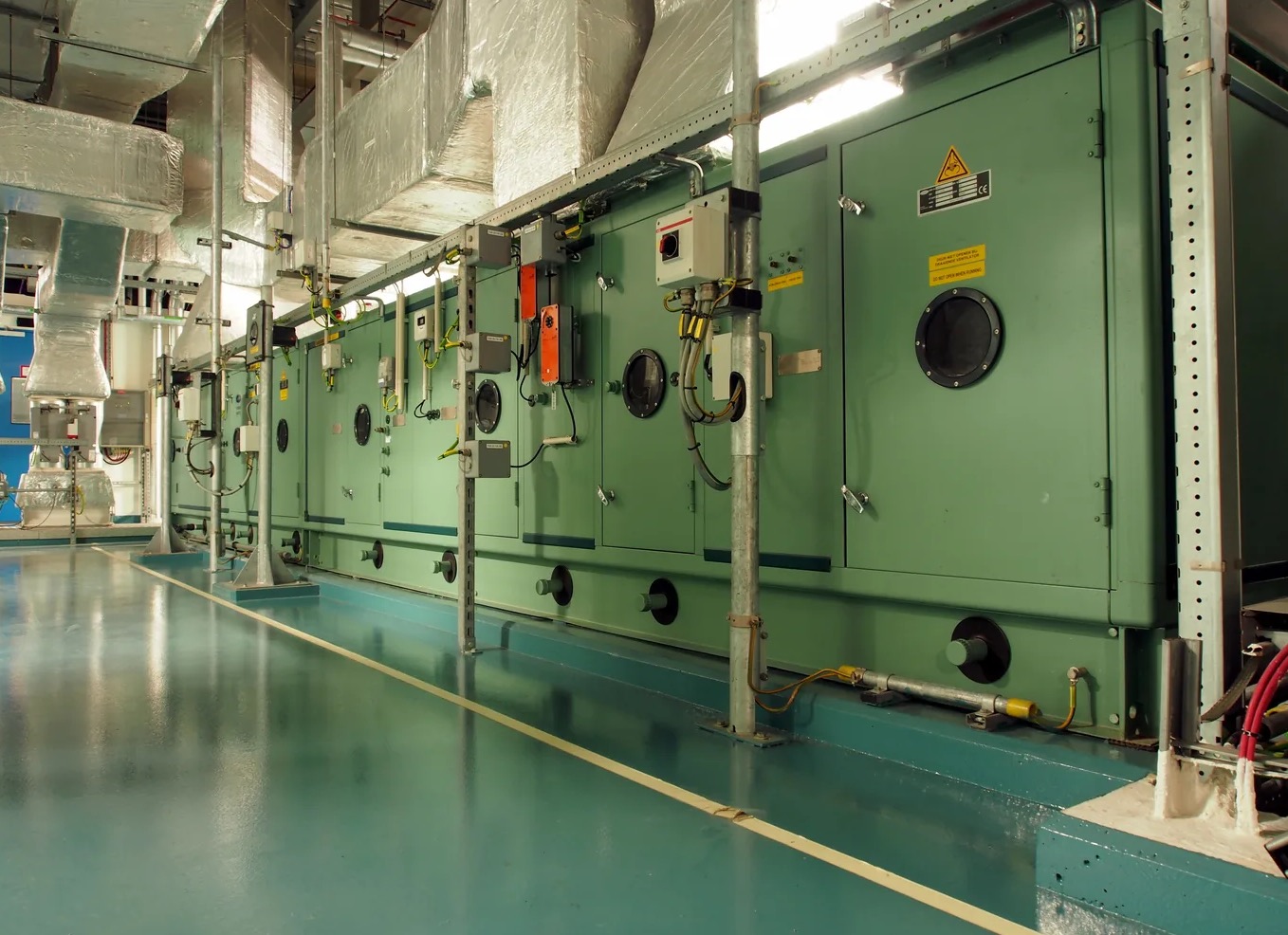
Expert HVAC Leak Water Removal in Auburn Hills MI
In Auburn Hills, an air conditioner can run most of the day in summer, and the condensate it makes has to go somewhere. When the drain fails, that water soaks insulation, rusts metal and wets the drywall nearby.
When an HVAC leak occurs in Auburn Hills, water needs to come out quickly to protect interior finishes and electrical systems. Local water removal pros serve this community and nearby areas like Pontiac, Orion Township and Rochester, extracting water around the unit and drying wet ductwork before damage spreads.
Specialized HVAC Leak Water Removal Services in Auburn Hills
Ductwork Condensation Water Removal
Humid air hitting cold metal ductwork makes it sweat and drip. Cleanup means drying the ducts and the drywall, insulation and flooring under them.
Moisture Remediation for HVAC Systems
Removing standing water is only the first part. Moisture meters show water still held in drywall, insulation and wood, and readings continue until they are dry.
HVAC Drain Line Flood Cleanup
When a drain line fails over a concrete utility slab, extractors remove the water and the slab and wall bases are dried.
Wet Insulation Removal Near HVAC
Wet attic insulation near ductwork or an air handler often must be removed. The pros assess the wetness and remove affected sections.
Emergency HVAC Leak Cleanup
A sudden major leak from a ruptured line or failed coil requires emergency cleanup. The priority is stopping the source and extracting standing water.
When to Consider HVAC Leak Water Removal in Auburn Hills
Reduced Cooling or System Shutdown
An AC that shuts itself off may have a float switch that tripped because the drain pan is full of water.
Water Damage to Flooring
Warped laminate, cupped hardwood or soaked carpet near the HVAC unit shows the leak has reached the floor.
AC Drain Line Overflowing
Water spilling from the condensate drain line or its overflow port means the drain is blocked and needs attention now.
Visible Rust on Metal Components
Rust forming on the evaporator coil cabinet, drain pan, or supports indicates prolonged moisture exposure.
How HVAC Leak Water Removal Works in Auburn Hills
Step 1: Water Containment
The leak is contained first, then extractors pull water out of the HVAC cabinet and off the floor around it.
Step 2: HVAC Component Damage Evaluation
Wet parts like the drain pan, coil area and controls are noted so an HVAC contractor knows what to check or replace.
Step 3: Structural Drying Protocol
Drying equipment targets wet walls, subfloor and insulation near the unit so damage does not spread.
Step 4: Air Quality Sanitization
Once everything is dry, the cabinet area and nearby surfaces are cleaned to remove odor and residue.
Common Causes of HVAC Water Leaks in Auburn Hills
Excessive Ductwork Condensation
Poorly insulated ducts in humid spaces sweat and drip water into walls, ceilings and insulation.
Refrigerant Leak at the Coil
A pinhole leak in the evaporator coil itself can allow refrigerant and moisture to escape simultaneously.
Improper HVAC System Slope
An air handler or drain line installed without correct pitch prevents gravity-driven water flow to the drain.
Clogged Condensate Drain Line
Algae, sludge, or debris blocking the primary drain pipe causes water to back up into the HVAC cabinet.
Residential & Commercial HVAC Leak Water Removal in Auburn Hills
Residential HVAC Leak Water Removal
For homeowners, the pros address water from central AC units, attic air handlers, and basement furnaces. They extract the water to protect flooring, drywall and belongings, then dry wet ductwork.
Commercial HVAC Leak Water Removal
In businesses, water from rooftop units, mechanical rooms and long duct runs can reach offices, stock and electronics. The pros remove it and dry the space while working around business hours.
HVAC Leak Water Removal: DIY or Call Water Damage Pros in Auburn Hills
For minor, isolated wet spots on drywall, you can dry the area with fans and dehumidifiers. Puncture small holes at the base for cavity drying. If the leak is ongoing, the stain large, or drywall sagging, professional intervention is critical.
Factors in HVAC Leak Water Removal Cost for Auburn Hills
For AC water damage, the number of drying days and the number of air movers and dehumidifiers drive most of the cost. HVAC repairs are billed separately.
Water Contamination Category
Clean condensate is simpler to handle than dirty overflow from a drain line, which needs extra cleaning.
HVAC System Accessibility
Units in tight closets or attics take more labor to reach, clean around and dry.
Leak Source and Severity
Whether the leak came from a drain line, the coil or the pan changes how much water there is and where it went.
Does Insurance Cover HVAC Leak Water Removal?
For HVAC water cleanup, a policy may cover the water damage but not fixing the failed part. The pros document the wet area and the drying, and the insurer makes the coverage decision.
Benefits of Local Pros for HVAC Leak Water Removal in Auburn Hills
Focused on System Integrity
The goal is a dry unit area and dry materials around it, so the system can run safely again.
Structured Dehumidification Strategy
Air movers and dehumidifiers are placed to dry the cabinet area and nearby walls without blowing water further.
24/7 Emergency Response
Getting to a leaking AC early limits how far water spreads and how much it rusts parts in the unit.
24-Hour Emergency HVAC Leak Water Removal in Auburn Hills
A major condensation leak can quickly wet insulation and drywall. If you need emergency water removal for a leaking AC unit, call (313) 766-2970 now.
Call Now (313) 766-2970HVAC Leak Water Removal Service Area Around Auburn Hills
In Auburn Hills and nearby Pontiac, Orion Township and Rochester, the pros handle water from HVAC cabinets, drain lines and wet insulation around the unit.
- HVAC Leak Water Removal in Pontiac
- HVAC Leak Water Removal in Orion Township
- HVAC Leak Water Removal in Rochester
- HVAC Leak Water Removal in Lake Orion
- HVAC Leak Water Removal in Troy
- HVAC Leak Water Removal in Waterford Township
- HVAC Leak Water Removal in Bloomfield Township
- HVAC Leak Water Removal in West Bloomfield
- Emergency Damage Restoration in 48321
- Storm Damage Restoration in 48321
- Water Damage Restoration in 48321
- Water Extraction Service in 48321
- Water Leak Detection in 48321
- Water Removal Service in 48321
- Emergency Damage Restoration in 48326
- Storm Damage Restoration in 48326
HVAC Leak Water Removal FAQs
What is involved in HVAC leak water removal?
Stopping the leak, extracting standing water, drying the ducts, cabinet area, walls and floor, and checking for hidden moisture with meters.
Can I run my AC after a condensation leak?
No. Running the system while it leaks can spread water further and cause electrical shorts.
How is moisture removed from HVAC ductwork?
Air movers and dehumidifiers dry the area around the ducts. Duct sections or lining that stayed wet may need cleaning or replacing by an HVAC contractor.
How quickly should I address AC unit water damage?
As soon as you see it. Water can reach wiring and soak drywall and insulation, and mold can start within a day or two in wet materials.
Can wet insulation near HVAC be saved?
Often, yes. Wet insulation loses its value and is hard to dry in tight spaces, so it is usually removed and replaced once the area is dry.