Ann Arbor, MI · Washtenaw County
Industrial Dehumidification in Ann Arbor, MIIndustrial Humidity Reduction Systems & Commercial Water Damage Cleanup
Industrial Dehumidification in Ann Arbor includes mold remediation services, structural drying services, and disaster recovery drying.
Answered 24/7
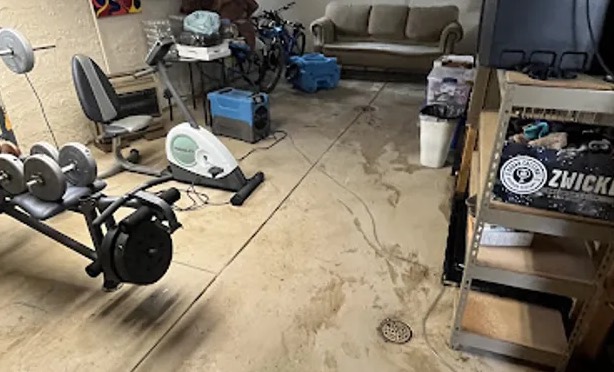
Expert Industrial Dehumidification in Ann Arbor, MI
In Ann Arbor, flooding in industrial buildings comes from broken supply lines, failed equipment or storms. Acting quickly limits lost work time and further damage.
Industrial dehumidification is a priority for large facilities in Ann Arbor and nearby areas like Ypsilanti, Dexter and Saline. Whether dealing with a burst pipe or ongoing humidity issues, local water damage pros apply commercial dehumidification techniques.
Industrial Flood Damage Restoration in Ann Arbor
Industrial Humidity Reduction Systems
Installing a humidity reduction system provides long-term protection. Local water damage restoration pros in Ann Arbor can recommend and set up tailored equipment.
Commercial Water Damage Cleanup
A flooded warehouse or factory needs powerful moisture removal. Industrial dehumidification focuses on large-scale air drying to safeguard machinery and stored goods.
Structural Drying Services
Drying the structure after a leak means getting studs, joists and slabs dry, not just the air in the room.
Mold Remediation Services
Extensive mold requires professional remediation to ensure occupant safety. Industrial dehumidification is a core part of stopping the mold lifecycle.
Emergency Water Removal
When water invades a commercial space, every minute counts. The pros extract the bulk water first. Following extraction, industrial dehumidification tackles the remaining moisture.
Indicators for Industrial Dehumidification Services in Ann Arbor
Noticeable Water Pooling
Standing water in a warehouse or industrial space needs to be removed before drying can start.
Damp Insulation or Drywall
Wet materials behind walls or above ceilings stay wet for weeks without forced drying and can rot.
Visible Mold
Black, green or white spots on walls or contents mean humidity has been high for too long.
Condensation on Pipes
Sweating pipes and ducts drip water and raise the humidity in the space even further.
How Industrial Dehumidification Works in Ann Arbor
Step 1: Secure Area and Remove Water
The site is made safe, then water is removed with industrial equipment.
Step 2: Install Commercial Dehumidification
Large commercial dehumidifiers bring the humidity down so the drying can start.
Step 3: Accelerated Evaporation and Drying
Air movers speed up evaporation, and the dehumidifiers collect the water from the air.
Step 4: Achieve Dry Standard and Demobilize
After confirming all materials meet the dry standard, pros dismantle the drying system.
Causes of Excess Moisture Requiring Industrial Dehumidification in Ann Arbor
Fire Suppression System Activation
A sprinkler discharge can leave a large amount of water to extract and dry.
Natural Disasters and Severe Weather
Flash floods, torrential rain and other extreme events can soak large buildings and need large-scale drying.
Burst Pipes or Plumbing Leaks
Failed supply lines, faulty fittings, or cracked pipes can release thousands of gallons.
Roof Leaks and Storm Damage
Damaged roofing lets water in during heavy rain, wetting stock and floors below.
Residential and Commercial Industrial Dehumidification in Ann Arbor
Residential Industrial Dehumidification
A flooded basement or crawl space can ruin stored items and weaken foundations. Pros extract the water and dry the structure to prevent costly repairs later.
Commercial Industrial Dehumidification
Restaurant kitchens, stockrooms and offices all need humidity under control after water damage. Commercial dehumidifiers protect equipment and goods from rust and mold.
Industrial Dehumidification vs. DIY: When to Call the Pros
For a small spill of clean water, a mop or wet vacuum is fine. If water has soaked into drywall, flooring or subfloor, call (313) 766-2970 so it can be dried before it rots or grows mold.
Industrial Dehumidification Cost in Ann Arbor, MI
In Ann Arbor, the cost depends on how many days the dehumidifiers run and how many air movers the job needs.
Drying Time Required
How long the dehumidifiers must run to reach dry readings is a main cost component.
Mold Remediation Needs
If mold is found, containment, removal and air scrubbing are added to the job.
Affected Square Footage
The size of the area to be dehumidified sets how much equipment and labor are needed.
Does Insurance Cover Industrial Dehumidification?
Coverage for industrial flood damage restoration can vary significantly between different insurance policies and providers. Property owners in Ann Arbor should confirm specifics directly with their insurer. Pros record everything from the first moisture readings to the final dry readings for the claim file.
Why Ann Arbor Properties Need Local Pros for Industrial Dehumidification
Structural Material Knowledge
Concrete, wood and drywall dry at different rates, and the plan accounts for each.
Industrial-Grade Equipment
High-capacity dehumidifiers and air movers are sized for warehouses and other large spaces.
Comprehensive Water Removal
The work starts with removing standing water and water soaked into materials.
24/7 Emergency Drying for Ann Arbor Properties
When dehumidifiers need to go in fast after a disaster, call (313) 766-2970. The pros in Ann Arbor are available 24/7 for industrial drying.
Call Now (313) 766-2970Industrial Dehumidification Near Ann Arbor: Areas Served
Structural drying is available for commercial properties in Ann Arbor and the broader area, with response available for locations like Ypsilanti, Dexter and Saline.
- Industrial Dehumidification in Ypsilanti
- Industrial Dehumidification in Dexter
- Industrial Dehumidification in Saline
- Industrial Dehumidification in Whitmore Lake
- Industrial Dehumidification in South Lyon
- Industrial Dehumidification in Milan
- Industrial Dehumidification in Chelsea
- Industrial Dehumidification in Pinckney
- Emergency Damage Restoration in 48103
- Storm Damage Restoration in 48103
- Water Damage Restoration in 48103
- Water Extraction Service in 48103
- Water Leak Detection in 48103
- Water Removal Service in 48103
- Emergency Damage Restoration in 48104
- Storm Damage Restoration in 48104
Industrial Drying FAQ for Ann Arbor Clients
Can humidity control prevent future mold problems?
Keeping warehouse humidity low with dehumidifiers protects stored goods and the building from moisture damage.
Does all water require the same cleanup approach?
No. Clean water from a supply line, gray water from appliances and black water from sewage each need different safety and cleanup steps.
When is mold remediation necessary after flooding?
Mold remediation services become crucial if visible mold appears or if materials remain wet beyond 24-48 hours, allowing spores to activate.
How does commercial dehumidification differ from residential?
The focus extends beyond drying to include minimizing operational downtime and protecting sensitive inventory or machinery.
What is structural drying?
It removes moisture soaked into building materials like concrete slabs and walls so they do not decay or grow mold.