Bloomfield Township, MI · Oakland County
Industrial Dehumidification in Bloomfield Township, MIIndustrial Humidity Reduction Systems & Mold Remediation Services
Industrial Dehumidification in Bloomfield Township includes mold remediation services, structural drying services, and disaster recovery drying.
Answered 24/7
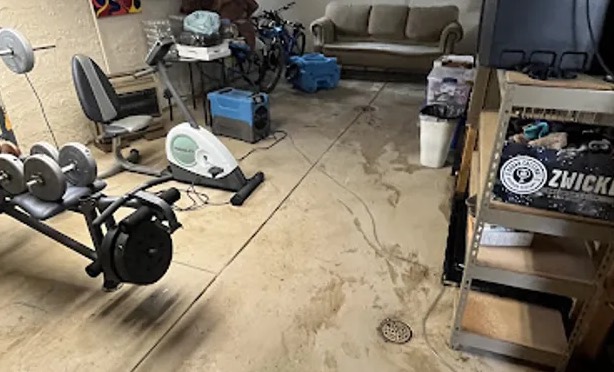
Expert Industrial Dehumidification in Bloomfield Township, MI
Mold is a frequent consequence of untreated moisture in warehouses, manufacturing facilities, and other large commercial spaces. It poses health risks to occupants and can damage stored products, inventory, and essential building systems over time.
When flooding hits an industrial building in Bloomfield Township, drying needs to start quickly. Local commercial drying experts also work in nearby Birmingham, Pontiac and Beverly Hills and keep records of the water removal and drying.
Industrial Drying Services in Bloomfield Township
Industrial Humidity Reduction Systems
Some buildings stay humid long after a leak. Dehumidifiers can be left running to hold humidity at a set level until the building is stable.
Mold Remediation Services
Mold in a commercial building indicates a deeper moisture issue. The pros use industrial dehumidifiers to create a dry environment that inhibits mold.
Disaster Recovery Drying
After a disaster in Bloomfield Township, heavy-duty drying equipment brings humidity down so repairs can start safely.
Structural Drying Services
Water damage restoration pros in Bloomfield Township dry the framing, walls and slabs of a wet building, including the hidden moisture that causes slow decay.
Warehouse Moisture Control
Controlling ambient humidity is crucial in warehouse storage. The pros install and monitor systems to maintain optimal moisture levels.
Warning Signs You Need Industrial Dehumidification
Condensation on Pipes
Sweating pipes and ducts drip water and raise the humidity in the space even further.
Warped or Buckling Materials
Swollen wood, peeling paint or distorted flooring are signs of too much moisture in the building.
Visible Mold
Black, green or white spots on walls or contents mean humidity has been high for too long.
Musty Odors and Smells
A persistent earthy smell often points to hidden moisture in walls, ceilings or stored goods.
How Industrial Dehumidification Works in Bloomfield Township
Step 1: Secure Area and Remove Water
The site is made safe, then water is removed with industrial equipment.
Step 2: Install Commercial Dehumidification
Large commercial dehumidifiers bring the humidity down so the drying can start.
Step 3: Accelerated Evaporation and Drying
Air movers speed up evaporation, and the dehumidifiers collect the water from the air.
Step 4: Achieve Dry Standard and Demobilize
After confirming all materials meet the dry standard, pros dismantle the drying system.
Common Causes for Industrial Dehumidification in Bloomfield Township
HVAC System Condensation Issues
Cooling systems that are poorly maintained or oversized can produce a lot of condensation and raise humidity.
Process Water or Chemical Spills
Industrial processes that use liquids carry a constant risk of accidental spills and releases.
Fire Suppression System Activation
A sprinkler discharge can leave a large amount of water to extract and dry.
Appliance Malfunctions and Overflows
Water heater failures or broken process lines can flood large areas suddenly.
Industrial Dehumidification for All Properties in Bloomfield Township
Residential Industrial Dehumidification
In homes, water from a burst pipe spreads inside walls and under floors. The experts find the wet areas with meters and dry them to save the structure and finishes.
Commercial Industrial Dehumidification
Manufacturing plants and warehouses need large-scale drying after a major water incident. Drying brings the space back to the humidity levels production requires.
Industrial Dehumidification vs. Do-It-Yourself in Bloomfield Township
Throwing out ruined cardboard or soaked insulation is something a property manager can do. Building materials that may have mold should be removed by pros using containment.
Industrial Dehumidification Cost in Bloomfield Township, MI
Industrial flood cleanup costs depend on the scale of water removal and how many hours of structural drying are needed.
Equipment Quantity
The number of dehumidifiers, air movers and meters needed grows with the size of the flood.
Water Contamination Level
Clean, gray and black water need different safety steps and cleanup methods.
Mold Remediation Needs
If mold is found, containment, removal and air scrubbing are added to the job.
Does Insurance Cover Industrial Dehumidification?
Insurance coverage for industrial dehumidification work in Bloomfield Township depends entirely on the specific terms and conditions of a property owner's policy. The final coverage decision rests solely with the insurance carrier.
Benefits of Local Pros for Industrial Dehumidification in Bloomfield Township, MI
Humidity Reduction Systems
Dehumidifiers can stay in place until humidity in the building is stable.
Industrial-Grade Equipment
High-capacity dehumidifiers and air movers are sized for warehouses and other large spaces.
Structural Material Knowledge
Concrete, wood and drywall dry at different rates, and the plan accounts for each.
24/7 Emergency Drying for Bloomfield Township Properties
For industrial dehumidification after a flood or major leak in Bloomfield Township, call (313) 766-2970. The experts are available around the clock for water removal and commercial drying.
Call Now (313) 766-2970Industrial Dehumidification Near Bloomfield Township: Areas Served
Large-scale drying and emergency water removal keep businesses running. Local pros serve Bloomfield Township and the vicinity, including communities like Birmingham, Pontiac and Beverly Hills.
- Industrial Dehumidification in Birmingham
- Industrial Dehumidification in Pontiac
- Industrial Dehumidification in Beverly Hills
- Industrial Dehumidification in West Bloomfield
- Industrial Dehumidification in Lathrup Village
- Industrial Dehumidification in Troy
- Industrial Dehumidification in Auburn Hills
- Industrial Dehumidification in Southfield
- Emergency Damage Restoration in 48301
- Storm Damage Restoration in 48301
- Water Damage Restoration in 48301
- Water Extraction Service in 48301
- Water Leak Detection in 48301
- Water Removal Service in 48301
- Emergency Damage Restoration in 48302
- Storm Damage Restoration in 48302
Industrial Dehumidification FAQs for Bloomfield Township Property Owners
When is mold remediation necessary after flooding?
Mold remediation services become crucial if visible mold appears or if materials remain wet beyond 24-48 hours, allowing spores to activate.
How is drying progress monitored?
The experts take moisture readings from materials and the air each day and keep drying logs that show progress.
Why is water extraction so important?
Removing water quickly keeps it from soaking deeper, shortens drying and lowers the risk of mold and warping.
What is structural drying?
It removes moisture soaked into building materials like concrete slabs and walls so they do not decay or grow mold.
What is the first step in emergency water removal?
The initial critical step is extracting all standing water using truck-mounted or portable pumps and extractors.