Bloomfield Township, MI · Oakland County
Warehouse Water Damage Restoration in Bloomfield Township, MIWarehouse Water Damage Cleanup & Warehouse Mold Remediation
Warehouse Water Damage Restoration in Bloomfield Township covers warehouse leak detection repair, warehouse equipment drying, and warehouse water damage cleanup to restore operations.
Answered 24/7
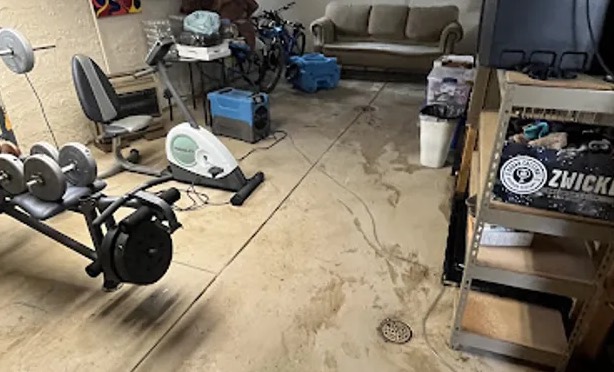
Expert Warehouse Water Damage Restoration Services for Bloomfield Township
Industrial water damage restoration addresses the unique scale of warehouse incidents, where large volumes of water can compromise safety and assets rapidly.
In Bloomfield Township, warehouse floods need large-volume extraction and drying. Local pros dry and clean the building, including mold removal, and also serve Birmingham, Pontiac and Beverly Hills.
Detailed Warehouse Water Damage Restoration Offerings in Bloomfield Township
Warehouse Water Damage Cleanup
The final warehouse cleanup involves sanitizing and deodorizing the restored space. Floors and surfaces are cleaned to remove residues and odors.
Warehouse Mold Remediation
If mold develops in a wet warehouse, remediation protocols are followed. The area is contained, and affected porous materials are removed.
Warehouse Structural Drying
Warehouse structural drying uses industrial air movers and dehumidifiers following industry-standard methods to dry walls, floors, and structural components.
Warehouse Inventory Water Damage
Pros in Bloomfield Township sort pallets and items into those that can be dried, those that need freeze-drying and total losses, and document it all for your insurance claim.
Warehouse Equipment Drying
Drying out water-affected warehouse equipment requires a methodical approach. Experts assess and dry electrical components and machinery to mitigate corrosion and short-circuit risks.
Signs Your Warehouse Needs Water Damage Repair
Soggy Insulation Overhead
Wet, sagging insulation in ceiling bays loses R-value and can lead to collapse.
High Humidity Readings
A hygrometer that keeps showing high humidity means the building is still wet.
Musty Odors in the Space
A persistent earthy smell often means hidden moisture and potential mold in a warehouse.
Active Leak or Dripping
Water coming from a roof, pipe or fixture needs the leak found and stopped now.
How Warehouse Water Damage Restoration Works in Bloomfield Township
Step 1: Initial Damage Assessment
Local warehouse restoration experts assess the extent of warehouse flood damage, documenting all affected areas, inventory, and structural elements.
Step 2: Bulk Water and Moisture Removal
All visible water is extracted, followed by targeted warehouse moisture removal from concrete and building materials using penetrating drying systems.
Step 3: Content Restoration and Salvage
Warehouse inventory water damage is addressed; pallets and goods are triaged for salvage, cleaning, or specialized drying protocols.
Step 4: Monitoring to Completion
Equipment monitors dryness levels until the warehouse meets dry standards. Documentation is provided to support your insurance claim process.
Leading Causes of Water Intrusion in Bloomfield Township
Foundation or Slab Leaks
Cracks in the slab or foundation walls let groundwater seep into the warehouse.
Faulty Drain or Sewer Backup
Blocked floor drains or a municipal sewer backup can send contaminated water into the warehouse.
Sprinkler System Malfunction
Accidental discharge, a faulty head, or a broken pipe in fire suppression systems causes major flooding.
Process Equipment Leaks
Cooling lines, hydraulic systems, or wash-down stations can develop leaks, creating localized water damage.
Warehouse and Commercial Warehouse Water Damage Restoration
Residential Water Damage Restoration
Mostly a commercial service, but local pros can also help homeowners with oversized garages, workshops or storage buildings flooded by appliance failures or storms.
Warehouse Water Damage Restoration
Warehouses, plants and distribution hubs lose money every day a flood halts operations. Pros extract water to protect inventory and the structure.
Why DIY Warehouse Water Damage Repair Fails
Using a wet/dry shop vac on a small, isolated puddle on a sealed concrete floor might be manageable. For widespread warehouse floor water removal or moisture in porous concrete, professional-grade extractors and drying systems are necessary.
Investing in Warehouse Water Damage Restoration for Bloomfield Township
Warehouse drying services cost is shaped by the required runtime of industrial dehumidifiers and air movers, plus whether temporary containment structures are necessary to manage the drying environment.
Emergency Service Timing
A 24/7 response outside standard hours may involve different service rates compared to a scheduled appointment during business hours.
Required Drying Time
The number of days industrial-grade dehumidifiers and air movers must run to reach dry standard significantly influences the final expense.
Mold Remediation Needs
If secondary mold growth is present, the project scope expands to include containment, removal, and air scrubbing, adding to the cost.
Does Insurance Cover Warehouse Water Damage Restoration?
Coverage for warehouse leak repair or sudden accidental discharge may differ from coverage for flooding from external sources. A property owner should always check their specific policy details and exclusions.
The Value of Local Warehouse Water Damage Restoration Experts
Leak Detection Repair
After extraction, warehouse leak repair experts can help identify and address the source of the water intrusion to prevent a recurrence.
Mold Prevention Focus
Rapid water removal and thorough drying are the primary methods the pros use to help prevent mold growth after a flood.
Inventory Damage Mitigation
Pros prioritize protecting salvageable goods through careful water removal, controlled drying environments, and coordination for off-site restoration if needed.
Warehouse Water Damage Restoration Help Available 24/7
Stop warehouse water damage from spreading to other areas of the facility by calling for professional help. Reach the specialists at (313) 766-2970 for a 24/7 emergency response to begin water removal and drying.
Call Now (313) 766-2970Areas Served for Warehouse Water Damage Restoration Near Bloomfield Township
Warehouse floor water removal and drying are available in Bloomfield Township, and places like Birmingham, Pontiac and Beverly Hills.
- Warehouse Water Damage Restoration in Birmingham
- Warehouse Water Damage Restoration in Pontiac
- Warehouse Water Damage Restoration in Beverly Hills
- Warehouse Water Damage Restoration in West Bloomfield
- Warehouse Water Damage Restoration in Lathrup Village
- Warehouse Water Damage Restoration in Troy
- Warehouse Water Damage Restoration in Auburn Hills
- Warehouse Water Damage Restoration in Southfield
- Emergency Damage Restoration in 48301
- Storm Damage Restoration in 48301
- Water Damage Restoration in 48301
- Water Extraction Service in 48301
- Water Leak Detection in 48301
- Water Removal Service in 48301
- Emergency Damage Restoration in 48302
- Storm Damage Restoration in 48302
FAQ for Local Pros
What's included in warehouse water damage cleanup?
Cleanup encompasses water extraction, debris removal, surface sanitization of affected areas, and odor control measures after the primary structural drying phase is complete.
Why is quick action crucial for warehouse water removal?
The longer water sits, the deeper it penetrates concrete, drywall, and stored goods. This increases damage to inventory, equipment, and the building's structural components over time.
How long does industrial water damage restoration typically take?
Duration varies widely by scale; a significant warehouse flood may require several days of active drying followed by repair and cleanup phases.
Is warehouse equipment drying different from structural drying?
Yes, it often requires specific techniques like controlled low-heat drying, corrosion inhibitors, and electrical testing to protect machinery after water exposure.
How do pros handle warehouse flood water extraction?
They use truck-mounted or industrial portable extractors to remove bulk water, followed by detailing to pull water from cracks and crevices.