Mount Clemens, MI · Macomb County
Rapid Structural Drying in Mount Clemens, MIConcrete Slab Drying & Emergency Structural Drying
Rapid Structural Drying in Mount Clemens involves emergency structural drying, wall cavity drying, and flood drying services from restoration pros.
Answered 24/7
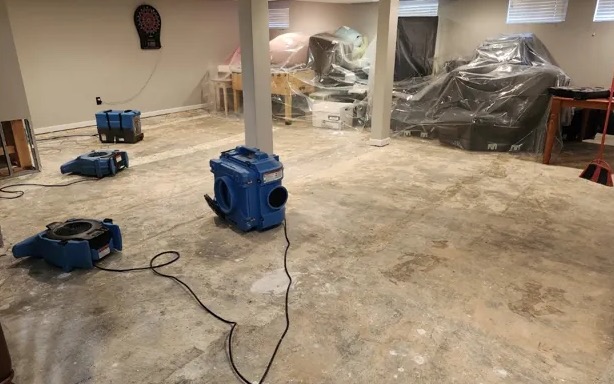
Reliable Rapid Structural Drying Available in Mount Clemens
Water intrusion from plumbing failures or weather events threatens structural integrity in any property. Untreated moisture leads to wood rot, mold growth and compromised building materials.
Structural moisture removal in Mount Clemens addresses both visible and hidden water damage in homes and businesses. Service areas include nearby locations like Clinton Township, Harrison Township and Fraser for added convenience.
Tailored Rapid Structural Drying for Mount Clemens
Concrete Slab Drying
After a major flood, a concrete floor often holds significant moisture. Drying the slab prevents future problems with flooring and humidity.
Emergency Structural Drying
Drying starts with a quick assessment and equipment placement, so moisture is pulled from walls, floors and framing before the damage spreads.
Subfloor Drying
In many water damage situations, the subfloor is critically affected. Subfloor drying prevents costly replacement by using specialized equipment like LGR dehumidifiers and directed airflow.
Moisture Mapping Services
Effective drying starts with accurate assessment. Moisture mapping services use penetrating and non-penetrating moisture meters to create a detailed picture of affected areas.
Structural Dehumidification
The core of rapid structural drying is aggressive dehumidification. Using low-grain refrigerant (LGR) or desiccant units, pros control the environment to halt secondary damage.
Warning Signs You Need Rapid Structural Drying
Damp Spots on Concrete Floors
Persistent dampness on a concrete slab can leave white mineral deposits and loosen flooring adhesive.
Recent Plumbing Leak or Flood
Any recent leak or flood can leave water inside walls and floors even after surfaces look dry.
Warped or Bubbling Floorboards
Hardwood floors that buckle or cup have taken on moisture from below, usually from a wet subfloor.
Mold Growth on Baseboards
Mold appearing along floor edges often points to hidden moisture in wall cavities or subfloors needing extraction.
How Rapid Structural Drying Works in Mount Clemens
Step 1: Emergency Response and Moisture Detection
The experts use meters and thermal cameras to find all wet areas and decide which to dry first.
Step 2: Setup of Airflow and Dehumidification
A balanced system of airflow and structural dehumidification is established to pull moisture from materials and condense it out of the air.
Step 3: Specialized Drying for Concrete and Cavities
Specialized techniques like concrete slab drying and forced cavity drying are applied to address moisture trapped in the most challenging structural components.
Step 4: Final Structural Integrity Confirmation
Final moisture readings are recorded for each area to confirm the structure is dry before repairs begin.
Common Causes of Water Damage Requiring Rapid Structural Drying in Mount Clemens
Roof Leaks From Storm Damage
Wind-driven rain or damaged shingles allow water to infiltrate attics and wall cavities, leading to widespread structural moisture.
Severe Weather and Flooding
Heavy rainfall or localized flooding can overwhelm drainage, leading to water intrusion.
HVAC System Condensation Issues
Clogged drain lines or faulty condensate pumps from air handlers can cause significant water damage inside walls and ceilings.
Appliance Malfunctions and Leaks
Faulty water heaters, washing machines, or dishwashers can leak slowly, causing hidden damage in walls and floors over time.
Rapid Structural Drying for All Property Types in Mount Clemens
Residential Rapid Structural Drying
Crawl space drying is critical in homes to stop wood rot and pest infestation. The pros run drying ducts and desiccant dehumidifiers under the house until it reads dry.
Commercial Rapid Structural Drying
Offices get drying plans that run in phases, floor by floor, so wall cavities and ceiling plenums are dried with the least disruption.
When DIY Methods Are Not Enough for Rapid Structural Drying
Watch the indoor humidity with a hygrometer if you have one. Running your air conditioner can lower humidity for a while, but it will not dry wet walls or subfloors.
Factors Affecting Rapid Structural Drying Pricing
Pricing for emergency structural drying in Mount Clemens varies based on the category of water involved and the required drying time. Dehumidification and moisture mapping add to the total.
Extent of Water Damage
The square footage and depth of saturation in materials like drywall and subflooring directly impact the drying time and equipment needed.
Affected Structural Materials
Drying dense materials like concrete slabs or enclosed wall cavities demands specialized techniques and longer durations than drying open areas.
Water Contamination Category
Clean water from a broken pipe is simpler to address than contaminated flood water, which requires more extensive safety and drying protocols.
Does Insurance Cover Rapid Structural Drying?
Whether residential structural drying is covered depends on your insurer's interpretation of the cause. You are responsible for filing the claim and discussing coverage specifics with your insurance agent.
Why Choose Local Moisture Removal Experts for Rapid Structural Drying in Mount Clemens
Industrial-Grade Drying Equipment
High-capacity air movers and dehumidifiers dry crawl spaces and concrete slabs, which hold water longest.
Focus on Structural Integrity
The process prioritizes drying the building structure itself, including wall cavities and subfloors, to protect its stability.
Detailed Documentation for Claims
Comprehensive logs of moisture readings and photos are taken to document the damage for insurance purposes.
Emergency Structural Drying Response
The first 24 to 48 hours after a leak matter most for drying. If you have standing water or soaked walls, call (313) 766-2970 to start drying.
Call Now (313) 766-2970Rapid Structural Drying Throughout Macomb County
Structural drying is available for homes across Mount Clemens, and in nearby places such as Clinton Township, Harrison Township and Fraser.
- Rapid Structural Drying in Clinton Township
- Rapid Structural Drying in Harrison Township
- Rapid Structural Drying in Fraser
- Rapid Structural Drying in St. Clair Shores
- Rapid Structural Drying in Roseville
- Rapid Structural Drying in Macomb
- Rapid Structural Drying in New Baltimore
- Rapid Structural Drying in Sterling Heights
- Emergency Damage Restoration in 48043
- Storm Damage Restoration in 48043
- Water Damage Restoration in 48043
- Water Extraction Service in 48043
- Water Leak Detection in 48043
- Water Removal Service in 48043
- Emergency Damage Restoration in 48046
- Storm Damage Restoration in 48046
Frequently Asked Rapid Structural Drying Questions
How does drying differ for residential structural drying?
Residential structural drying often involves navigating living spaces, personal belongings, and varied construction materials, with a focus on restoring habitability and protecting the home's value.
Why document the process for insurance?
Detailed documentation of moisture readings, photos, and equipment used provides a clear record for your insurance claim, showing the necessity and scope of the rapid structural drying services performed.
What happens if wall cavity drying is delayed?
Delayed wall cavity drying allows moisture to promote mold growth inside walls, degrade insulation, and potentially weaken drywall or wooden studs, leading to more extensive and invasive repairs.
What is involved in subfloor drying?
Subfloor drying involves using specialized air movers and dehumidifiers to draw moisture out of the wooden or concrete layer beneath flooring, often requiring access panels or strategic placement of equipment.
Can flood drying services prevent mold?
Prompt flood drying services that quickly remove water and lower humidity can significantly reduce the risk of mold growth, which often begins within 24-48 hours in damp conditions.